


Synopsis
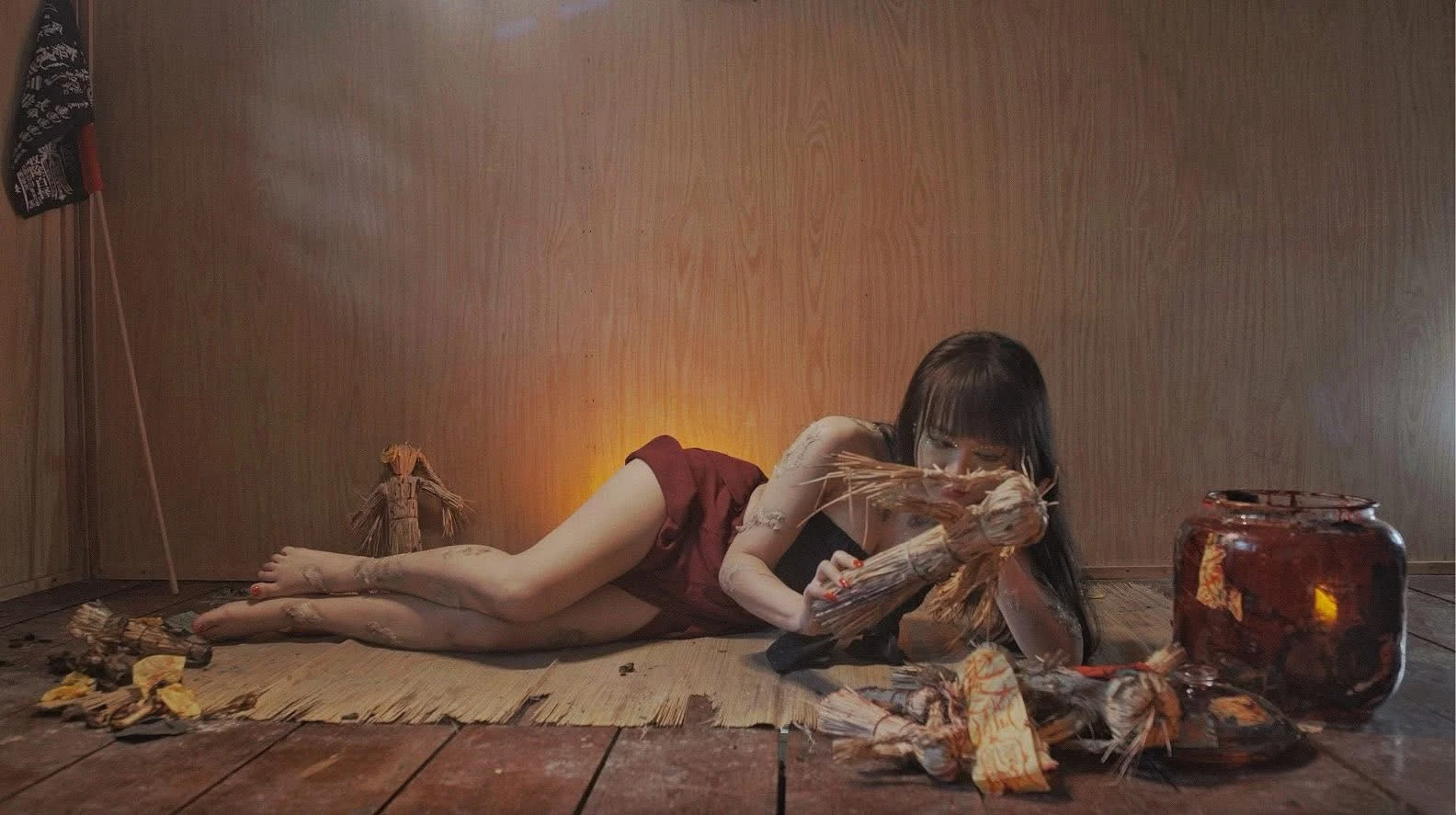
The Wife is a cross-border social impact film that combines social realism, family drama and psychological thriller elements. Through two interconnected female narratives, the film explores domestic violence, coercive control, psychological trauma, the challenges of growing up and the importance of social care.
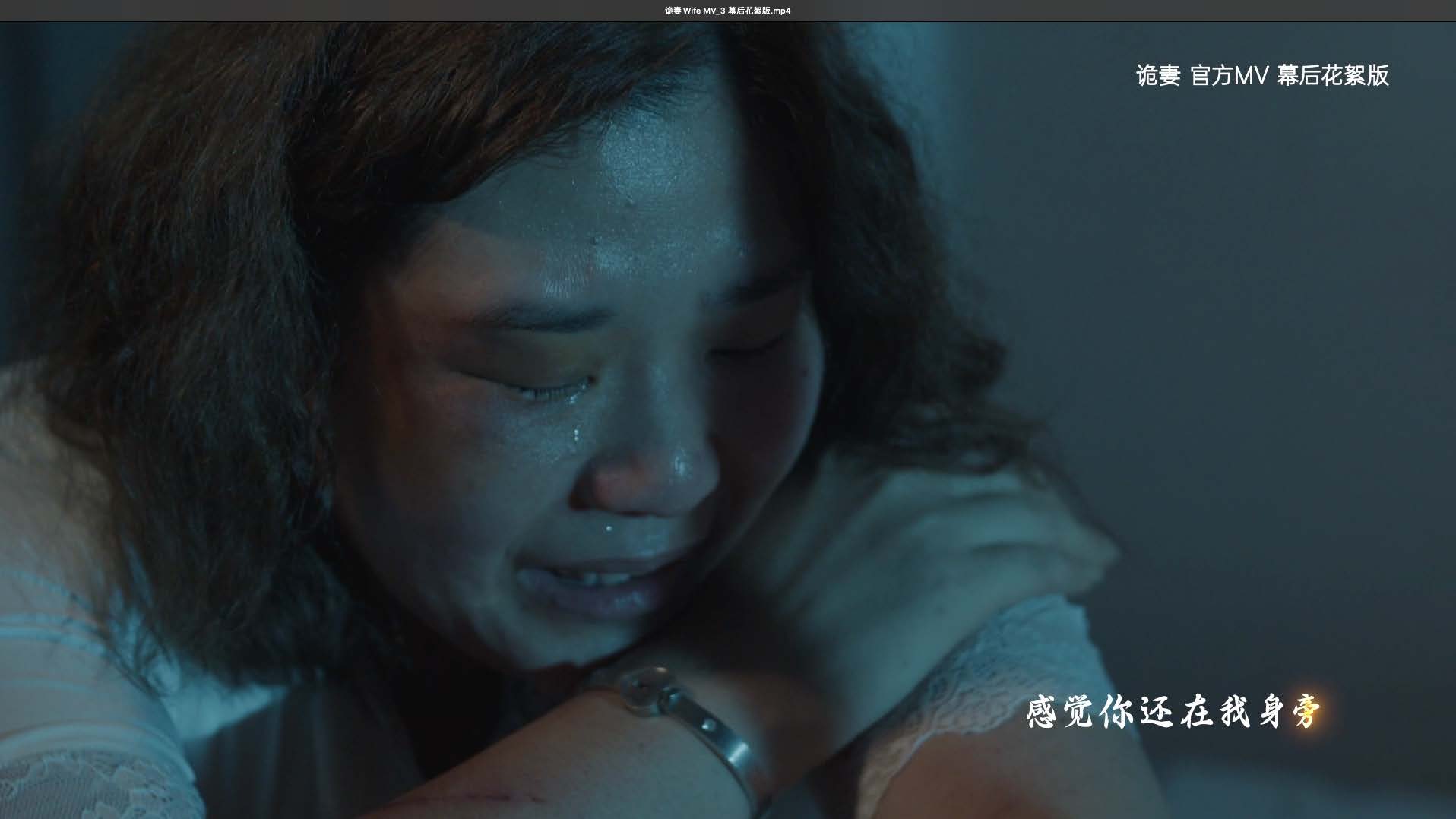
The first storyline follows a young woman who leaves her home to marry and begin a new life in an unfamiliar place. Believing that marriage will bring happiness and belonging, she gradually finds herself trapped in domestic violence, emotional control and isolation. Surrounded by fear and oppression, she must rediscover her dignity, awaken her sense of self and find the strength to break free.
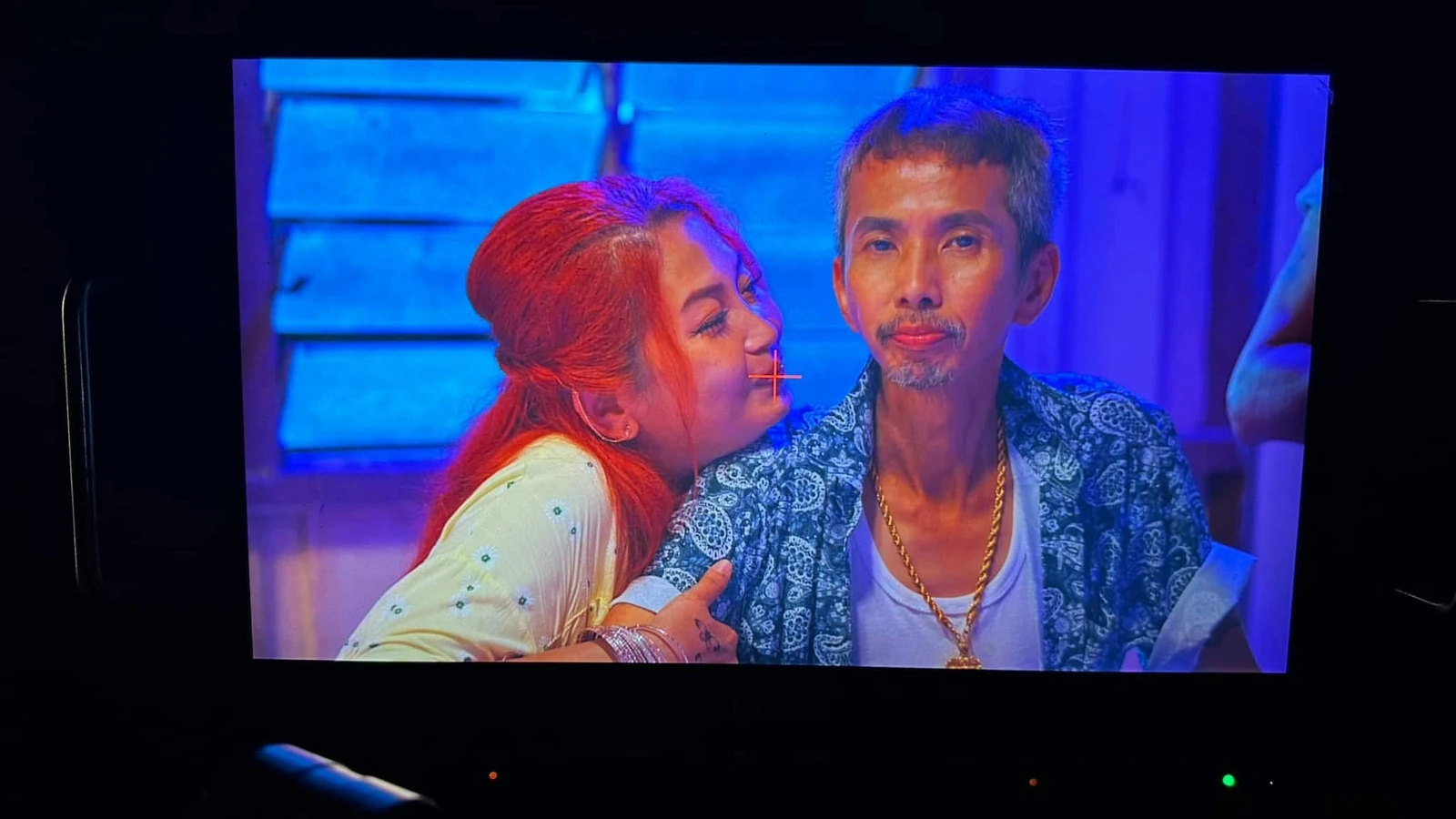
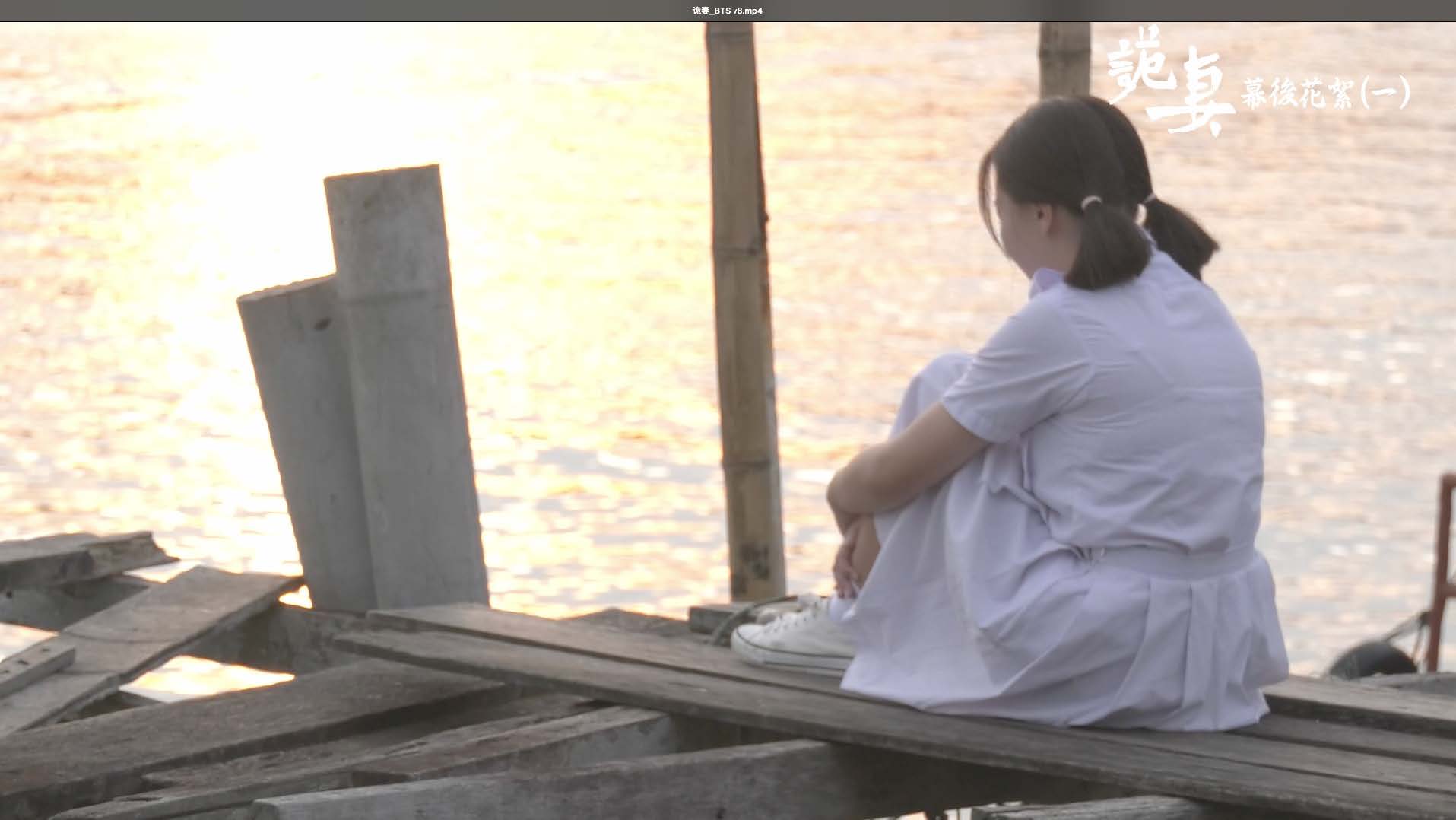
The second storyline centres on Yang Pei Pei, a teenage girl growing up in a single-parent family. Faced with financial pressure, family responsibilities, the death of her mother and the uncertainty of adolescence, she learns to confront grief, hardship and life-altering choices. Through the influence of her community, cultural traditions and the people around her, she gradually begins to discover her own direction and sense of worth.
Although the two women come from different generations, families and social environments, both must confront trauma, silence and difficult choices. Their seemingly separate journeys gradually reflect and intersect with one another, leading to a central question:
When trauma and emotional suppression reach their breaking point, can a person still find the courage to face themselves and choose life again?
The Wife is more than a film. It is a social impact initiative that brings together cultural documentation, public education and community awareness. Through an emotionally grounded story, the film seeks to encourage public dialogue on domestic violence, women’s experiences, mental health, youth development and social support systems.
Psychological Thriller & the Human Condition
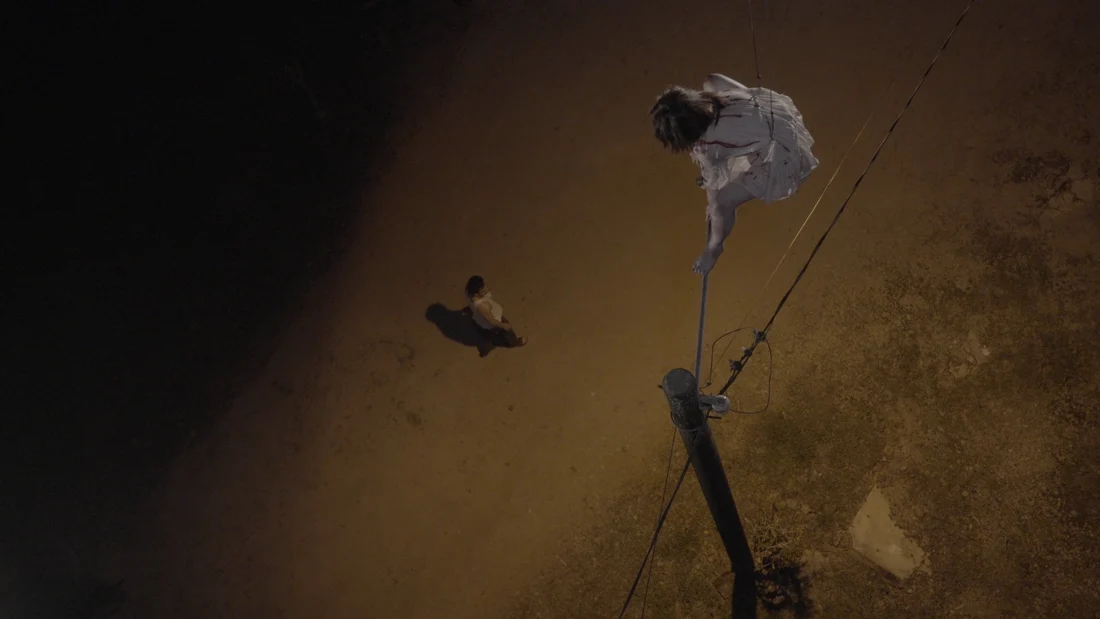
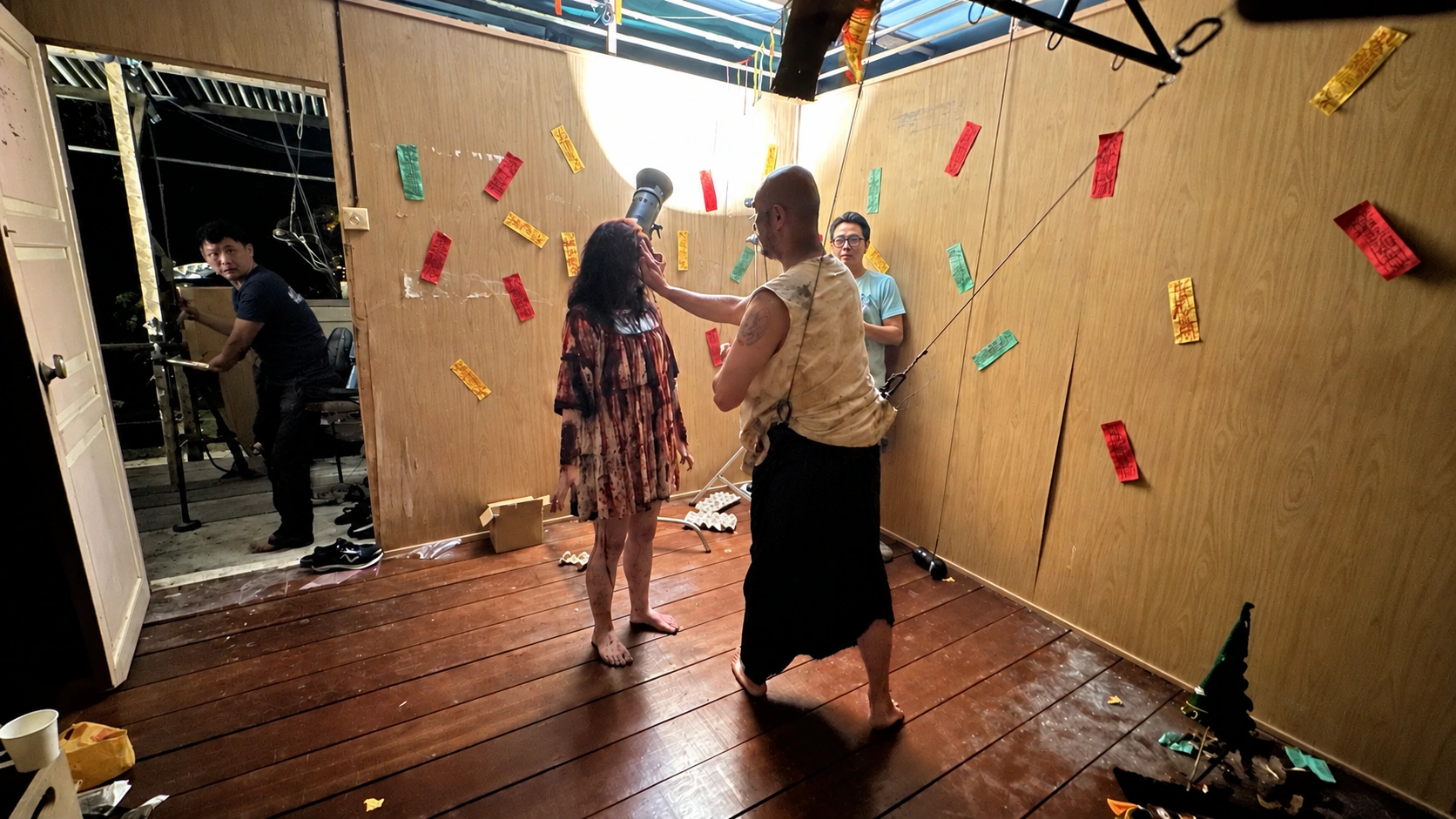
The Wife is not centred on ghosts or supernatural phenomena. It is a reality-based psychological thriller confronting human behaviour, emotional trauma and psychological breakdown.
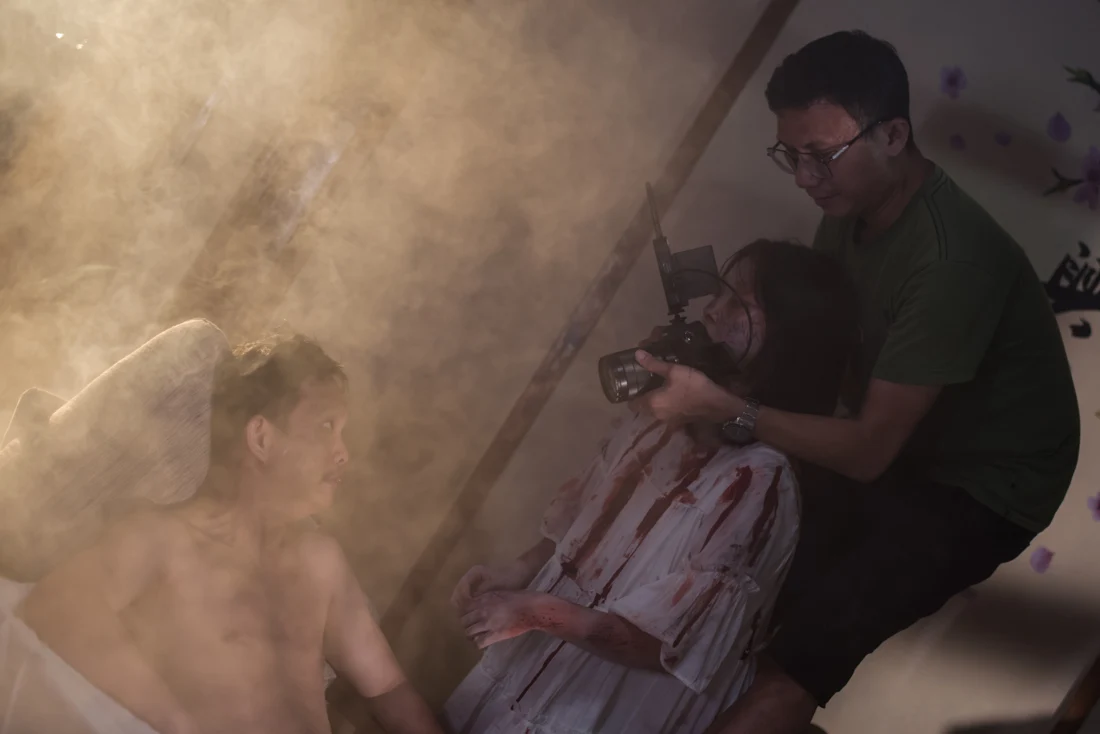
The film deliberately moves between external reality and the characters’ inner worlds, using behaviour, memory, fear and emotional instability to draw audiences into their deteriorating psychological states.
Its deepest source of fear does not come solely from an external threat. It emerges from accumulated violence, guilt, repression, control and avoidance. When individuals are unable to confront their actions, memories and consequences, fear begins to take shape from within.
The film ultimately raises a direct and unsettling question:
Could human nature itself be the most frightening presence of all?
Key Themes
- Domestic violence and coercive control
- Women’s dignity and self-awakening
- Psychological trauma and emotional repression
- Youth development and life choices
- The boundary between love, possession and control
- Family, community and social support
- Personal responsibility and social care
Social Impact & Public Education
The Wife examines the cycle of silence surrounding domestic violence, as well as the fear, dependency, control and isolation that can prevent victims from seeking help.
Rather than reducing its characters to simple labels of victim or perpetrator, the film seeks to portray how trauma affects individuals, families and future generations. It also asks whether society is prepared to recognise, understand and respond to such experiences before they reach a critical point.
As a social impact film initiative, the project aims to provide a platform for public education and constructive dialogue on:
- Domestic violence and its long-term psychological effects
- Women’s dignity and autonomy within intimate relationships
- The support young people need when facing grief, pressure and emotional distress
- The shared responsibilities of families, schools, communities and social institutions
- The importance of empathy, help-seeking and accessible support systems
Singapore Cityscapes & a Chinese Fishing Village
Preserving Cultural Memory and Place
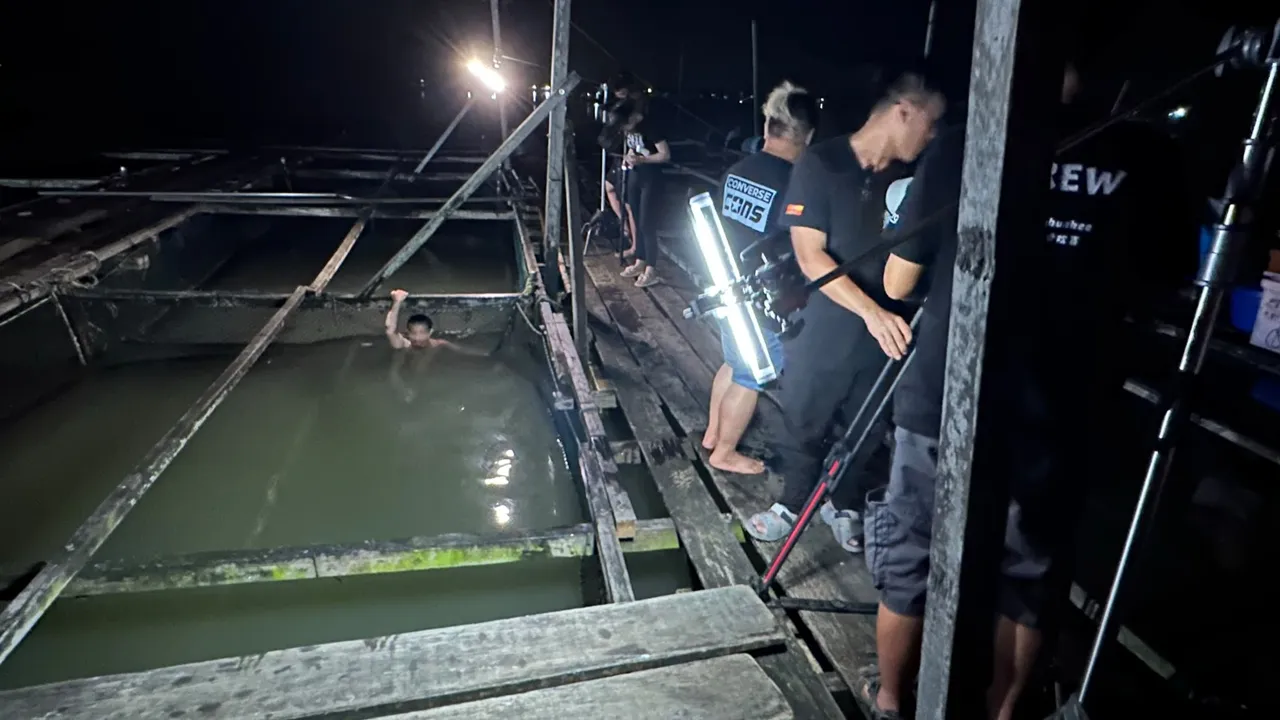
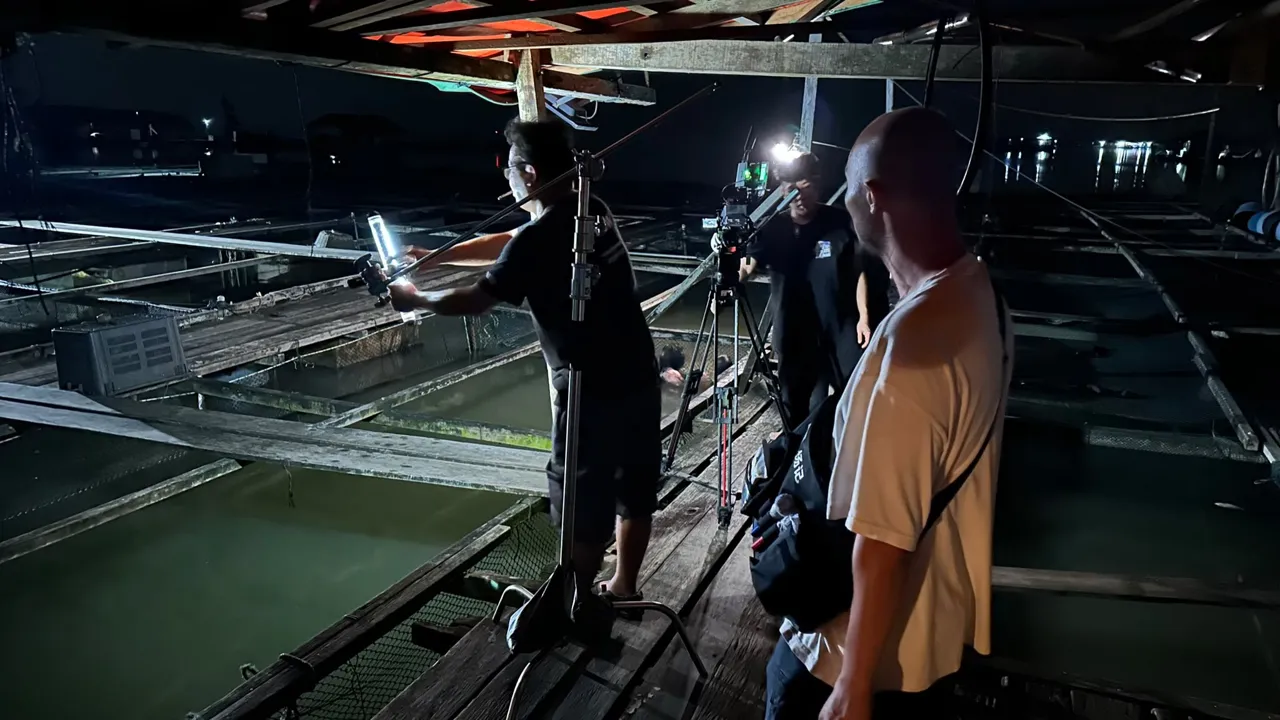
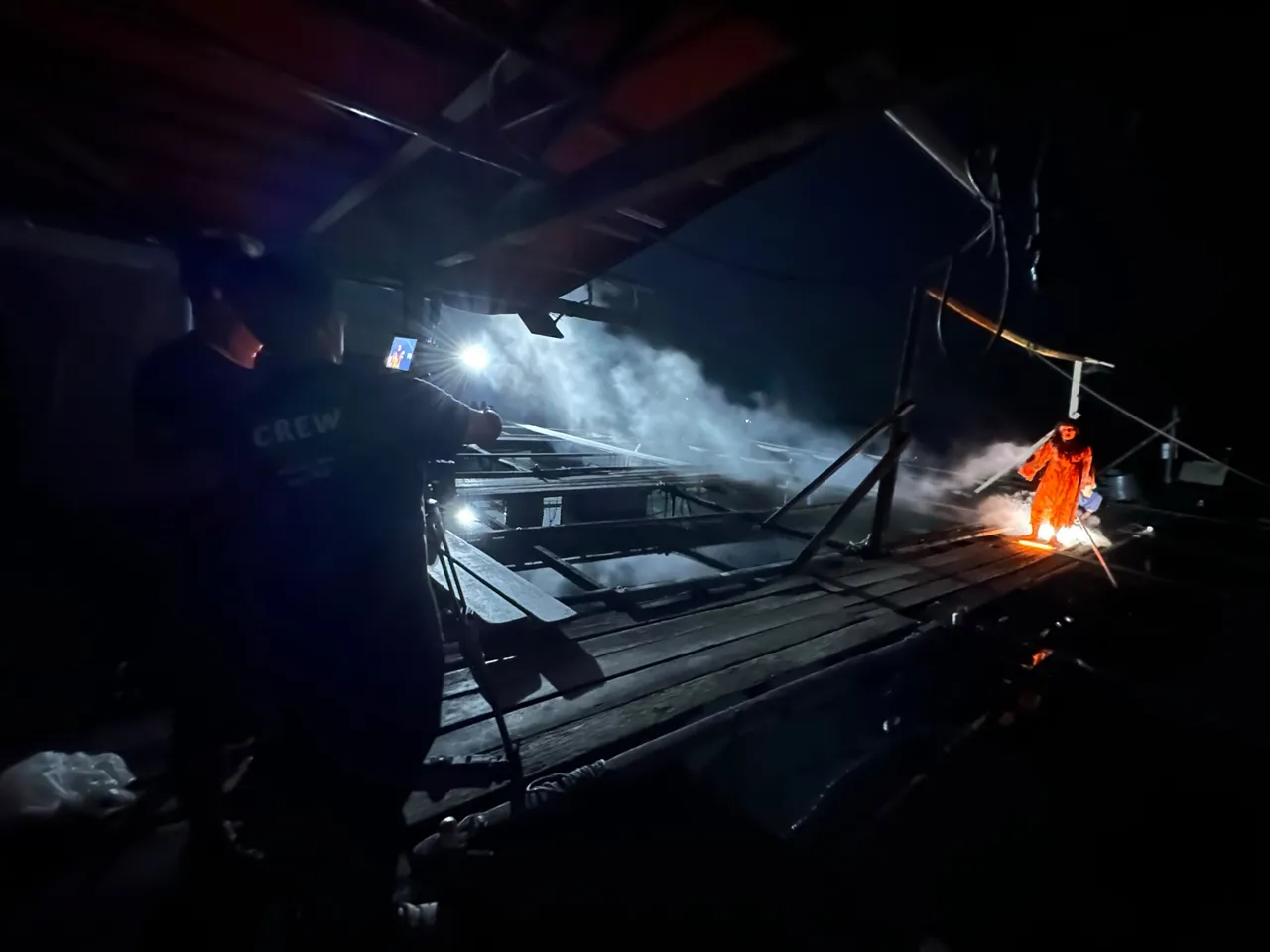
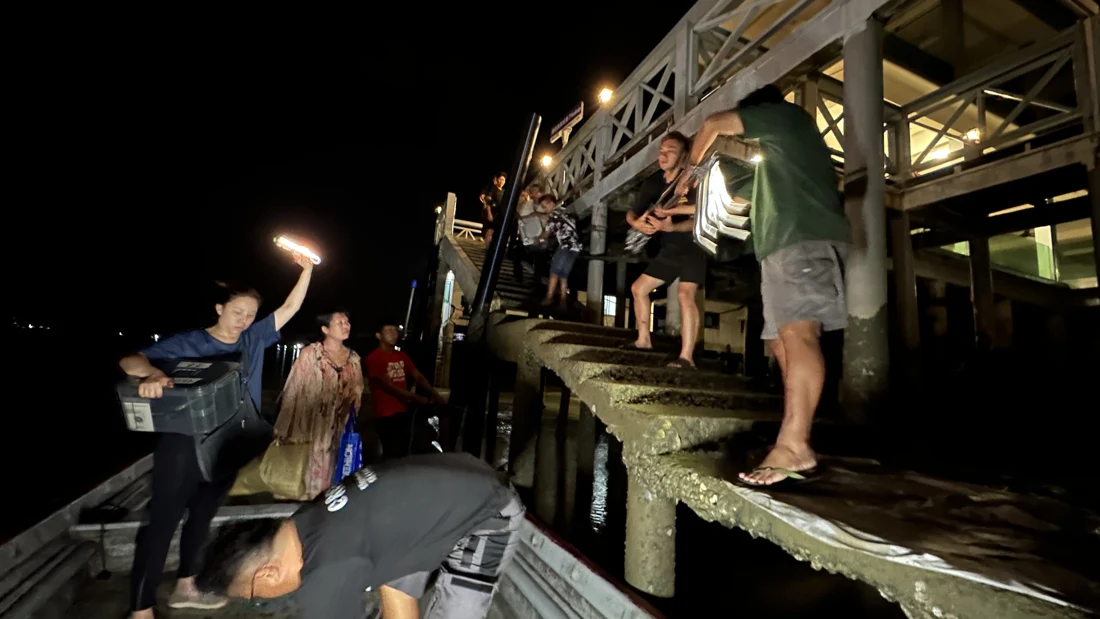
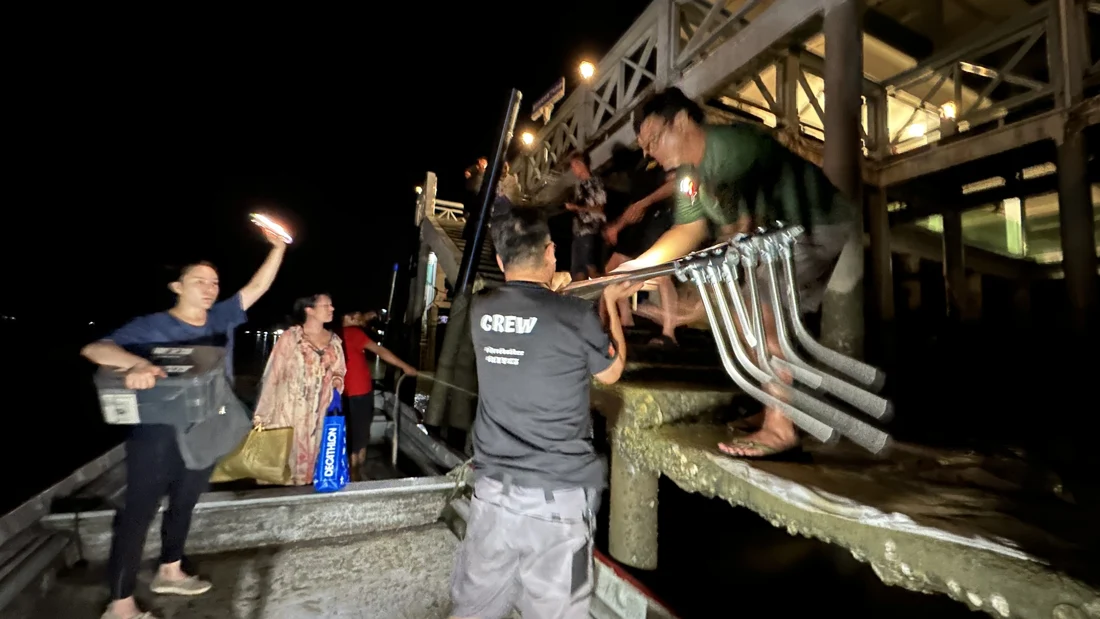
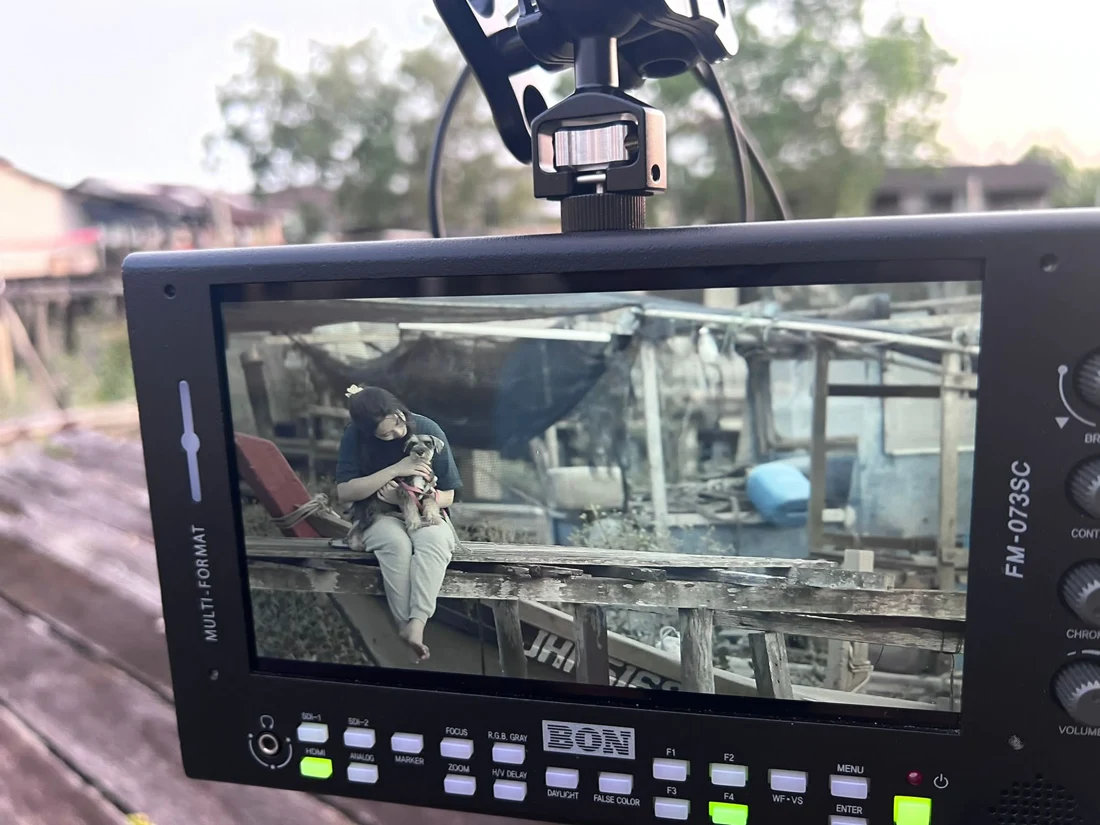
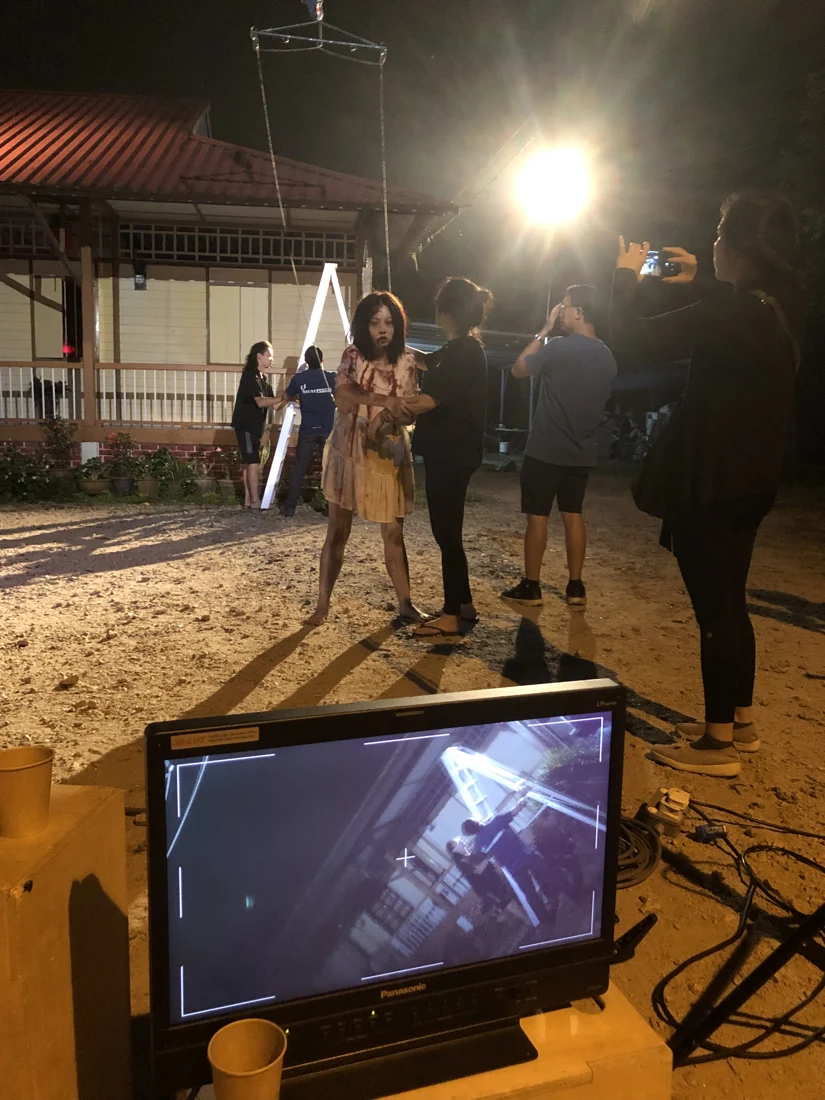
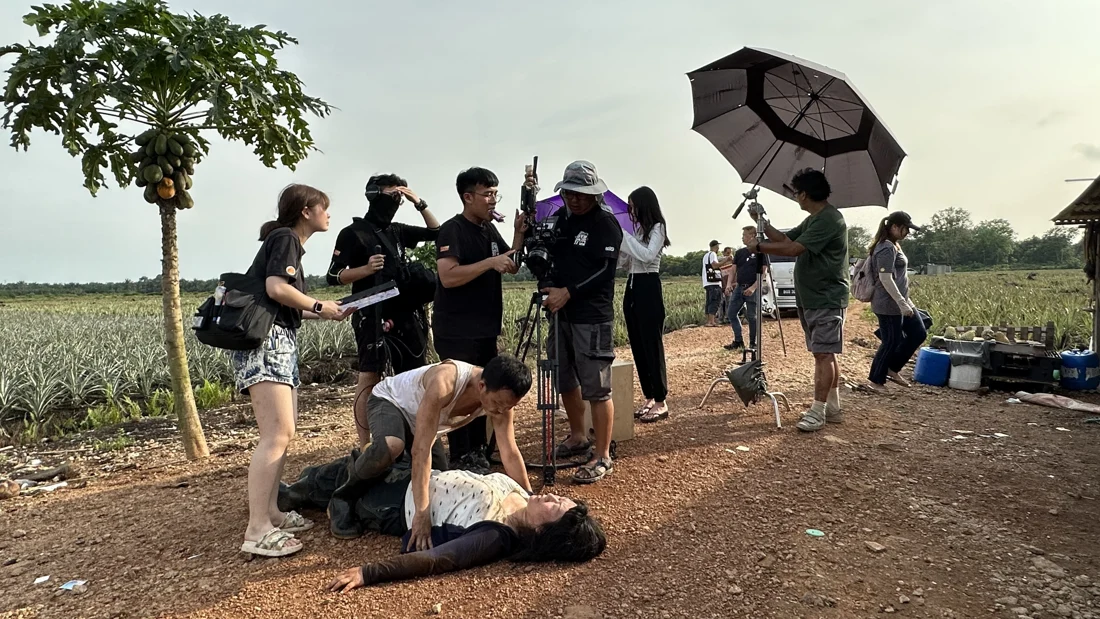
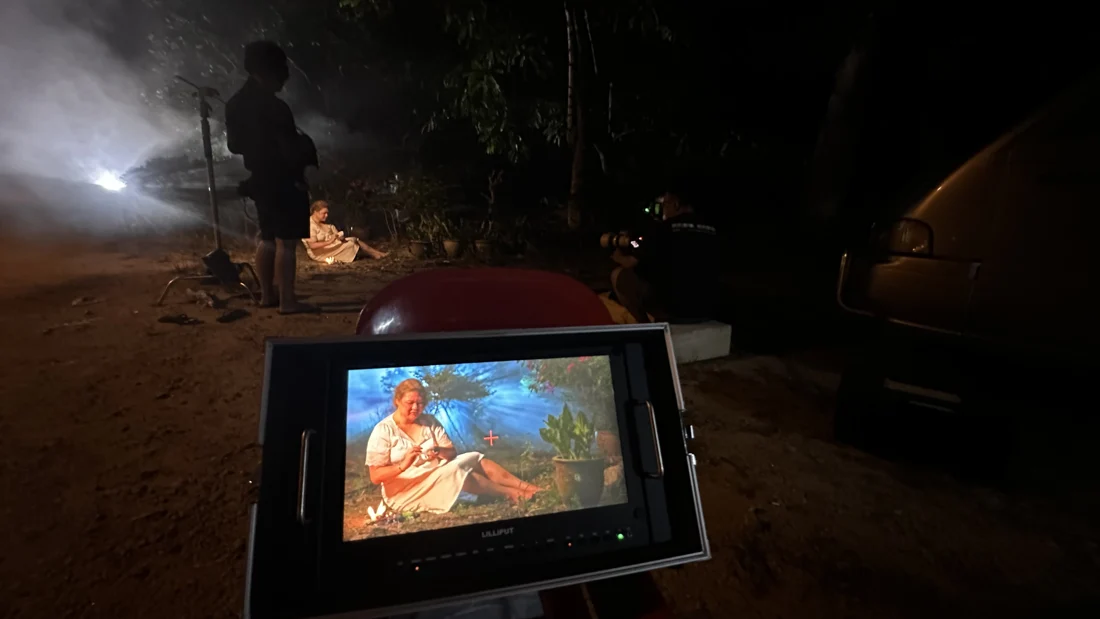
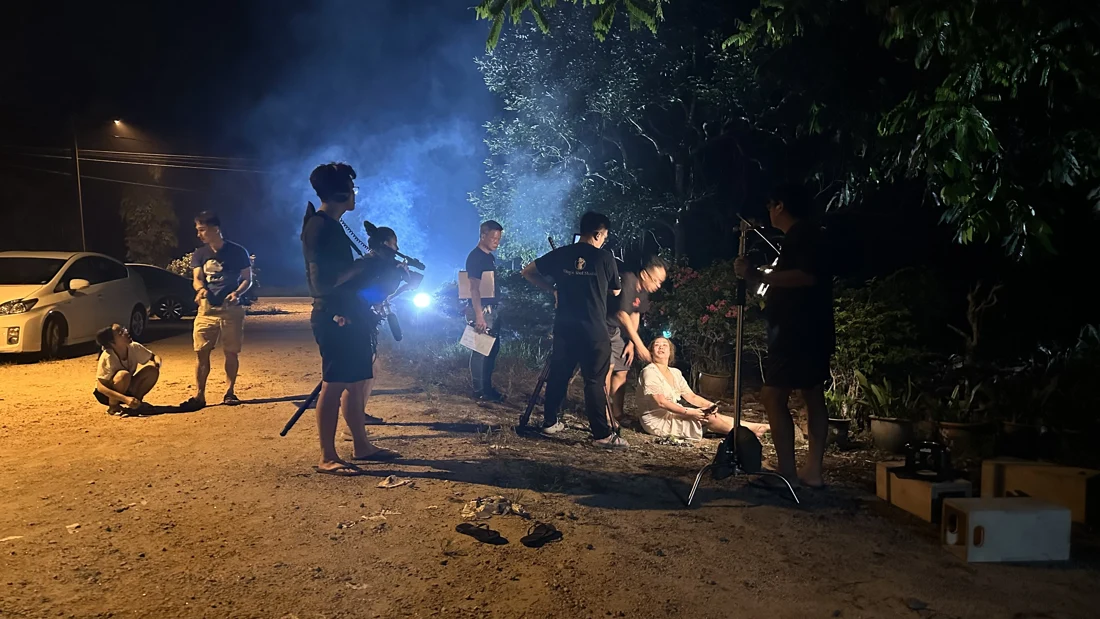
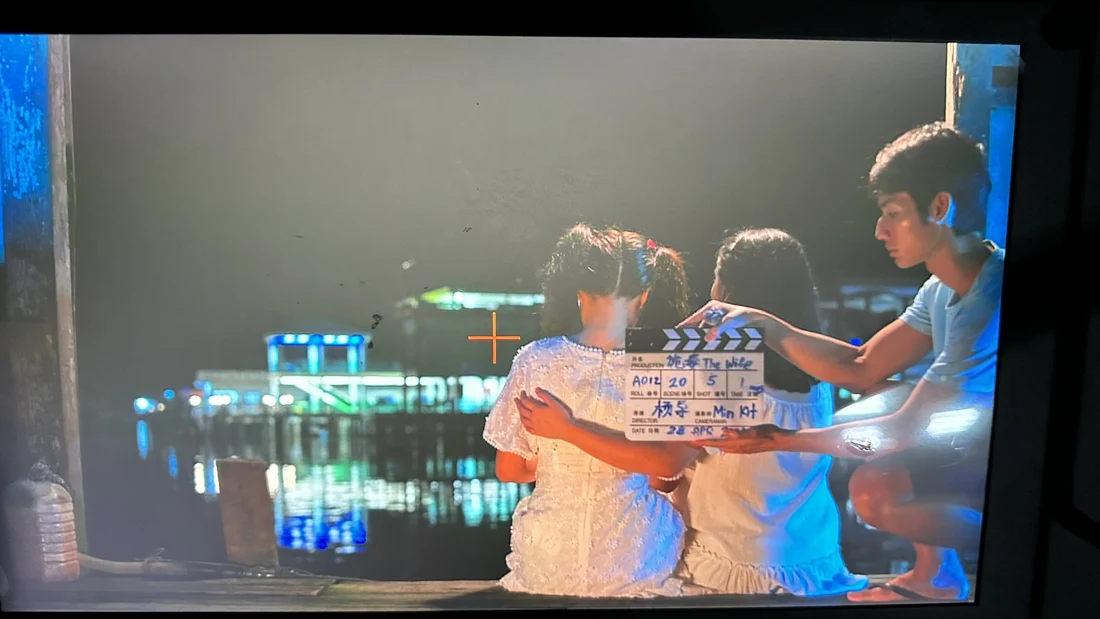
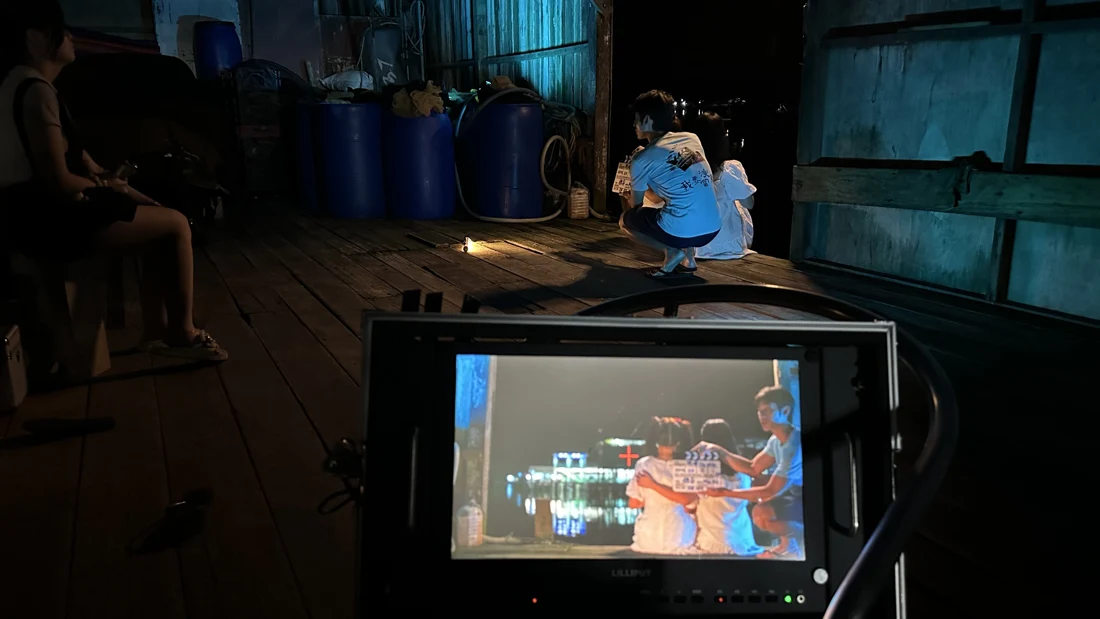
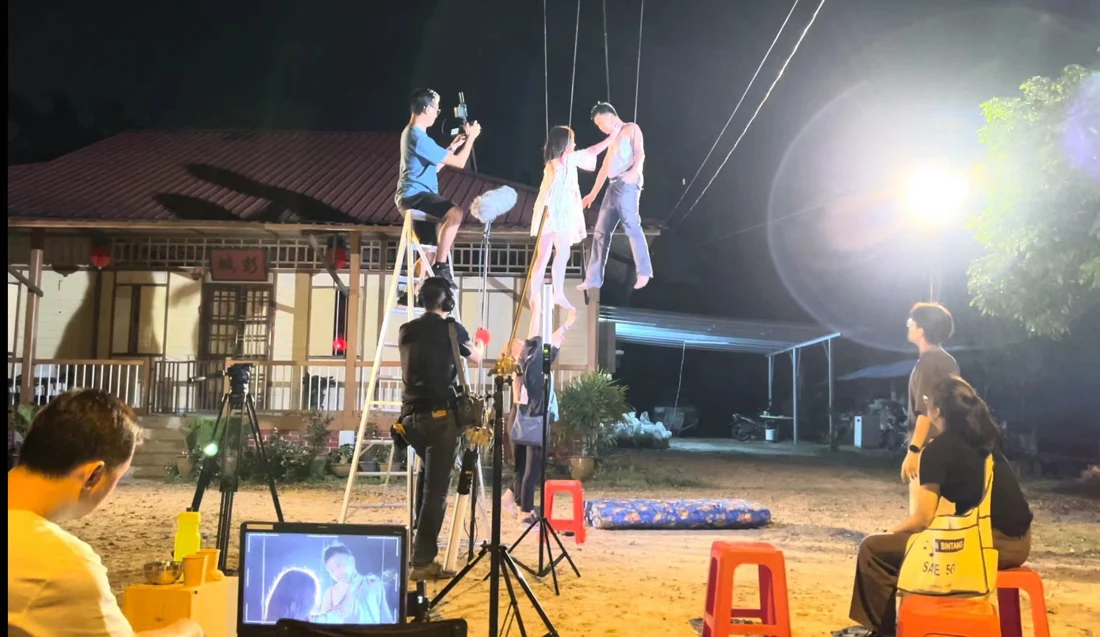
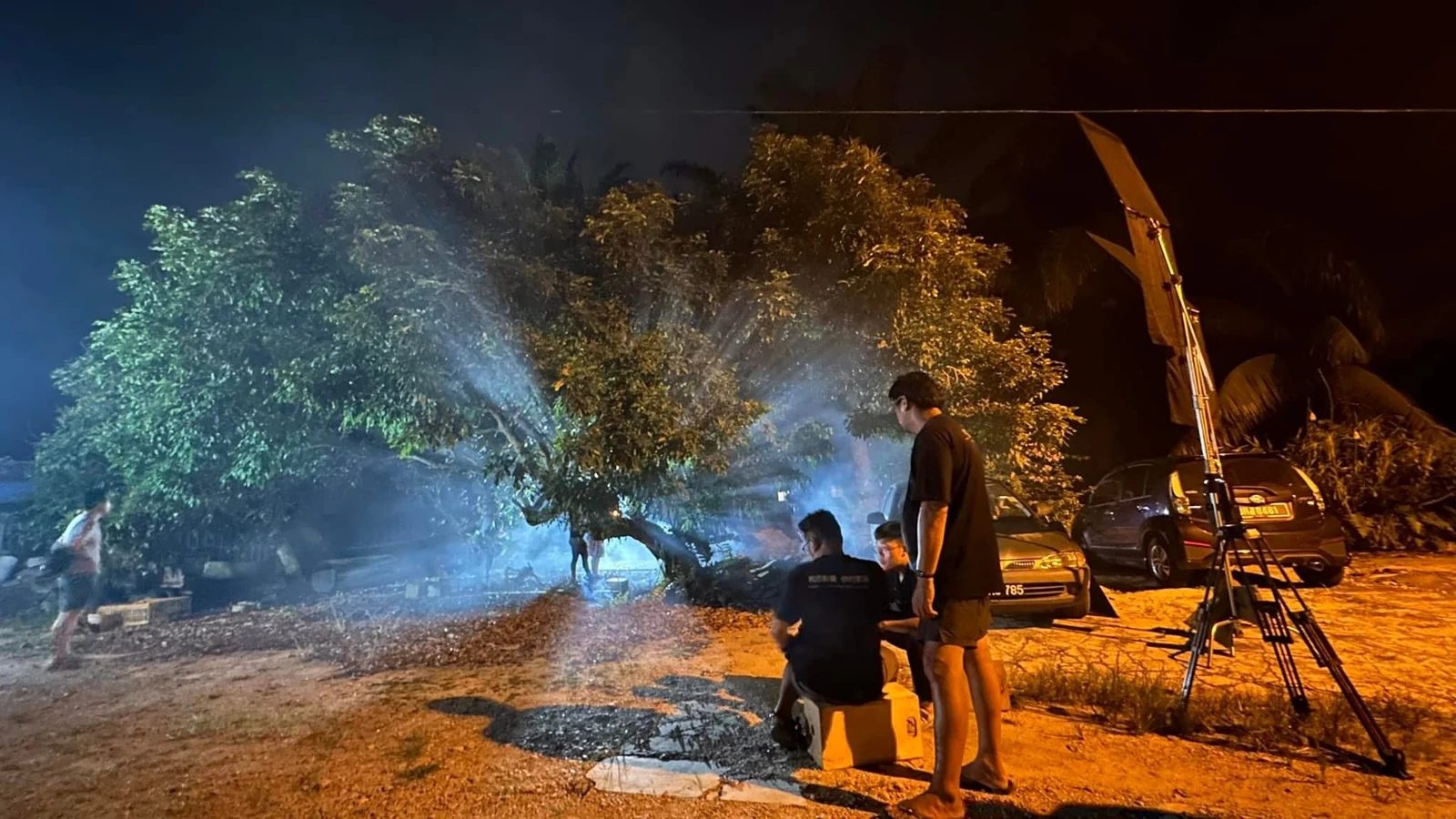
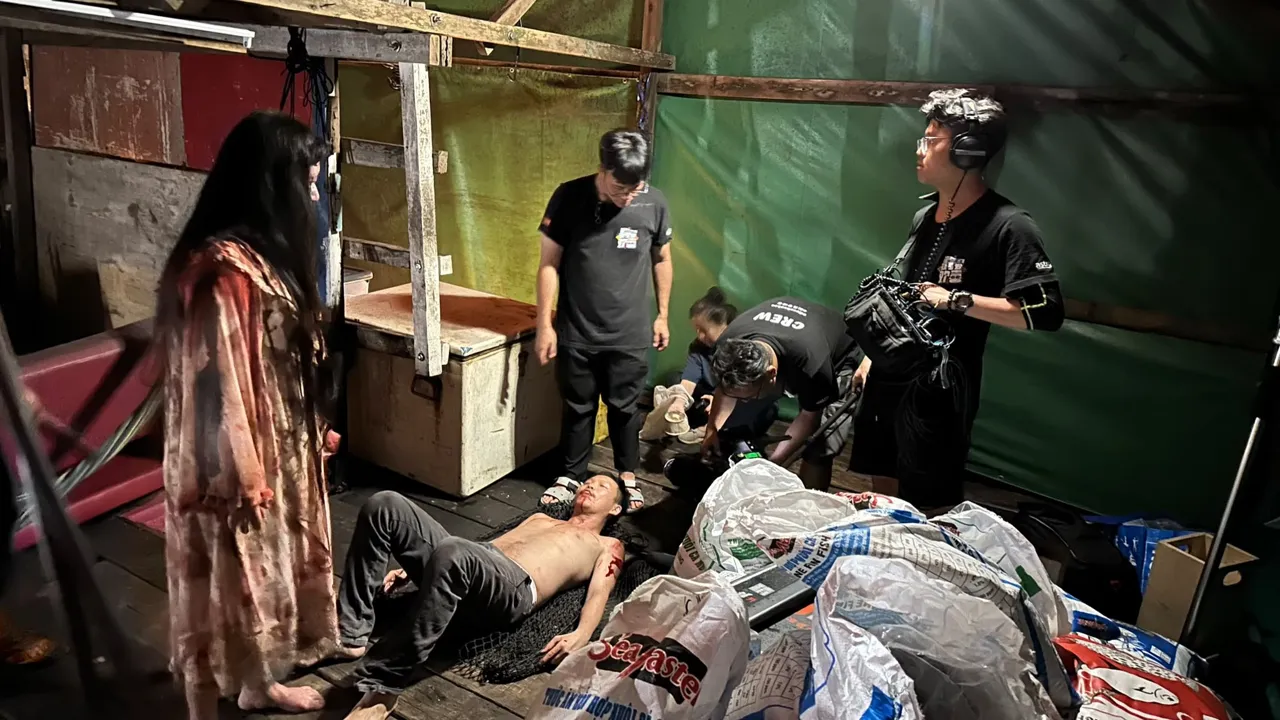
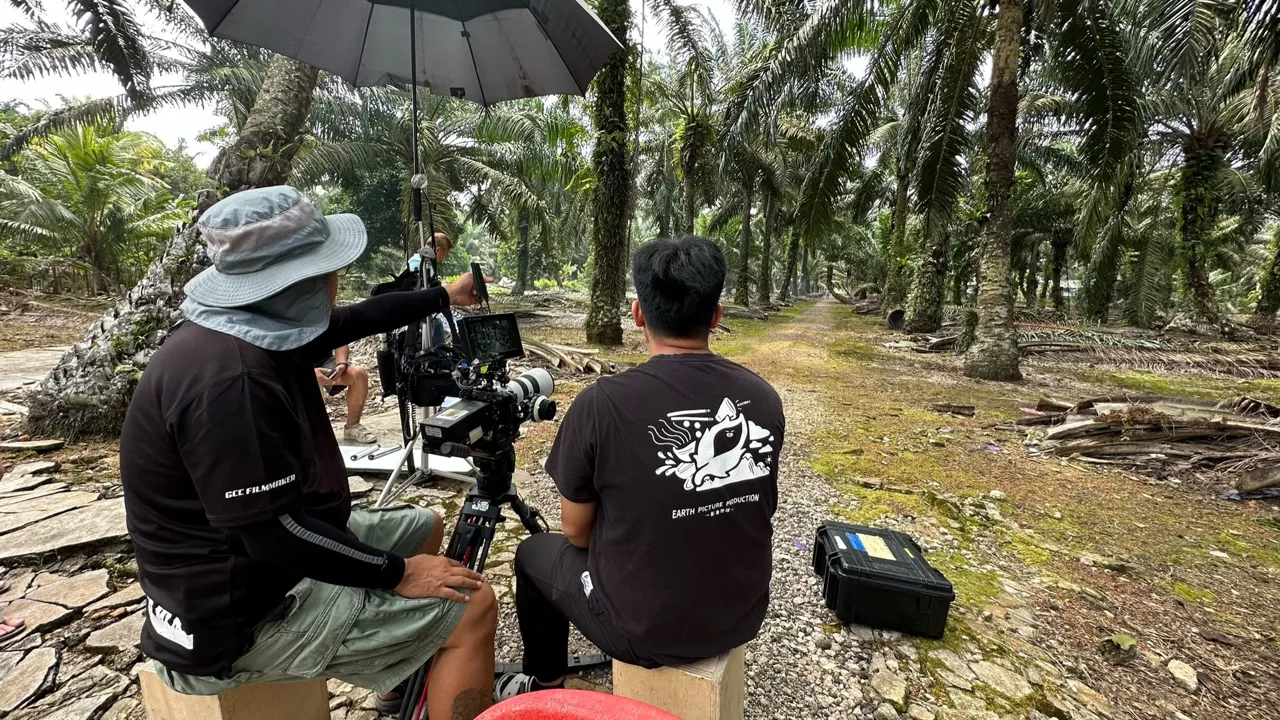
Parts of the film are set within Singapore’s urban landscape, reflecting the rhythms and social realities of contemporary city life. Other sequences were filmed in Kukup, a fishing village in Johor, Malaysia, where traditional wooden houses, coastal landscapes and community life preserve the distinctive character of an overseas Chinese fishing settlement.
These houses, streets and everyday environments carry the memories of generations. Yet many are gradually disappearing as a result of urban development, population movement and social change.
Within the film, these locations are more than visual settings. They become a record of cultural loss, community memory and the passage of time. Through cinema, the production seeks to preserve spaces and cultural traces that may no longer exist one or two generations from now.
Language & Cultural Identity
Multilingual Realities and Cultural Continuity
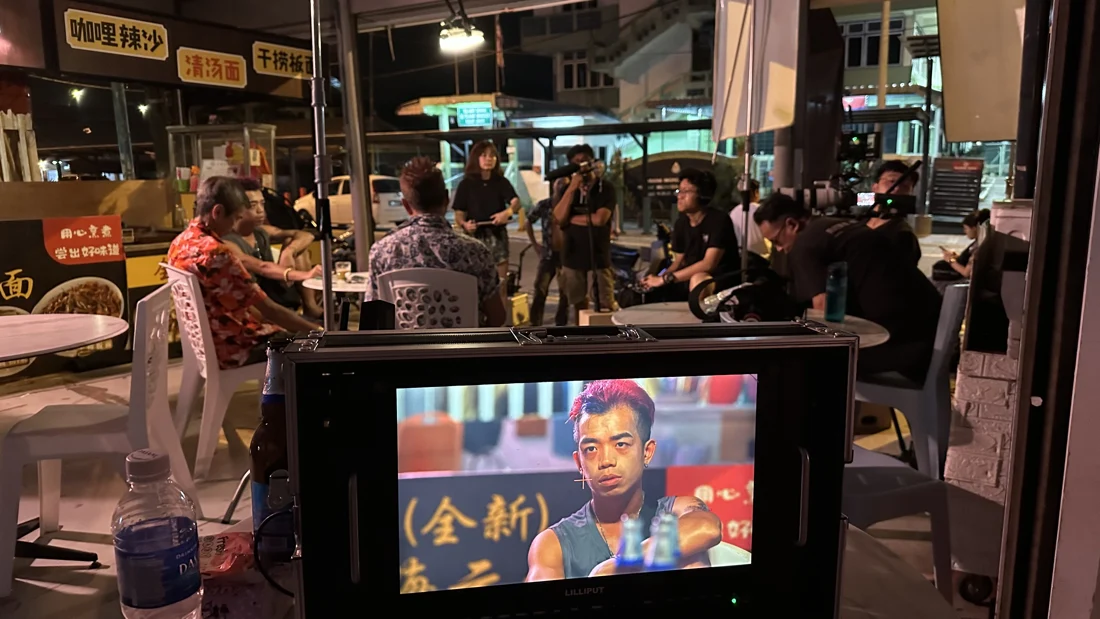
The Singapore sequences reflect the natural use of English, Mandarin, Chinese dialects and Malay, capturing the multilingual structure of local society and everyday communication.
In the Kukup fishing village sequences, the film retains the speech patterns, linguistic rhythms and everyday expressions of a traditional Chinese community, allowing language to become part of each character’s identity and cultural memory.
The use of language across different locations and generations reveals not only regional differences, but also how culture is preserved, transformed and redefined within changing social environments.
In The Wife, language is more than a means of communication. It is an essential part of the film’s period atmosphere, regional identity and emotional authenticity.
Director’s Statement
The idea behind The Wife did not begin with “ghosts.” It began with people.
In reality, what frightens us most is often not an unseen presence, but the harm that has been ignored, suppressed or even normalised. Domestic violence, emotional control, silence and avoidance are rarely isolated events. They are often the result of damage that accumulates gradually within human relationships.
Through this film, I wanted to portray two different yet interconnected states of existence:
- A woman trapped within violence and coercive control;
- A teenage girl who, overwhelmed by grief and despair, must decide whether she can continue moving forward.
Although their journeys initially appear separate, they ultimately point towards the same question:
What happens when a person can no longer confront reality—or themselves?
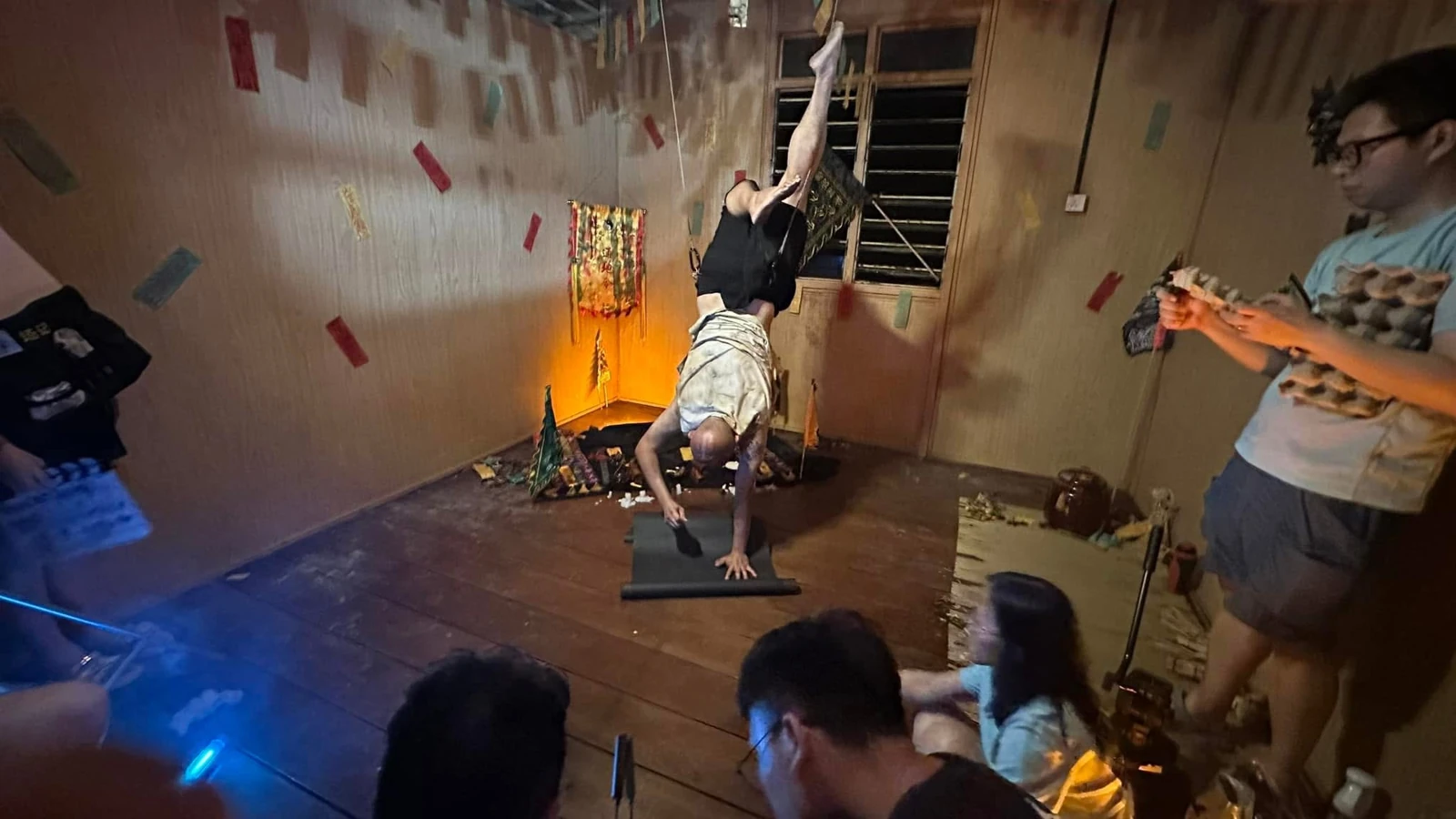
Visually, The Wife moves between reality and the psychological world. It does not attempt to provide a supernatural explanation. Instead, it draws the audience into the characters’ inner states. The fear within the film does not come from an external “ghost,” but from emotions, memories and consequences that cannot be escaped.
To me, this is not a conventional horror story. It is an exploration of trauma, choice and the will to survive:
When confronted with the deepest pain of their life, can a person still find the courage to face themselves and continue living?
—Director Yeo Sze Liang
Creative Team
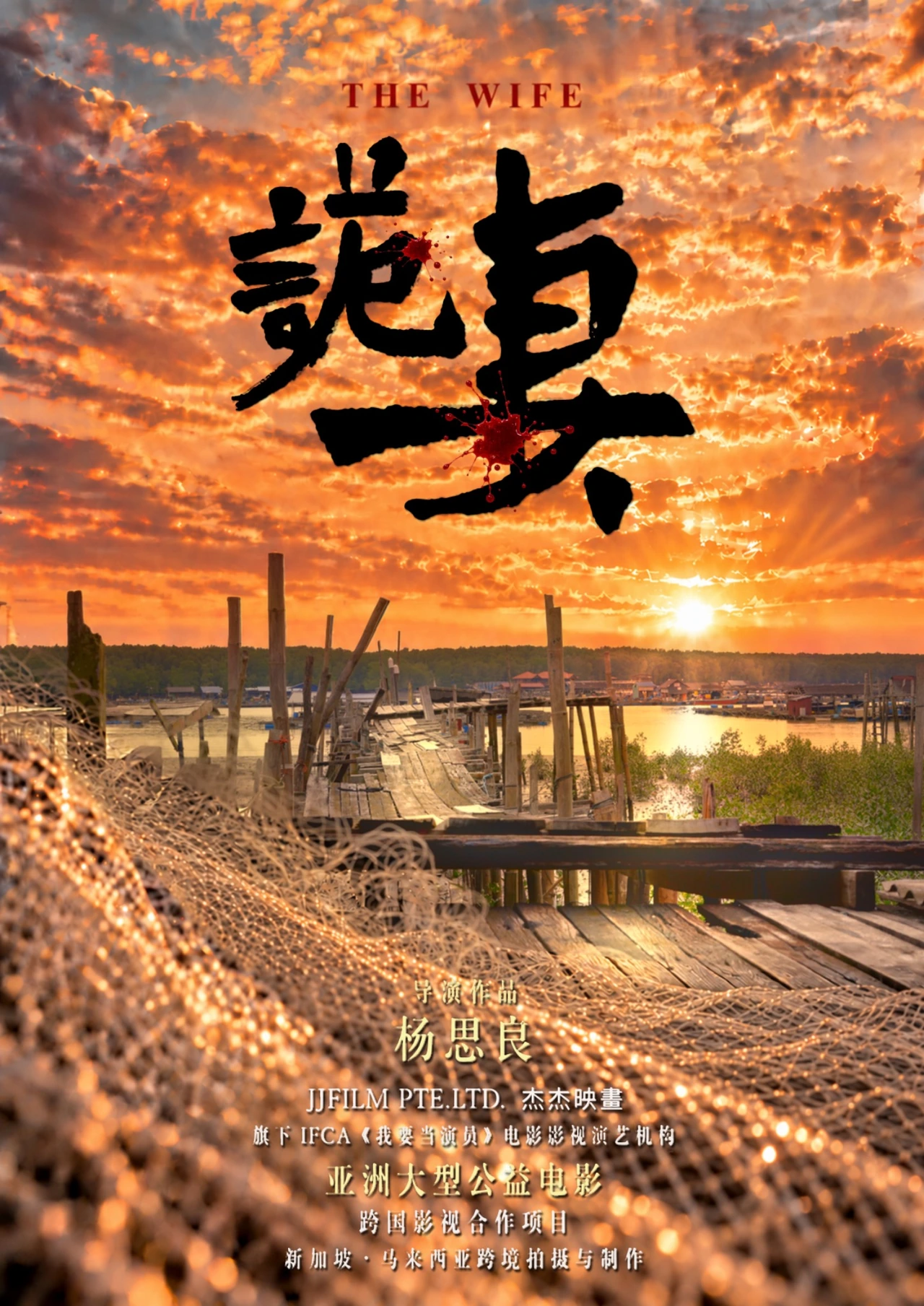
- Director: Yeo Sze Liang
- Supervising Producer: JJFILM PTE. LTD.
- Production Company: JJFILM PTE. LTD.
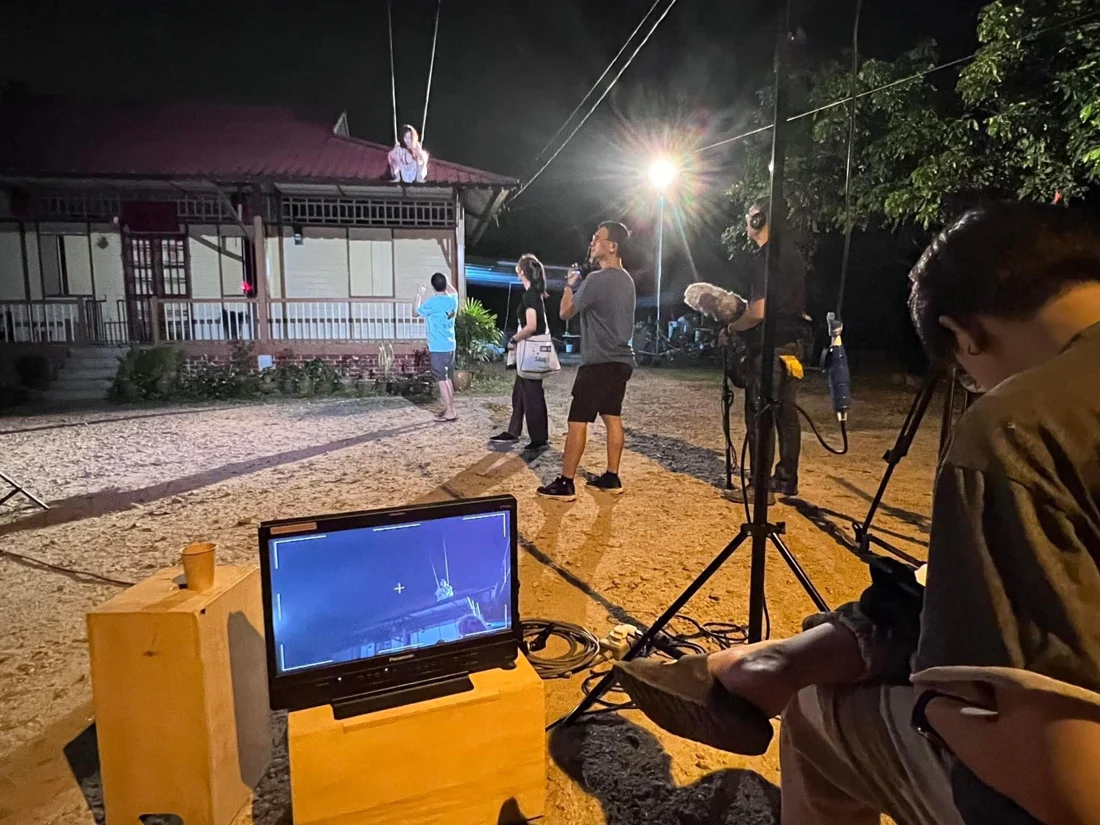
- Co-Production: Singapore–Malaysia cross-border production team
- Actor Training and Talent Development: IFCA(Institute of Film & Cinematic Arts)
Film Information
- Title: The Wife
Genre: Social Drama/Psychological Thriller/Family Drama
Basis: Inspired by True Events
Languages: Mandarin, English, Chinese dialects and Malay
- Estimated Running Time: Approximately 90 minutes
- Countries/Regions: Singapore and Malaysia
- Filming Locations: Singapore and Johor, Malaysia, including Kukup fishing village
- Project Positioning: Cross-border social impact film and socially engaged screen project