05 / CULTURE & COMMUNITY
Culture & Community
JJFILM PTE. LTD. · IFCAPartnerships & Community Impact
Partnerships & Community Impact
Film Education & Socio-Cultural Development
IFCA is committed to connecting film and drama education with broader social and cultural development.
Founder and filmmaker Director Yeo Sze Liang has always believed:
“Drama is the best form of education.”
IFCA believes that film and drama are not only forms of artistic creation, but also meaningful educational tools for developing character, communication skills, teamwork, social responsibility and cultural understanding.
Through professional screen training, character study, creative practice and discussions of real-world issues, IFCA helps children, young people and members of the wider community develop deeper human understanding, confidence in expression and greater social awareness.
Educational & Cultural Partners
Over the years, IFCA has engaged with academic institutions, universities, schools, community organisations and cultural education partners to advance the development and practical application of screen arts education.
Partner and participating organisations include:
Southern University College
New Era University College
Schools and educational institutions
Community and social service organisations
Arts and cultural organisations
These partnerships extend screen education beyond the classroom and into schools, communities and public cultural spaces, enabling more people to experience the arts, understand society and express their perspectives through film and drama.
Featured School Programme
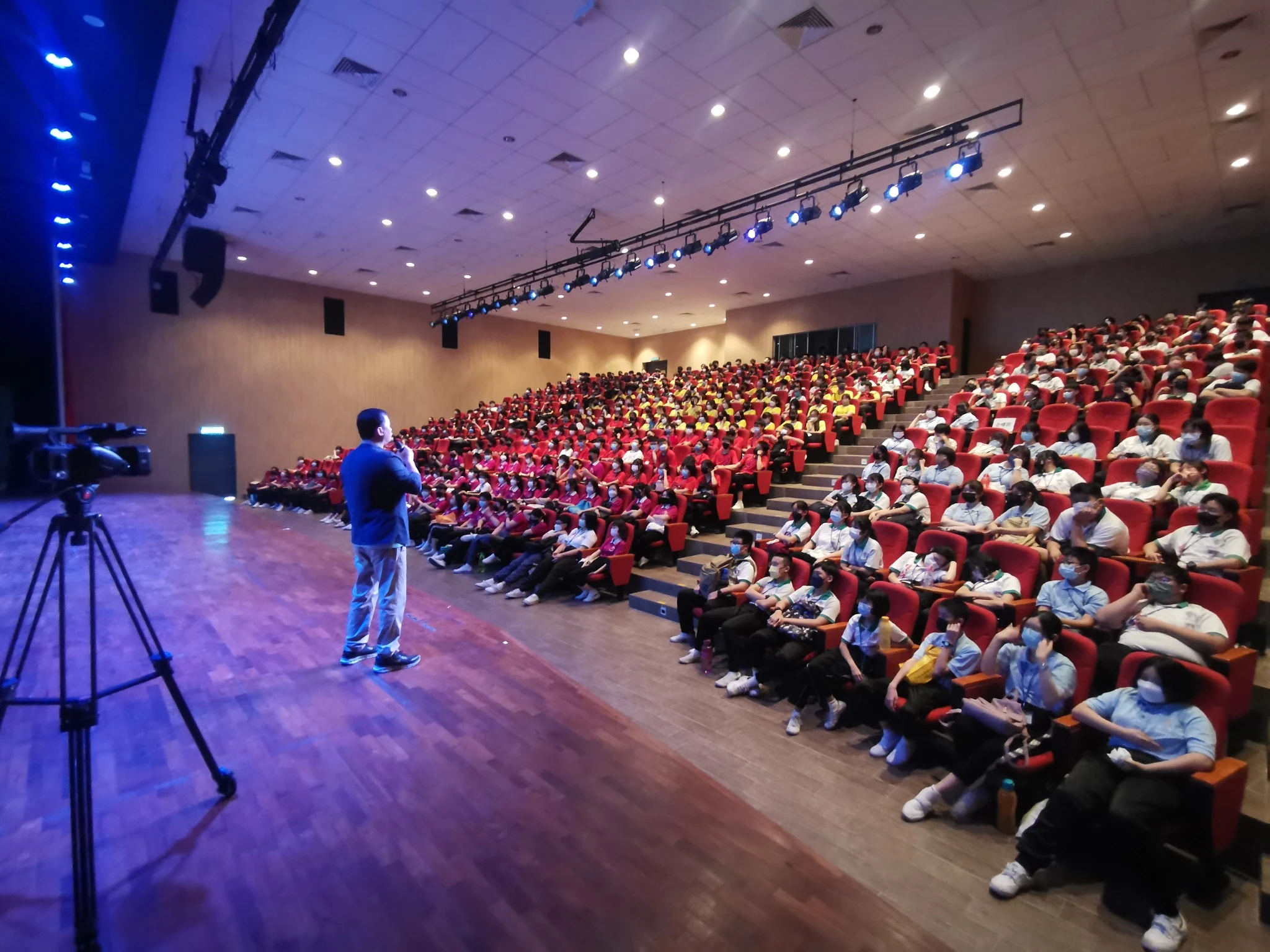
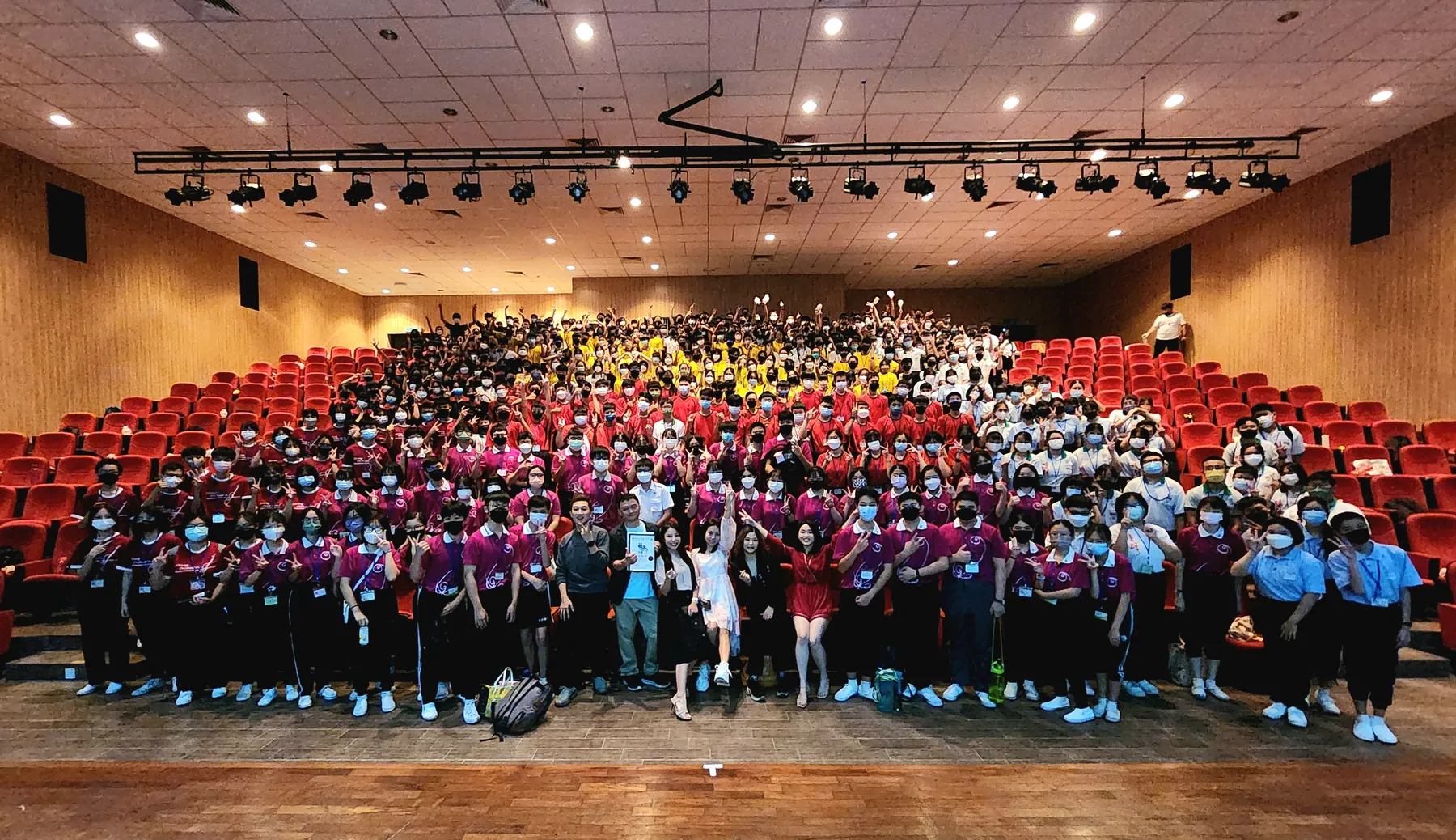
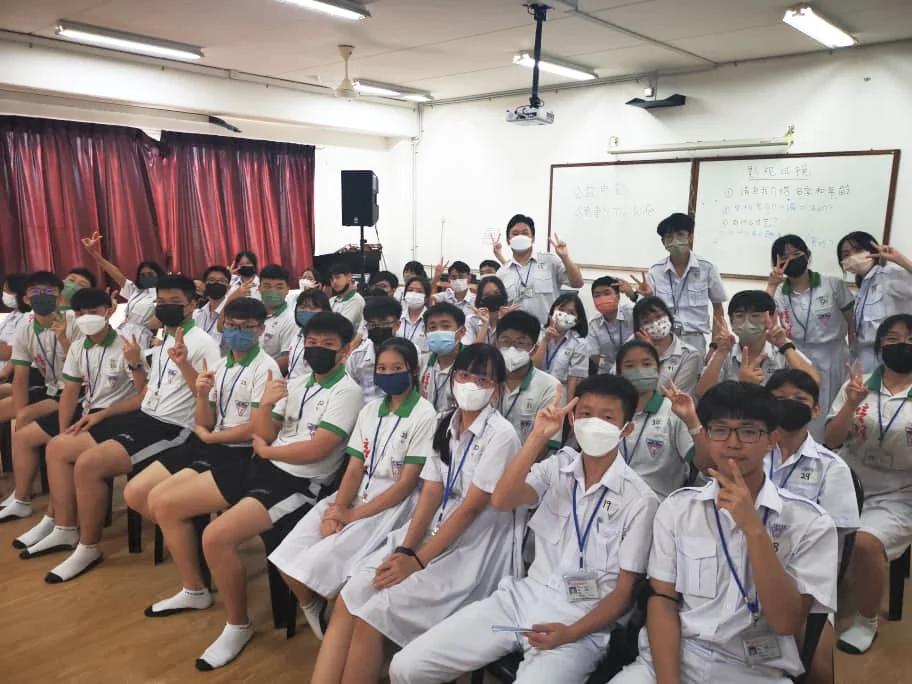
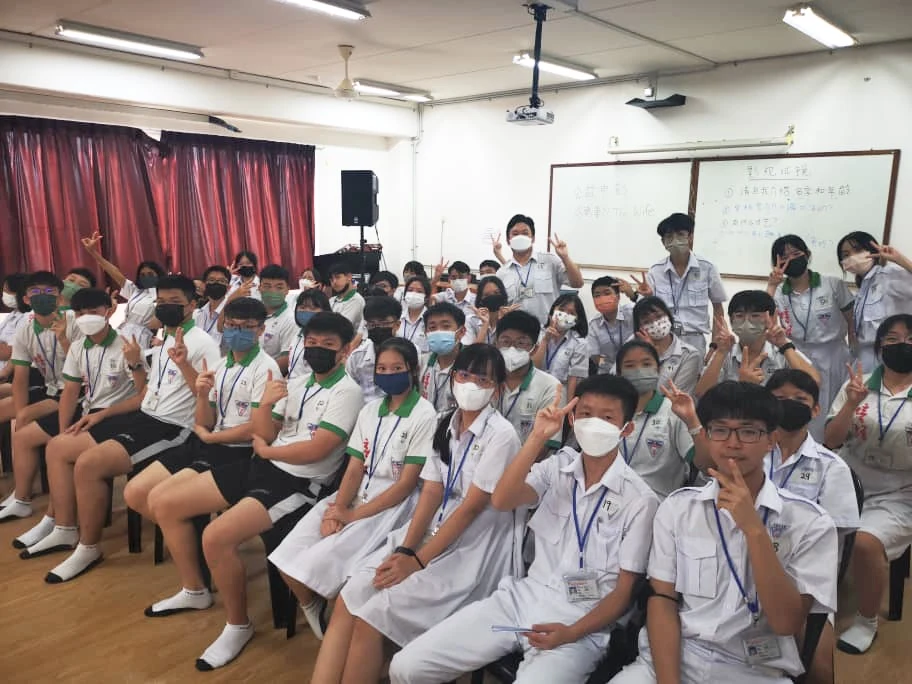
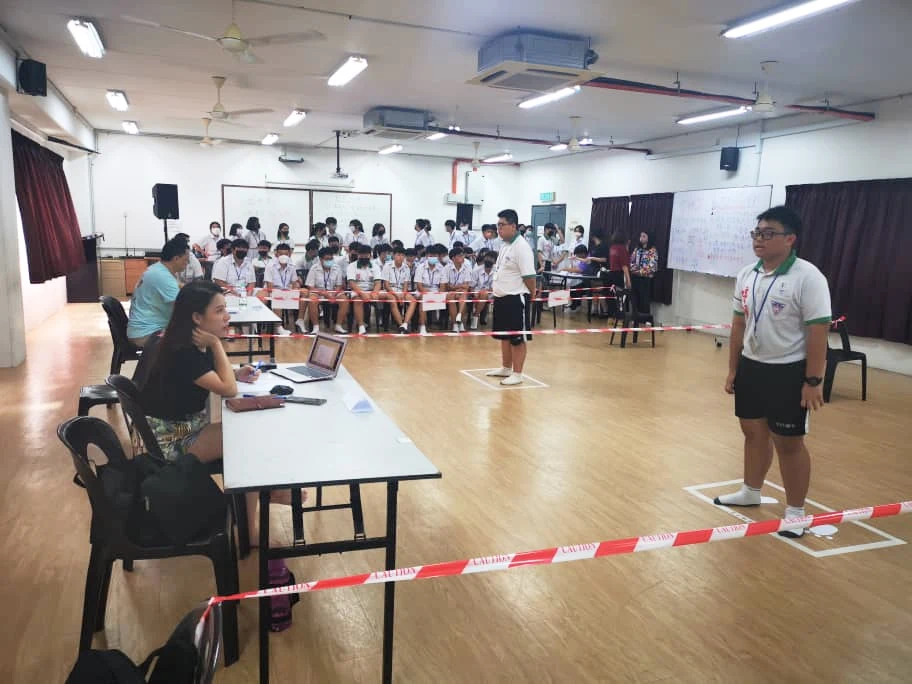
On 29 November 2022, the IFCA team was invited to participate in a centenary celebration programme at Pei Chun High School in Pontian, Johor, Malaysia.
More than 400 students took part in IFCA’s social impact film presentation and screen arts sharing session. The directing team and cast engaged with students and teachers through discussions on filmmaking, drama, youth development, arts education, cultural expression and social values.
The programme reflected IFCA’s educational approach of connecting screen training, creative practice and school-based cultural engagement.
Educational Screenings & Public Dialogue
IFCA promotes film screenings, screen arts sharing sessions, creative exchanges and public talks in schools, higher education institutions and community spaces.
These programmes encourage meaningful discussion on cultural heritage, social issues, human values, youth development and visual storytelling. Participants are encouraged to understand society, engage with contemporary issues and develop independent thinking through the screen arts.
Social Advocacy & Community Collaboration
IFCA works with social service agencies, educational institutions, community organisations and non-profit groups to promote greater public awareness and understanding of important social issues.
Areas of engagement include:
Family relationships and well-being
Family violence and social care
Mental health and emotional education
Youth development and character building
Cultural heritage and community identity
Inclusion and support for vulnerable communities
IFCA places strong emphasis on authenticity, human dignity and cultural sensitivity. Through responsible artistic expression, it seeks to encourage more empathetic and constructive public dialogue.
Community Cultural Participation
IFCA continues to develop community-based arts and cultural initiatives that encourage children, young people, women, families and seniors to participate in filmmaking, drama, cultural exchange and creative expression.
These initiatives enable individuals from different backgrounds to build confidence, express their voices, share their experiences and contribute to community storytelling and cultural continuity.
Institutional Recognition & Project Support
The screen projects and educational initiatives developed by JJFILM and IFCA have received attention, participation and support from government representatives, educational institutions, arts and cultural organisations, and community partners.
This recognition reflects the value of their work in social impact filmmaking, screen education, cultural promotion and community engagement, while creating a foundation for broader regional and international collaboration.
Forms of recognition and support include:
At relevant public events, invited leaders and distinguished guests have acknowledged the social value, cultural significance and educational purpose of JJFILM’s social impact film initiatives.
Schools, higher education institutions, and arts and cultural organisations have supported screen education and talent development through programme collaboration, resource sharing, academic exchange and practical learning opportunities.
Cultural organisations and media platforms have helped meaningful projects reach wider audiences through programme participation, editorial coverage and content sharing.
The involvement of these institutions and partners has strengthened the public visibility of JJFILM and IFCA’s initiatives and supported their continued development in screen education, cultural communication and social impact filmmaking.
Our Long-Term Direction
IFCA aspires to build a screen education platform that brings together the arts, humanities, education and social values, while nurturing a new generation of film and performing arts talent with creativity, professional capability, responsibility, empathy and cultural awareness.
Through long-term partnerships with educational institutions, cultural organisations, social agencies and community partners, IFCA will continue to use film and drama as meaningful bridges for education, cultural exchange, public dialogue and community participation.
Arts for Good & Children’s Care
Arts for Good: Community Outreach and Children’s Home Visits
Social Impact and Community Initiatives
JJFILM PTE. LTD. is committed to supporting social causes and community development through film, education and the arts.
Beyond filmmaking and talent development, the company seeks to create meaningful connections and positive social impact through visual storytelling, arts outreach, public awareness and community partnerships.
Over the years, JJFILM has participated in and supported a range of charitable and community-based initiatives, including social-impact filmmaking, youth development, arts outreach in schools, cultural exchange, visits to children’s homes and community-support activities.
These efforts have involved collaboration with schools, social organisations, cultural bodies and community partners.
Film as a Platform for Social Value
JJFILM believes that film is more than entertainment. It is a cultural force capable of documenting its time, preserving heritage, communicating values and encouraging public reflection.
Authentic characters and stories can help audiences understand the experiences of different communities, recognise issues that may otherwise be overlooked, and reconsider the relationships between individuals, society and shared human values.
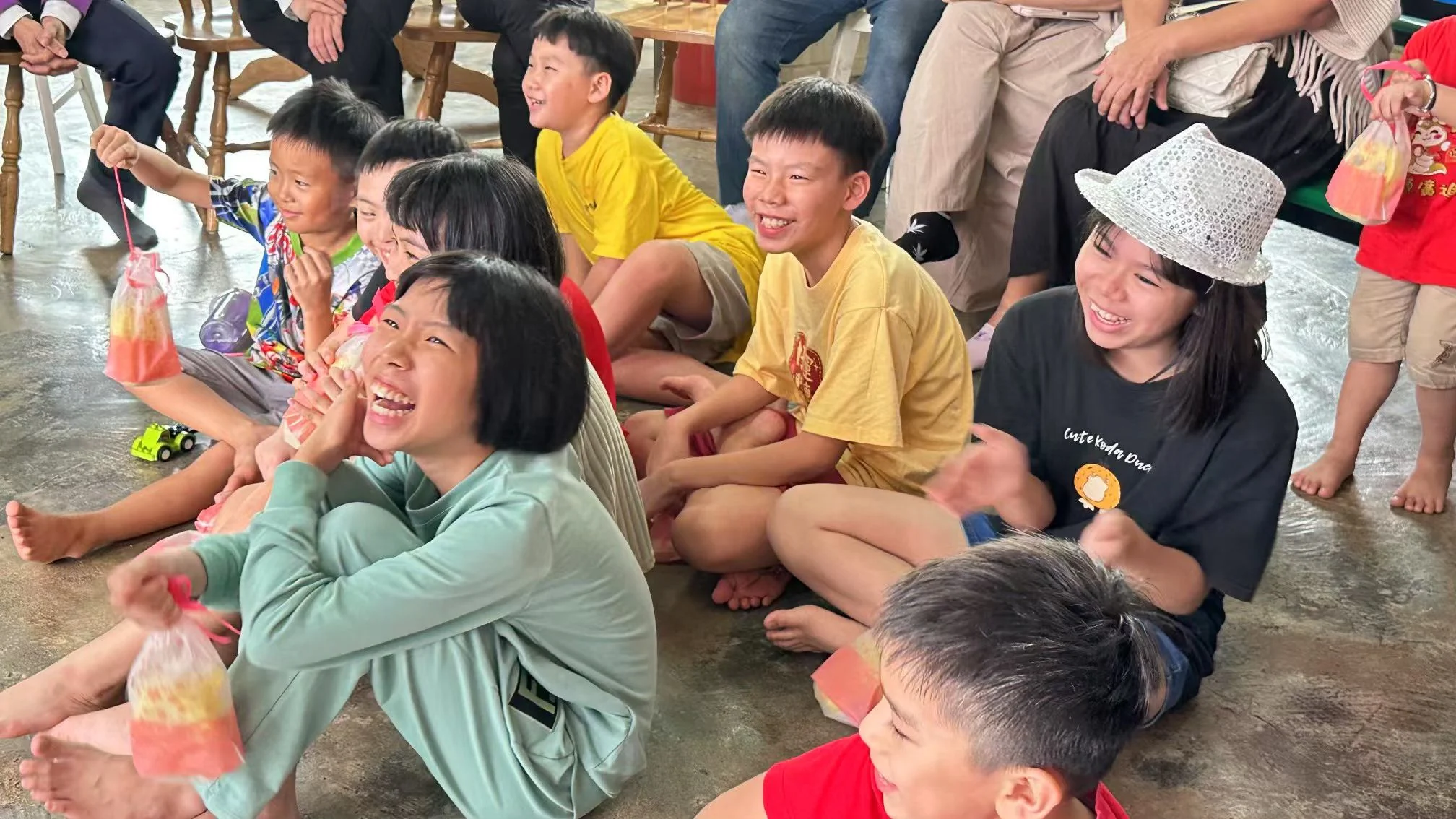
Social Impact and Community Initiatives
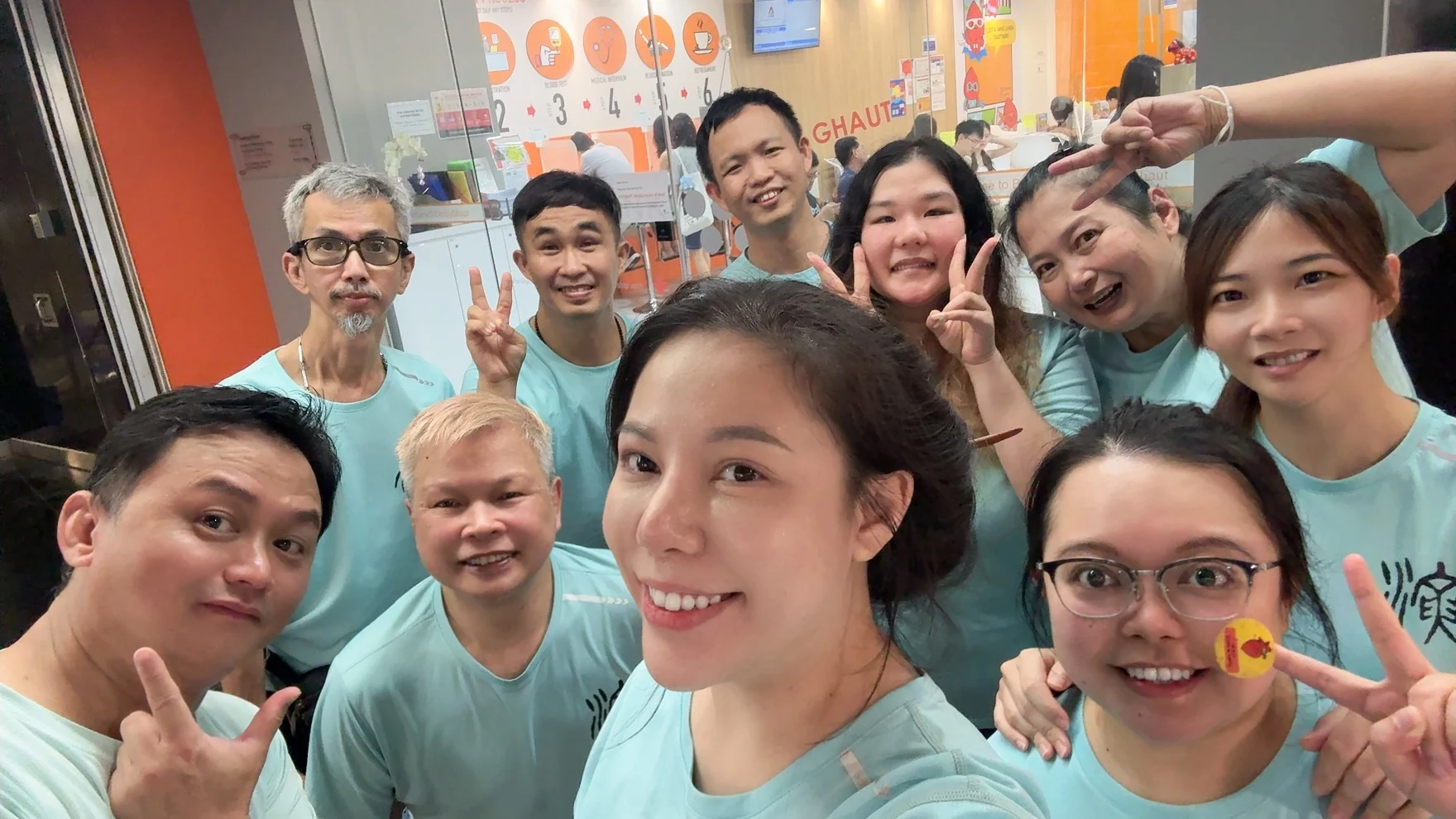
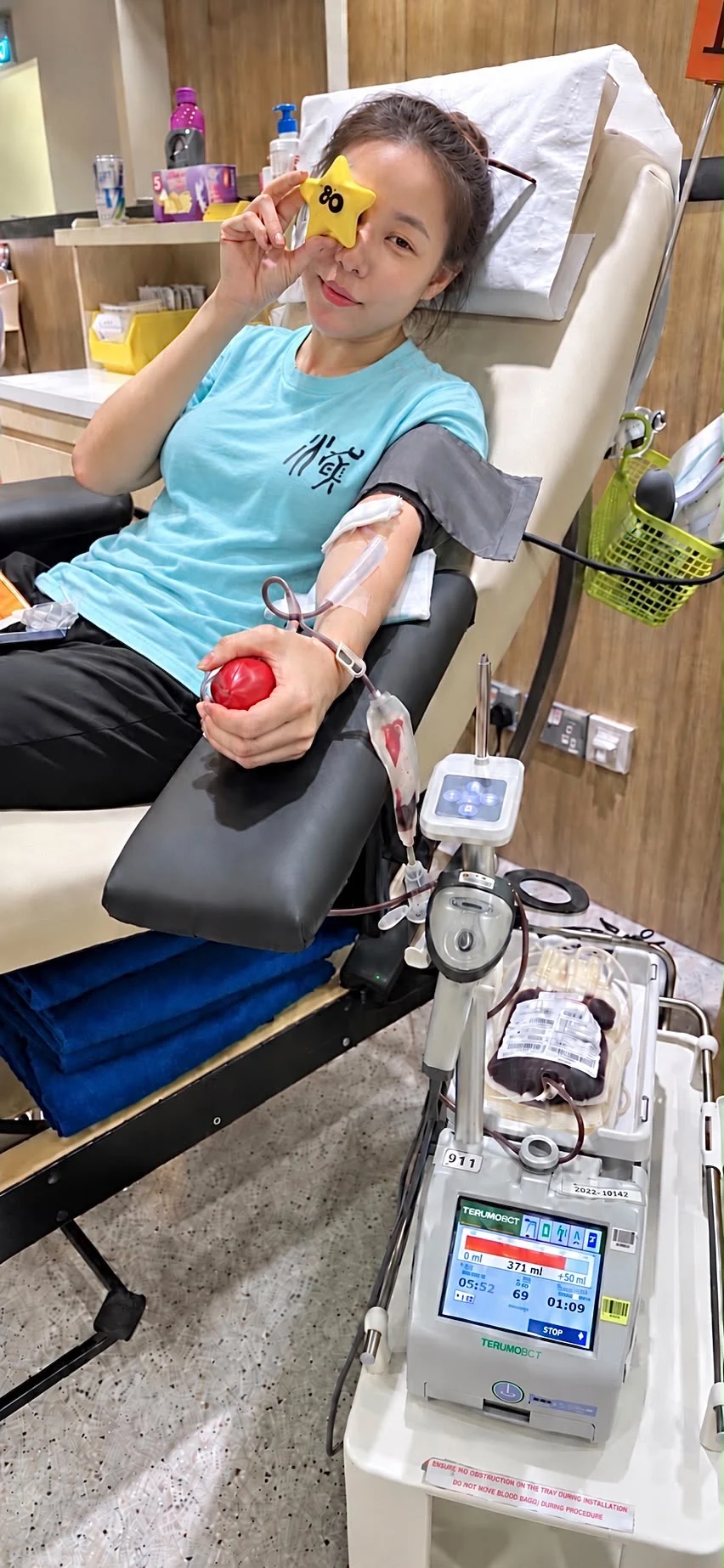
Giving Blood, Sharing Care
Beyond the classroom, care takes the form of action. These photos record moments from a blood donation activity and the shared experience of coming together to support the community.
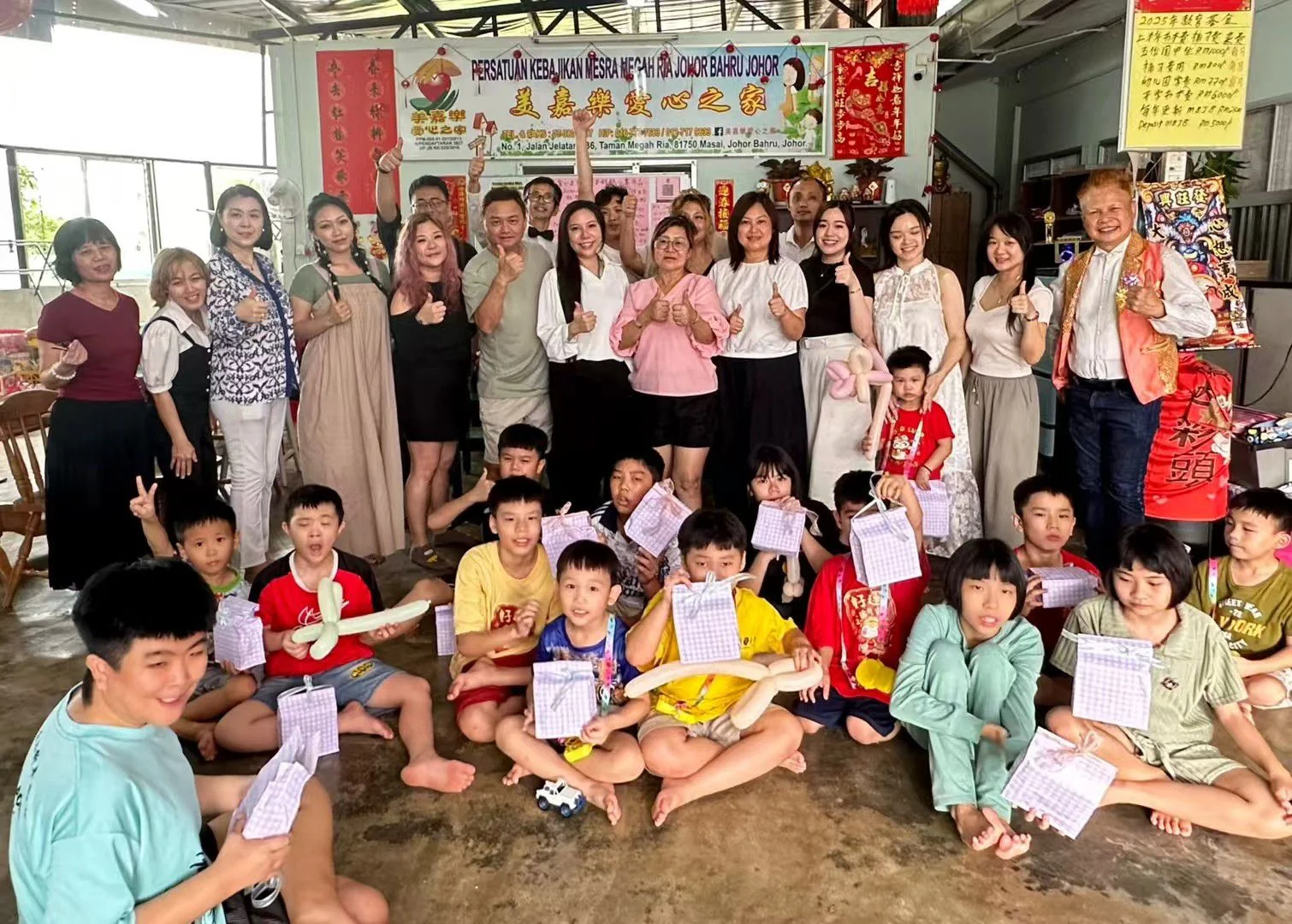
Arts Outreach and Children’s Care
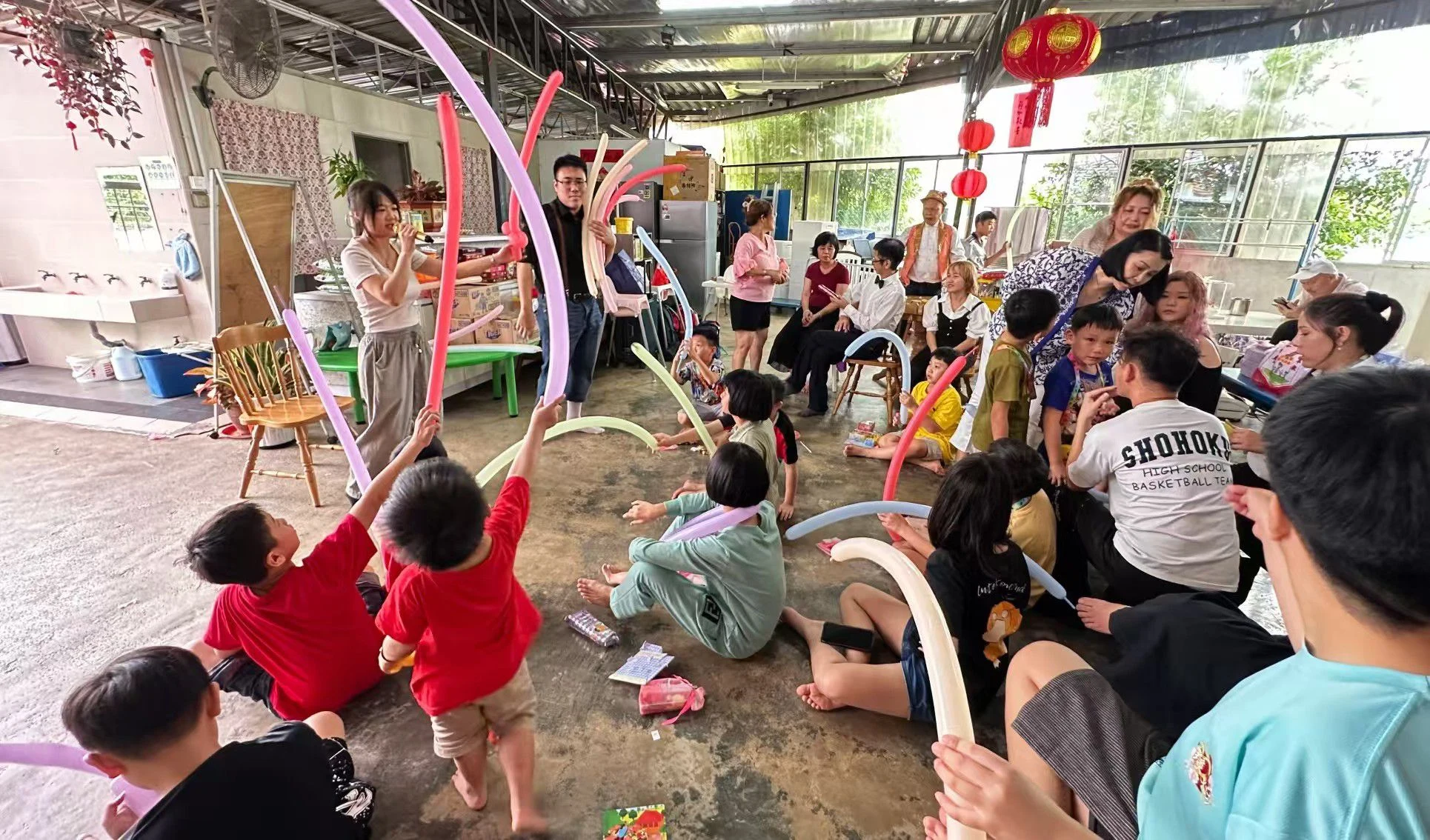
The arts can provide expression, companionship and hope.
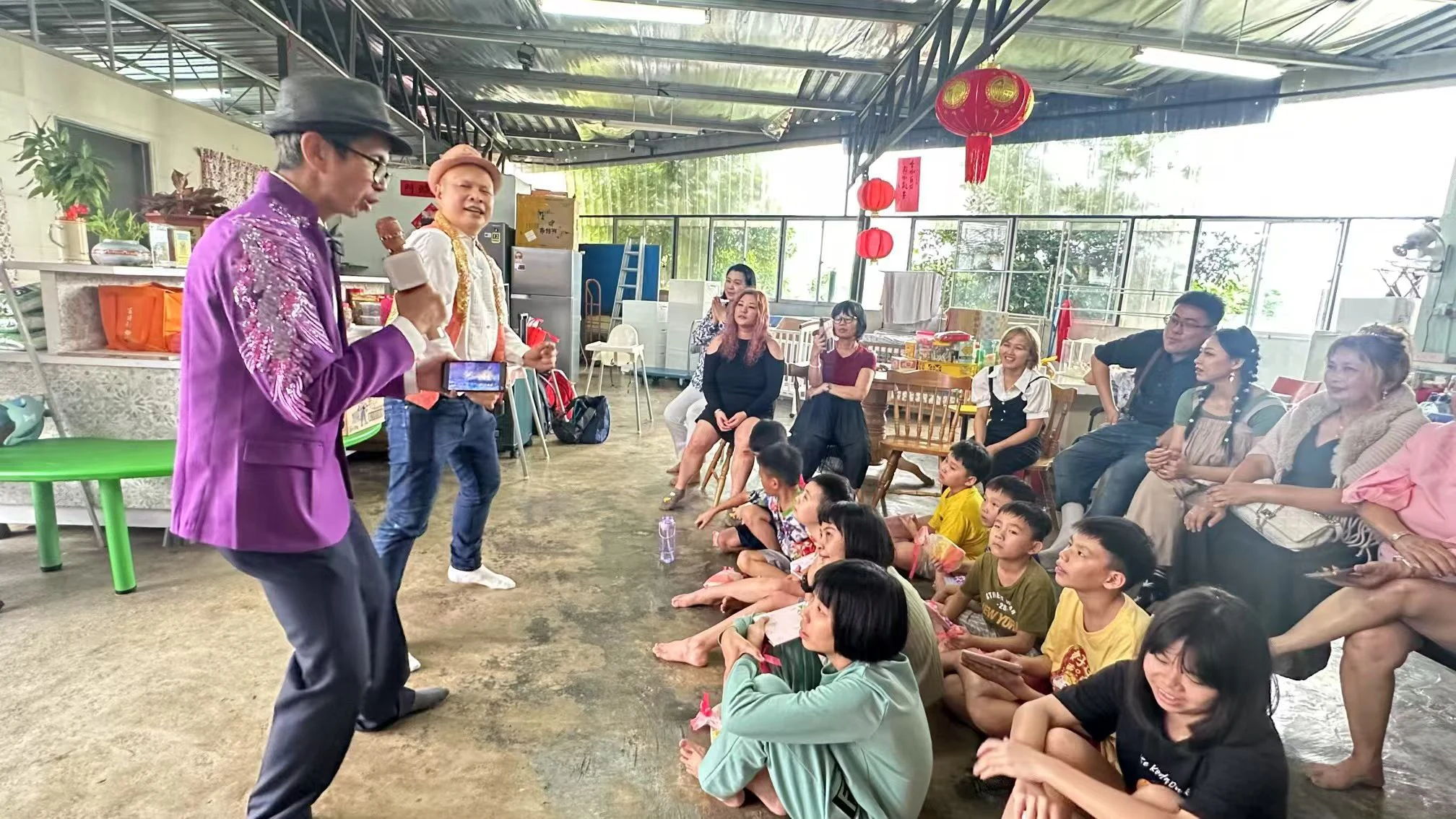
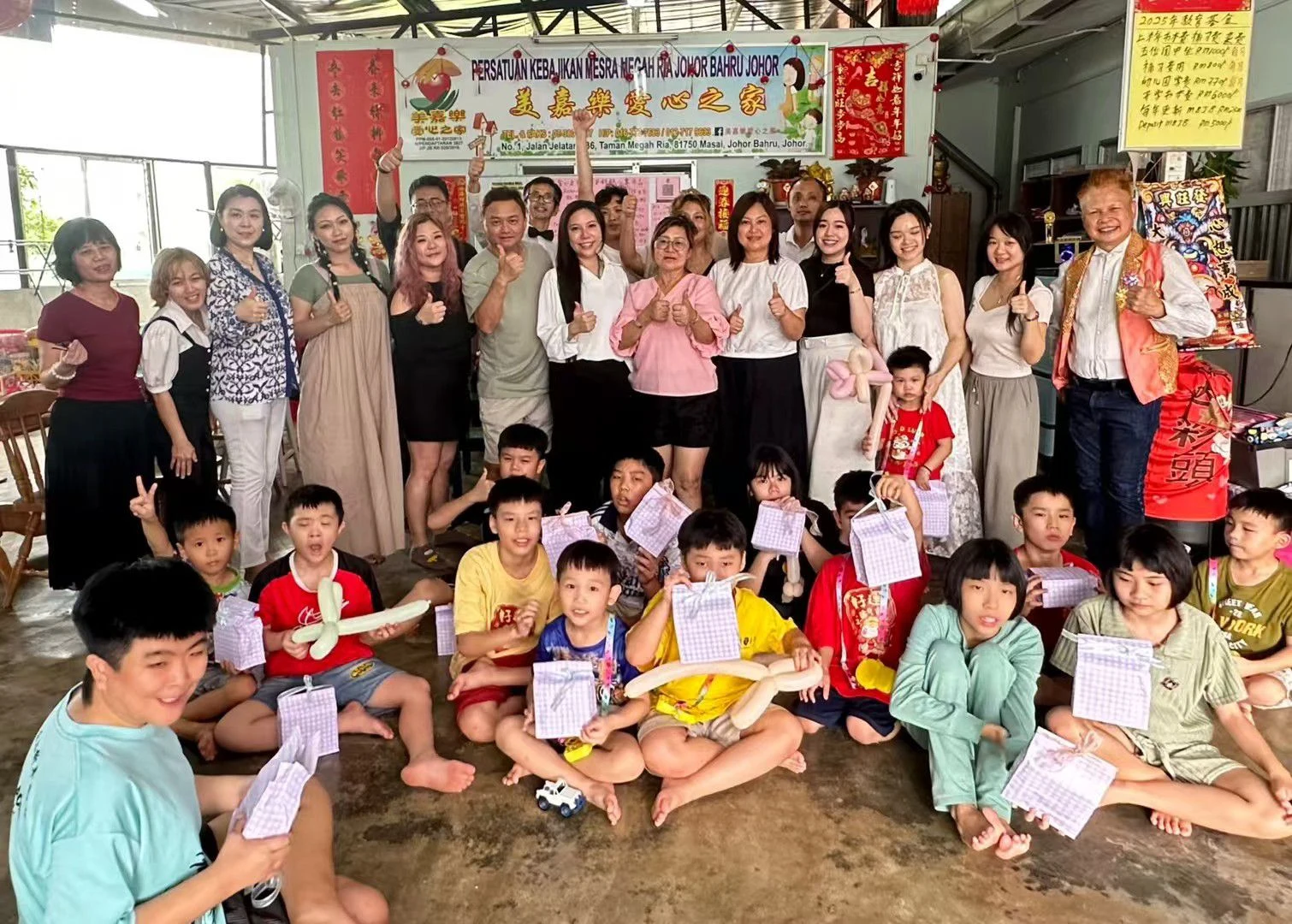
Through creative sharing, interactive activities, community visits and children’s outreach initiatives, JJFILM creates opportunities for children and community participants to experience performance, visual storytelling and creative expression.
These activities aim to provide more than a moment of enjoyment. Through respectful engagement and genuine interaction, we hope participants feel recognised and supported while developing confidence, imagination and the ability to express themselves.
During children’s outreach and community visits, JJFILM places importance on dignity, privacy and safety. Any documentation or use of images should be based on respect and appropriate consent rather than treating charitable work merely as publicity.
Social-Impact Films and Public Issues
Social-impact filmmaking remains an important part of JJFILM’s development.
Through films, documentaries, short-form productions and other visual formats, the company seeks to bring meaningful public issues and authentic human experiences to wider attention.
In developing such projects, the team values truthfulness, human dignity, cultural sensitivity and social responsibility. Our aim is not only to move audiences, but also to encourage informed and constructive engagement with communities and public issues.
Community Partnerships and Public Participation
JJFILM continues to promote the arts, cultural understanding and social care through community activities, school programmes, public engagement, media outreach and film-education initiatives.
We welcome opportunities to collaborate with schools, children’s homes, social-service agencies, non-profit organisations, cultural institutions, companies and international partners on projects with educational, cultural and social value.
Potential forms of collaboration include:
Arts and performance-sharing activities
Creative workshops for children and young people
School-based film and cultural programmes
Community visits and outreach initiatives
Social-impact films and documentaries
Visual campaigns addressing public issues
International cultural and charitable collaborations
Connecting People Through Film
JJFILM seeks to build a deeper connection between screen storytelling and the realities of society, creating work that is not only seen, but also understood and felt.
We believe that meaningful film and art can do more than move an audience. They can connect communities, cultures and people while contributing lasting and positive value to society.
Asian Arts & Cultural Exchange
Asian Arts & Cultural Exchange Programme and Green Screen Film Training Showcase
Green Screen Performance Training and Practical Filming at Singapore EXPO
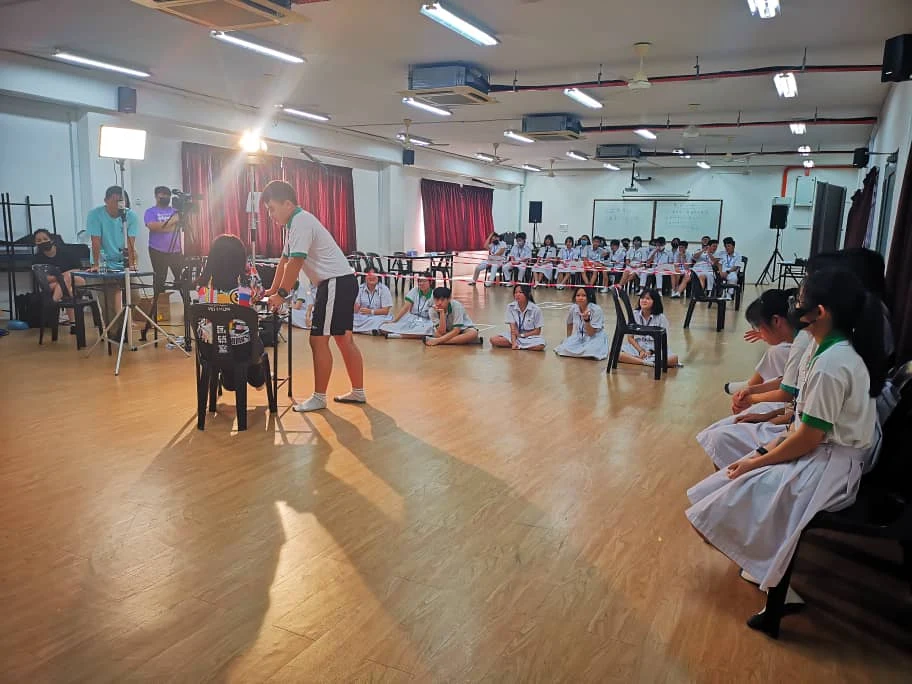
JJFILM and IFCA conducted a green screen film training and practical filming programme at Singapore EXPO, combining screen production techniques, on-camera performance training and hands-on production experience.
The programme provided participants with the opportunity to experience contemporary filmmaking processes in a professional production environment.
Green screen technology is not only an important filmmaking tool but also an effective method for developing an actor’s spatial imagination, technical precision and ability to interact with virtual elements.
Without the support of physical sets or actual props, actors must understand the imagined environment and accurately manage their eye-lines, movements, spatial relationships, emotional responses and character interactions.
From Performance Training to On-Set Execution
Through virtual scene simulations and practical camera exercises, participants learned to perform according to visual settings, directorial instructions and camera positions.
The training also helped them develop a practical understanding of screen language, blocking, lighting zones and production timing.
Training areas included:
Green screen performance for camera
Interaction with virtual environments and characters
Acting with imaginary objects and spatial awareness
Eye-line, movement and positional control
Camera blocking and movement planning
Coordination with lighting and camera positions
On-set responsiveness and execution of directorial instructions
Production workflow and team collaboration
Post-production integration and fundamental visual effects concepts
Professional Production and Technical Coordination
The programme incorporated professional camera equipment, lighting systems, sound recording support and post-production processes.
This enabled participants to understand how a green screen sequence progresses from initial concept development, virtual environment planning and performance rehearsal to filming and post-production integration.
Through practical experience, participants strengthened their on-camera awareness and performance control while gaining a clearer understanding of how actors, directors, cinematographers, lighting teams, sound personnel and post-production professionals work together.
Screen Education and Cultural Exchange
As part of the Asian Arts and Cultural Exchange Programme, the green screen training and showcase provided participants from different backgrounds with opportunities to explore screen technology, performing arts and creative production.
Through technical demonstrations, practical training and screen presentations, the programme encouraged interaction between film education and cultural arts while introducing participants to the diverse creative possibilities of contemporary screen production.
Practice-Based Talent Development
The programme also formed part of IFCA’s practice-based approach to film and performing arts education.
Through green screen exercises, on-camera performance, practical filming and team collaboration, participants were guided to transform classroom knowledge into practical production skills.
This process helped them develop the camera awareness, technical understanding, professional discipline and collaborative abilities required in a professional screen production environment.
Whether applied to film production, commercial projects, educational programmes or creative experimentation, JJFILM and IFCA remain committed to integrating technology, creativity and education to create meaningful screen experiences with professional, artistic and cultural value.
Our areas of focus include:
Building public empathy and social awareness through authentic stories