Synopsis
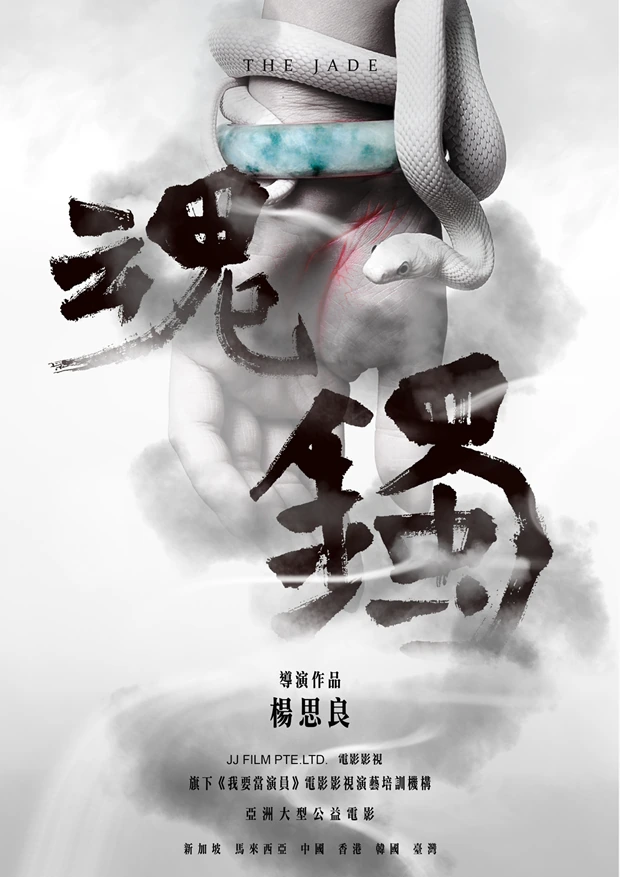
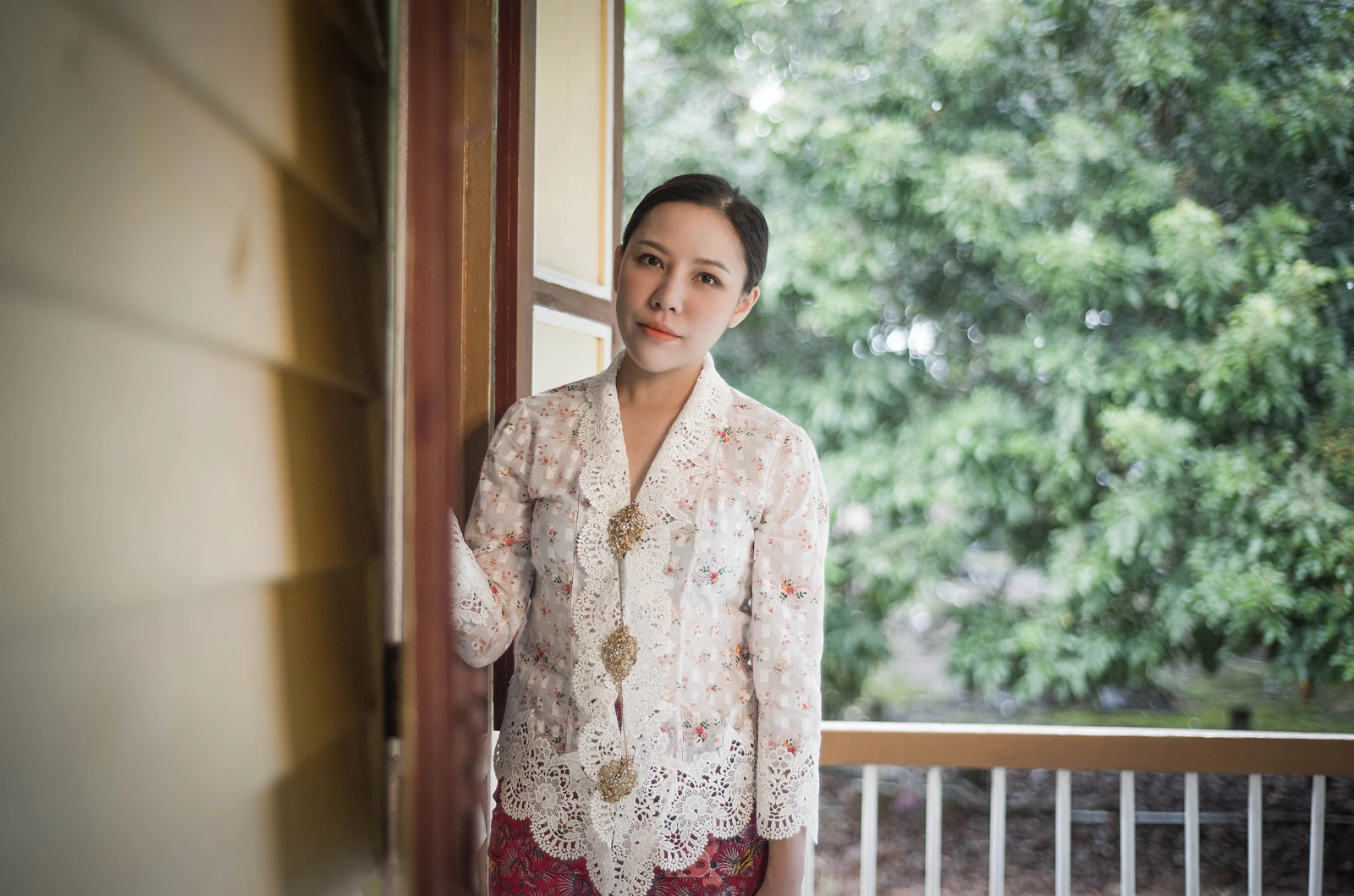
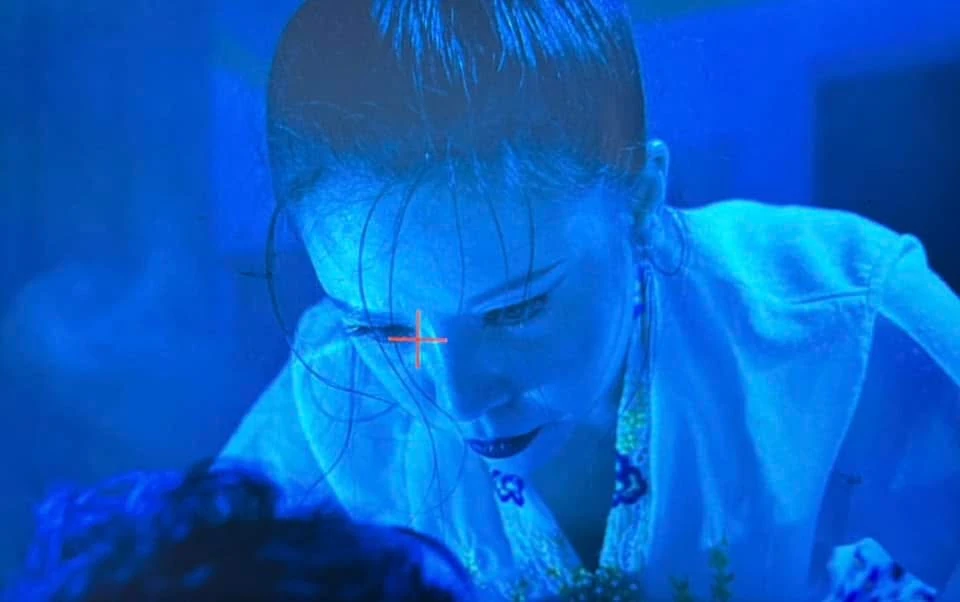
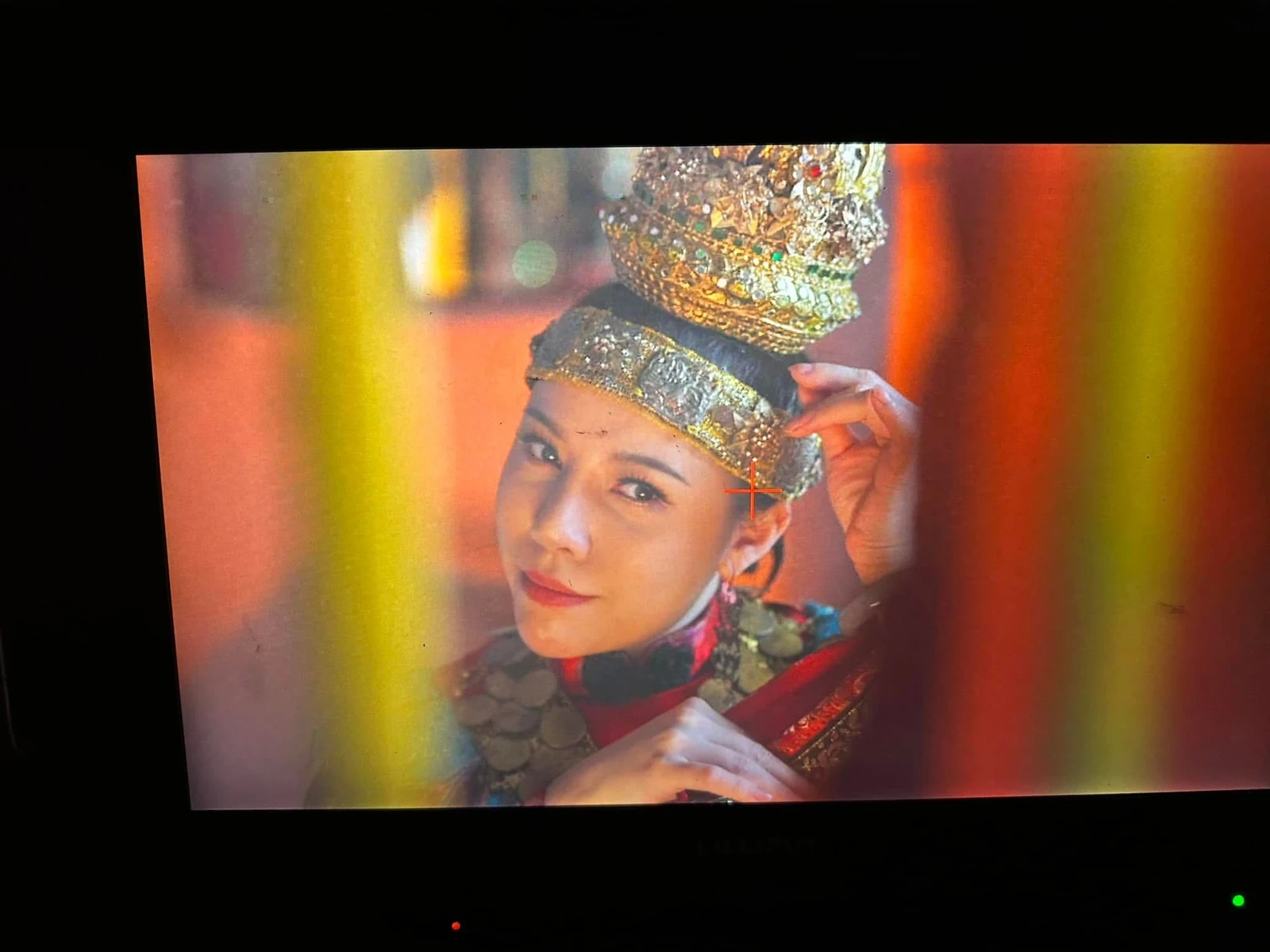
The Jade — A Life Unwritten is a cross-border social impact film combining historical drama, tragic romance and psychological elements. Told through interwoven timelines spanning the early twentieth-century Nanyang world and the present day, the film follows Zhao Jing Yao, a Peranakan woman struggling between traditional marriage, family duty and the freedom to determine her own life.
Jing Yao has dreams and longs to live a life of her own. Yet in an era when a woman’s identity and future were often determined by family authority, traditional values and social expectations, she is taught from childhood how to become a “good daughter” and, eventually, a “good wife.” No one, however, ever truly asks her:
“Who do you want to become?”
Centred on love, obsession, choice and time, the film explores how women were constrained by family structures, cultural traditions and social expectations. Through emotions that echo across generations, it reflects the conflict between individual will and a life shaped by forces beyond one’s control.
Approximately eighty per cent of the story takes place within a Peranakan community around 1910, while the remaining narrative unfolds in the present day. The contemporary storyline is not the film’s principal narrative, but a bridge connecting the past and present, allowing the unheard experiences of a woman from another era to resonate with audiences today.
More than a woman’s love story, the film portrays the course of her life and her gradual realisation that, even within a future arranged by others, she should have the right to choose for herself.
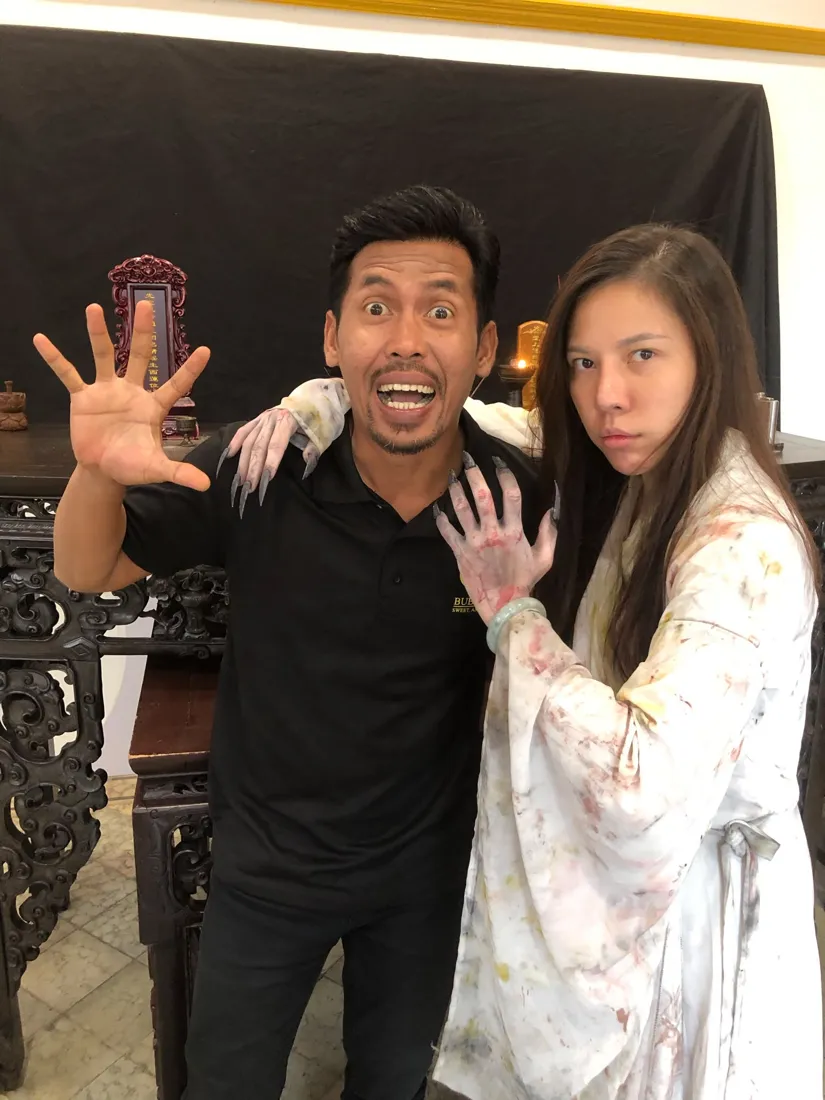
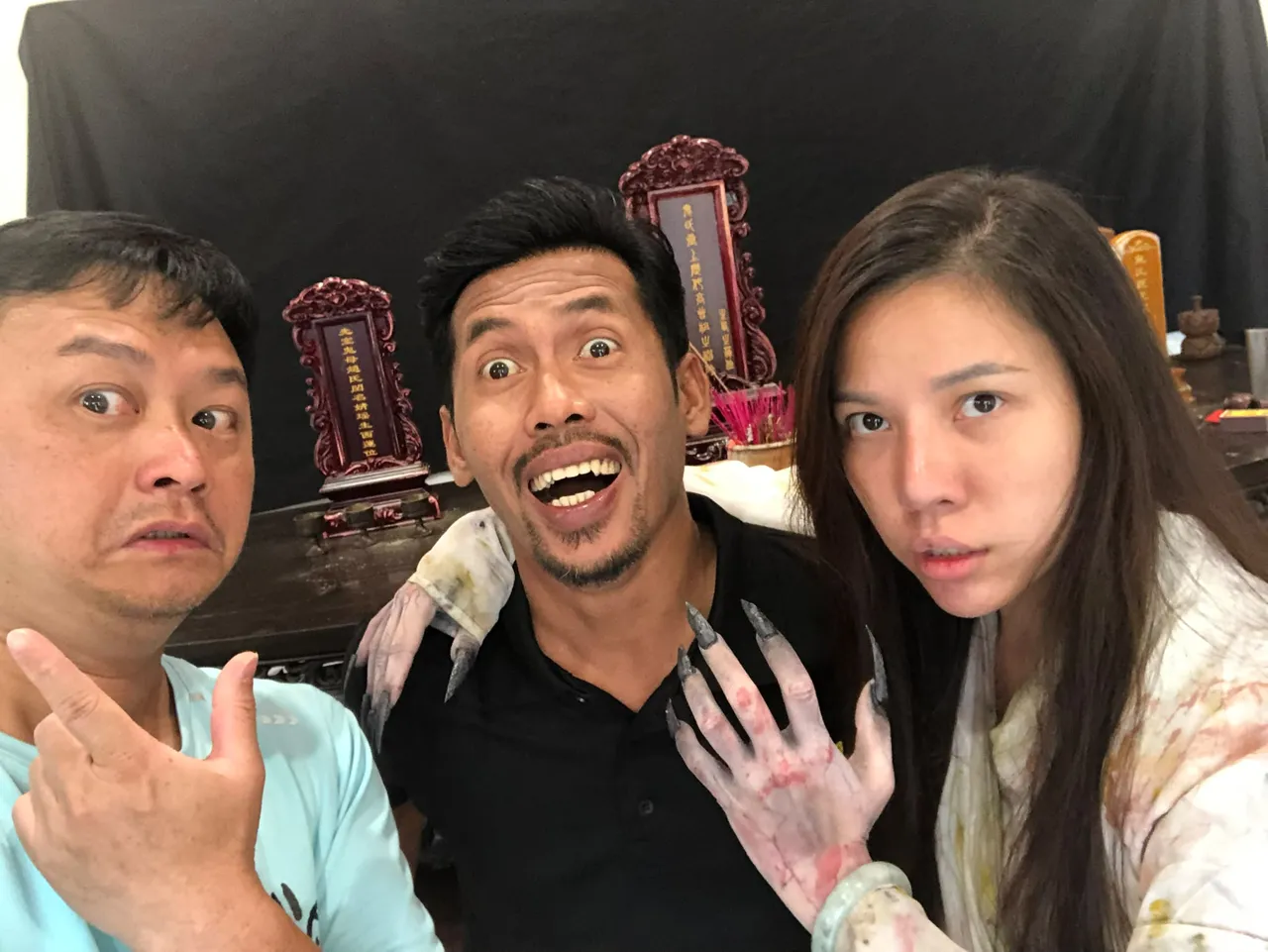
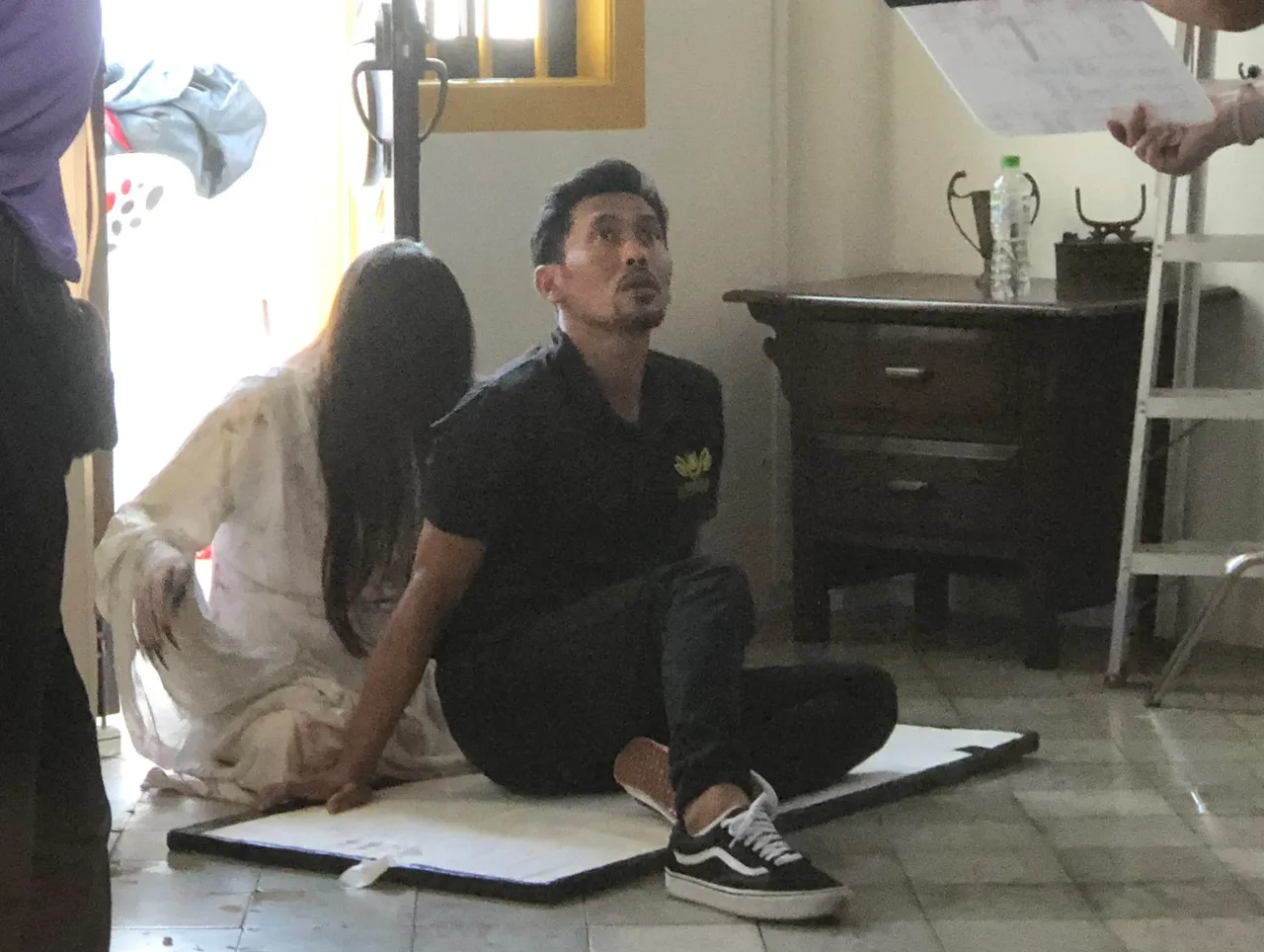
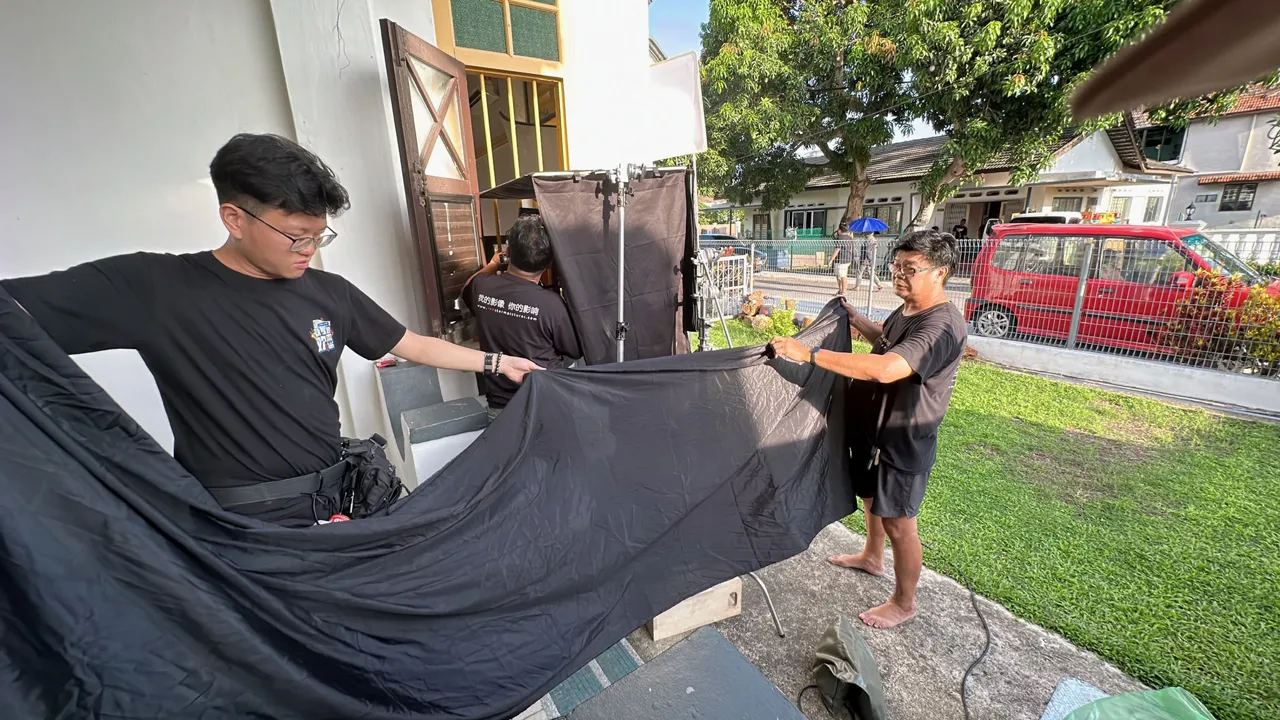
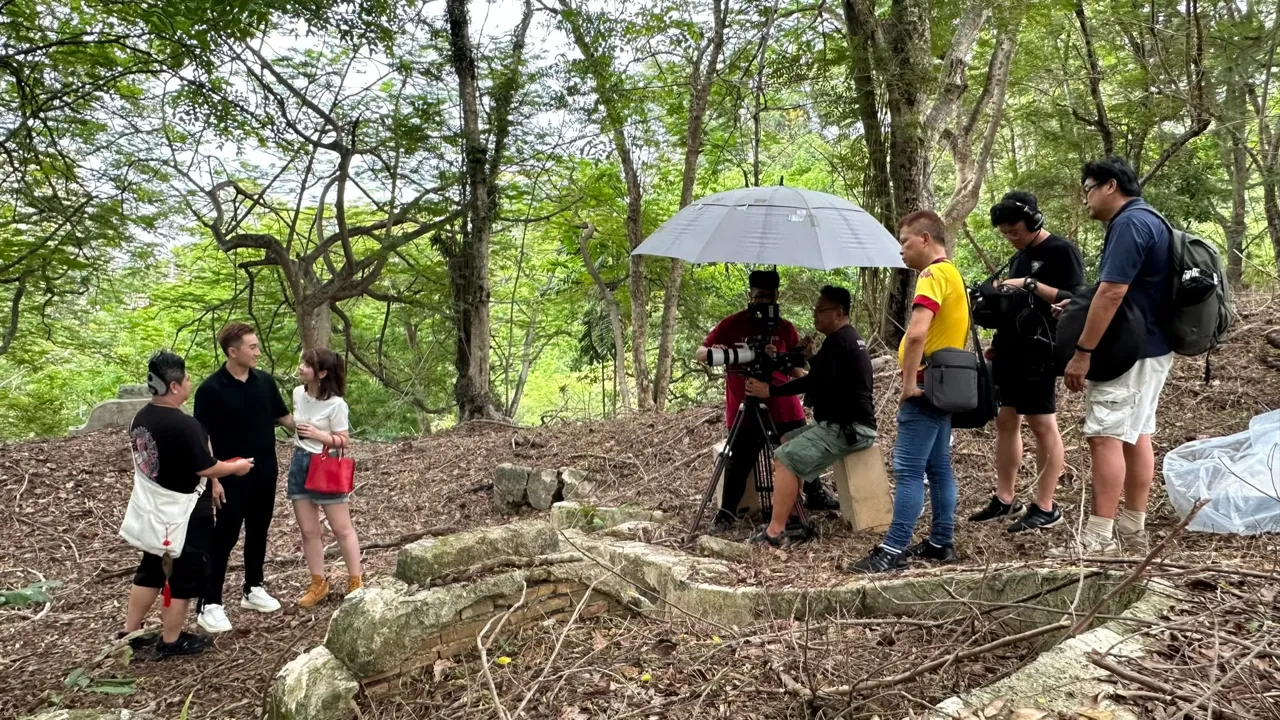
Filmed across Singapore, Malacca and Johor, Malaysia, the production uses surviving historical buildings, traditional residences and cultural spaces to recreate the social environment, cultural structure and atmosphere of the early Nanyang Chinese community.
The film ultimately raises a question that transcends time:
When fate has already written a person’s life, will she still have the courage to take the pen back into her own hands?
Key Themes
- Women’s freedom and personal agency
- Love, regret and obsession
- Fate and individual will
- Family honour and traditional expectations
- Peranakan culture and Nanyang heritage
- Memory, loss and redemption
- Parallels between women’s experiences in the past and present
Historical & Cultural Significance
The Jade — A Life Unwritten reconstructs the cultural environments of Singapore, Malacca and Johor through historical storytelling and the lives of its characters.
Drawing upon traditional family structures, marriage customs, women’s social roles and cultural expectations, the film portrays the limitations and conflicts faced by women caught between family responsibilities and personal choice in the early twentieth century.
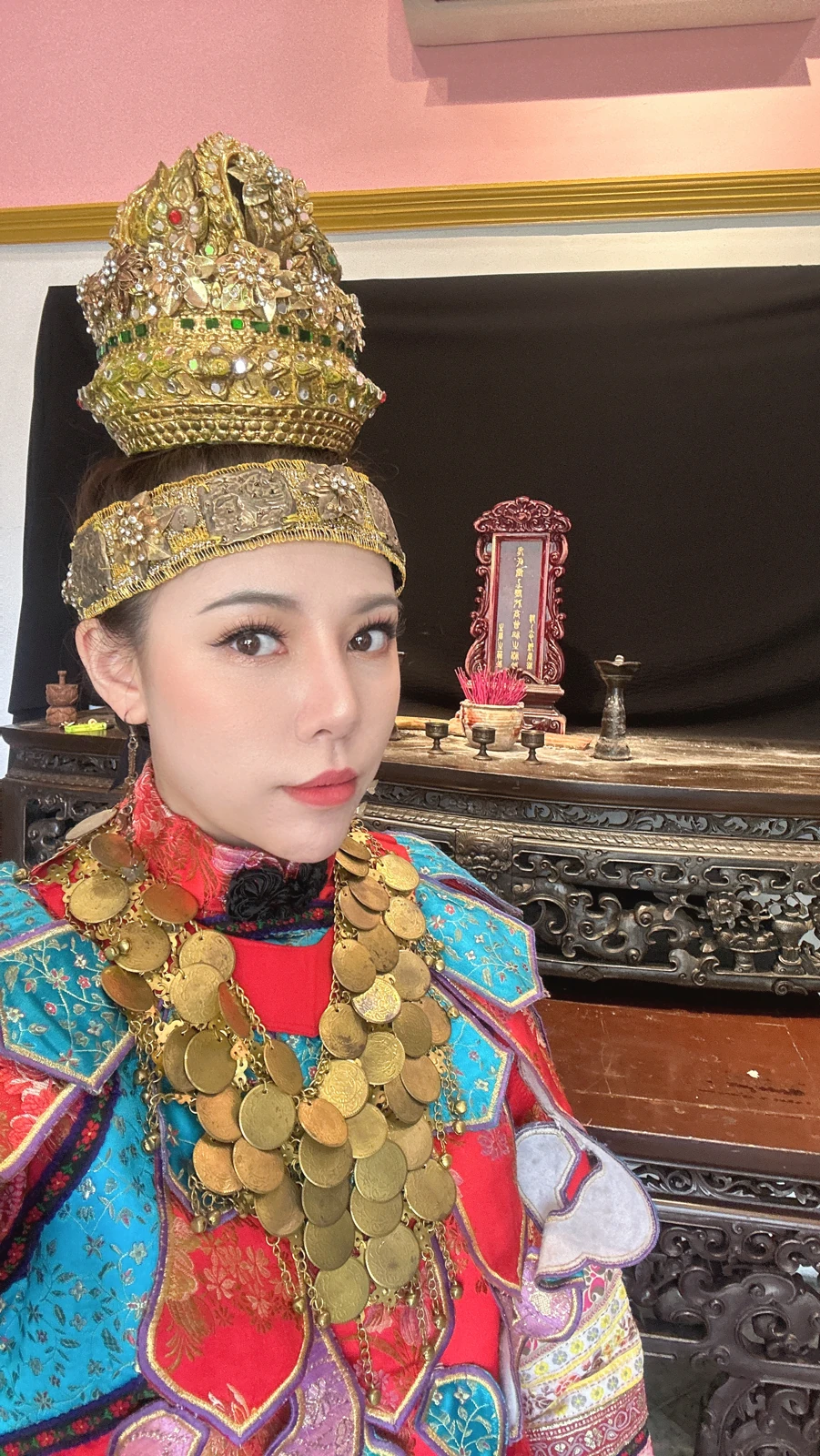
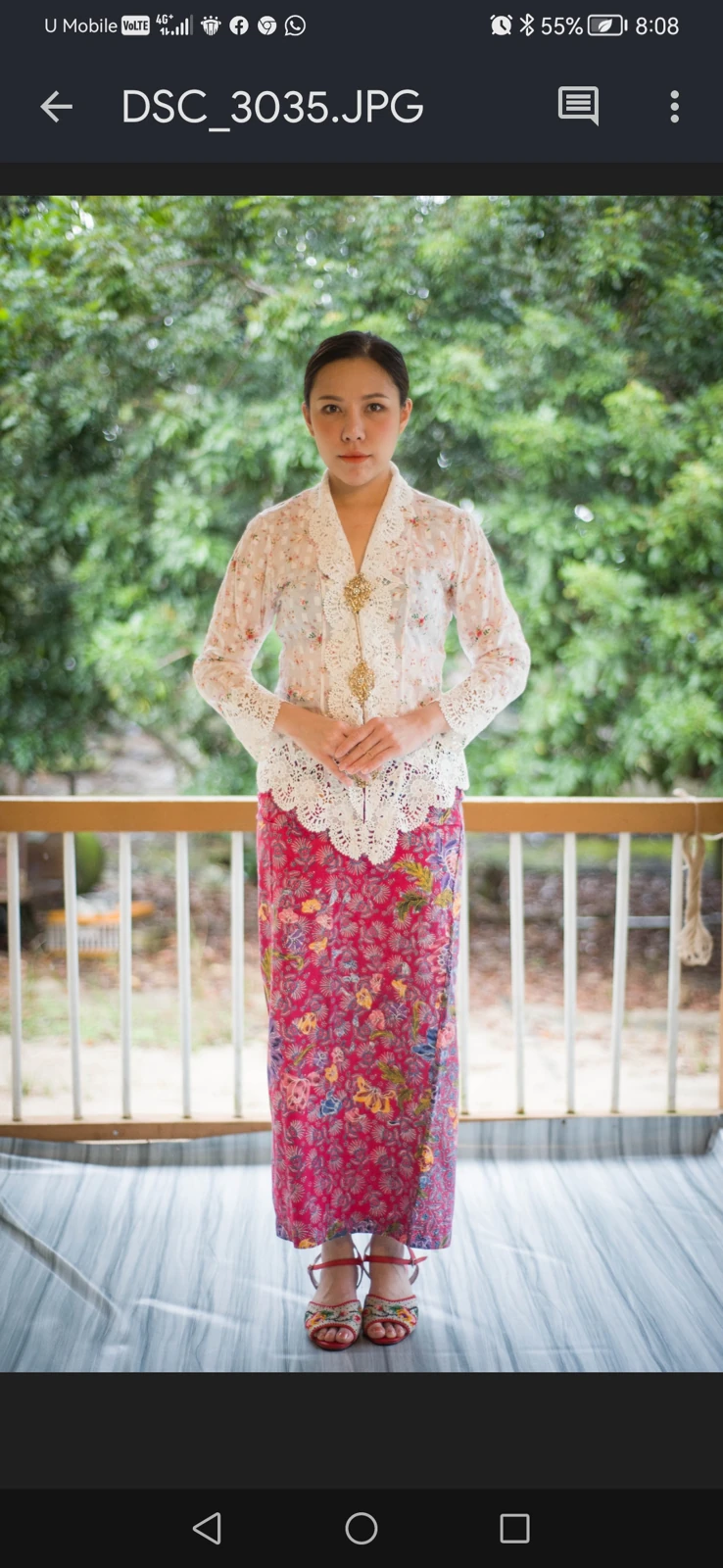
Peranakan culture is not used merely as visual decoration. Architecture, wedding customs, clothing, language, family relationships and domestic rituals are integrated into the characters’ everyday world, allowing culture itself to influence their decisions and shape the story.
By placing the historical and contemporary timelines in dialogue, the film also considers how cultural traditions, gender roles and social expectations have changed—and whether some invisible restrictions continue to exist today in different forms.
Peranakan Art Direction & Cultural Context
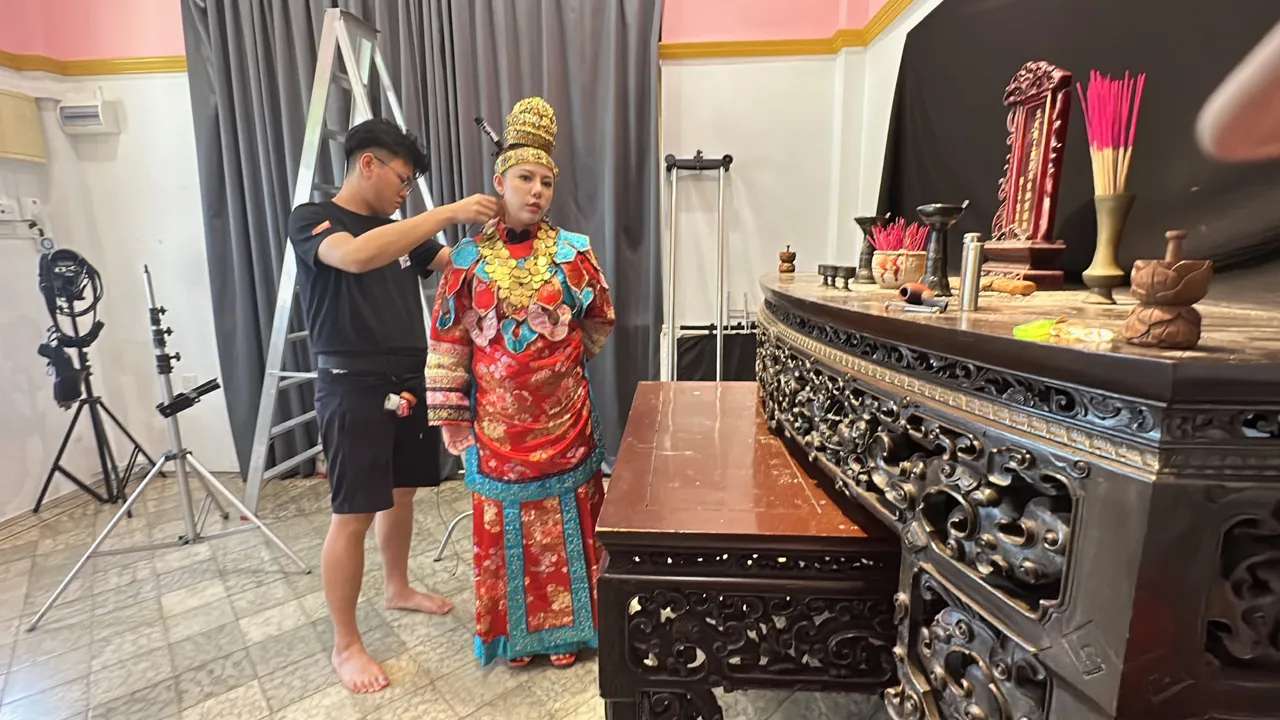
The film was shot at historically and culturally significant locations across Singapore, Malacca and Johor. Authentic architecture, traditional residences and heritage spaces establish the visual foundation of an early twentieth-century Nanyang Chinese community.
Several key scenes were filmed in historical buildings and traditional Peranakan residences in Malacca, strengthening the film’s historical depth, regional identity and cross-border cultural context.
The film’s production and cultural design incorporates:
- Peranakan architecture and traditional living spaces
- Period clothing, styling and household objects
- Wedding ceremonies and family customs
- The relationship between domestic space and social identity
- Everyday life within Nanyang Chinese communities
- Visual representations of social class, generation and gender roles
The overall visual design brings together architecture, wedding rituals, costume details and domestic traditions to create a cinematic world with a strong sense of period and place.
Dialogue, speech patterns and performance rhythms were also developed with consideration for the historical setting, allowing the characters’ emotional expression to remain grounded in the family structures and cultural environment of their time.
Dual-Timeline Narrative
The film is primarily set in the early twentieth-century Nanyang world, with a limited contemporary storyline connecting the present to emotions, memories and choices from the past.
The modern timeline is not separate from the historical narrative. It serves as a bridge through which a question from an earlier generation returns to the present:
We may have more choices today—but do we truly know how to choose for ourselves?
This dual-timeline structure allows the film to move beyond historical tragedy and reflect upon the family expectations, relationship pressures, identity labels and self-imposed limitations that may still exist in contemporary society.
Social Relevance & Women’s Agency
The Jade — A Life Unwritten examines women’s position within traditional marriage, family structures and social expectations, while using a contemporary perspective to consider whether these issues have truly disappeared with the passing of time.
In the past, women faced arranged marriages, parental authority, expectations of social compatibility and traditional family systems. Women today have greater freedom, yet they may still encounter expectations imposed by family, society and age:
“When are you getting married?”
“Why are you still single?”
“No matter how successful your career is, you still need to get married.”
“A woman of your age should already…”
Such remarks are often expressed out of concern. However, when the same expectations are repeated over time, they may become a form of invisible pressure, causing a woman to question whether her worth must be defined by marriage, age or the approval of others.
The form may have changed, but the conflict between “who others expect you to become” and “who you truly wish to be” remains.
The film does not attempt to provide a simple judgement of who is right or wrong. Instead, it asks a more fundamental question:
Who should write the story of a woman’s life?
Tradition?
Her family?
Society?
Or the woman herself?
Jing Yao’s story takes place more than a century ago, but her emotional world reflects experiences that many women today have encountered—or continue to face.
She wishes to be understood and respected, and to have the right to choose the course of her own life.
The film seeks to encourage meaningful discussion around:
- Women’s freedom of choice and personal agency
- Family expectations and individual will
- Love, marriage and the way women’s worth is defined
- Traditional culture and social expectations
- The continuation and transformation of women’s experiences across generations
- Nanyang history and Peranakan cultural heritage
The project is therefore more than a period film. It is a contemporary conversation about women, family, culture and the right to determine one’s own life.
Director’s Statement
Why I Created The Jade — A Life Unwritten
The idea for The Jade — A Life Unwritten began with my reflections on the lives of women across different generations.
I first thought about my grandmother’s and mother’s generations. During the periods in which they grew up, how many decisions could a woman truly make about her own life? How much had already been decided for her by family, marriage, tradition and social expectations?
As I traced this question further into the past, towards the early twentieth-century Nanyang world, a deeper question emerged:
If a woman has been taught from childhood to accept her fate, how much courage—and what price—would be required when she first attempts to choose her own life?
That question became the true creative starting point of the film.
Beyond Love Is a Woman’s Right to Choose
There is love in The Jade — A Life Unwritten, but love is not the film’s ultimate subject.
When romantic love, family bonds, duty, tradition and personal will come into conflict, the protagonist is not simply deciding whom she should choose. She is confronting a more fundamental question:
Do I have the right to choose my own life?
I did not want to portray her simply as a woman rebelling against tradition.
Looking back from the present, it is easy to ask: Why did she not refuse? Why did she not leave? Why did she not resist?
Yet in a time when almost everyone around her insisted that “this is how a woman should live,” she might have needed years before realising for the first time:
I, too, am allowed to make my own choice.
Whether she ultimately succeeds in changing her fate is therefore not the only answer that matters to me.
What matters more is whether, in an age when almost everyone else determined the course of her life, she ever truly made one choice for herself.
A Story Set in the Past That Reflects the Present
The film takes place in the early twentieth-century Nanyang world, but the question at its heart does not belong only to that period.
Peranakan culture, Nanyang architecture, traditional family structures, wedding customs, clothing and everyday life are not merely visual elements. Together, they form the protagonist’s world and reveal how an era determines the choices available to a woman.
Looking from the past towards the present, however, I wanted to ask another question:
Times have changed—but have those invisible restraints completely disappeared?
In the past, women may have faced family authority, arranged marriages and traditional social rules. Today, these pressures may take the form of family expectations, social standards, relationship pressures, fixed identities or even limitations imposed upon oneself.
The form has changed, but the conflict between “who others expect you to be” and “who you truly want to become” still exists.
The film therefore tells a story set in the past, but it holds a mirror to the present.
The contemporary timeline is not the centre of the story. It is a connection through which a question from the past travels forward and returns to us today:
We have more choices now—but do we truly know how to choose for ourselves?
What Truly Crosses Time Is What the Heart Cannot Release
Through memory and the continuation of time, the film gently touches upon the connection between people and a past they cannot release. However, supernatural phenomena are not the film’s central concern.
What interests me more is the power of a thought or attachment—and how something once held in the heart may gradually become an obsession.
Some people are able to let go of the past and continue forward. Others remain trapped by love, regret, pain, hatred or a choice that was never completed.
A single thought can become determination, or it can become obsession.
It can remain as love, or it can transform into hatred.
It can carry someone forward, or hold them in the past for the rest of their life.
I have always believed:
A single thought can shape the value of a lifetime.
What crosses time may not be life itself, but an attachment that has never been released.
This is another meaning behind the connection between past and present in the film.
More Than the Tragedy of One Woman
I do not want audiences to leave the film remembering only the tragedy experienced by one woman.
I hope they will look through her life and reconsider their own choices:
If I were her, what would I choose?
And then bring that question back to the present:
Am I truly choosing my own life today?
We cannot choose the era into which we are born, nor can we control everything that happens to us. But when fate places a choice before us, the decision we make may ultimately determine the person we become.
The central question of The Jade — A Life Unwritten is therefore not whether a person can completely defeat fate. It is this:
When fate has already written your life, do you have the courage to take the pen back into your own hands?
The moment a woman begins to change her destiny may not be the moment she successfully escapes from something. It may be the first moment she truly realises:
I, too, should have the right to choose the course of my own life.
That single realisation may become the beginning of everything that follows.
A single thought can shape the value of a lifetime.
That is why I created The Jade — A Life Unwritten.
—Director Yeo Sze Liang
Read the Original Director’s Perspective PDF ↗Creative Team
- Director: Yeo Sze Liang
- Executive Producer: JJFILM PTE. LTD.
- Production Company: JJFILM PTE. LTD.
- Co-Production: Singapore–Malaysia cross-border production team
- Actor Training and Talent Development: IFCA(Institute of Film & Cinematic Arts)
Film Information
- Chinese Title: 《魂镯——被命运书写的女人》
- English Title: The Jade — A Life Unwritten
- Genre: Historical Drama/Tragic Romance/Psychological Drama
- Creative Basis: Inspired by True Events
- Languages: Mandarin, Baba Malay and Chinese dialects
- Estimated Running Time: Approximately 90 minutes
- Countries/Regions: Singapore and Malaysia
- Filming Locations: Singapore, Malacca and Johor
- Primary Period: The early twentieth-century Nanyang world, around 1910
- Narrative Structure: A dual-timeline narrative connecting the historical Nanyang world and the present day
- Project Positioning: A cross-border social impact film and cultural heritage screen project*