01.01 / MENTORSHIP · GRATITUDE · LEGACY
Visit to Mr. Wong Kok Nam | Learning, Gratitude & the Passing On of the Filmmaking Spirit
Mr. Wong Kok Nam is a veteran Malaysian filmmaker, now in his nineties. Earlier in his career, he spent more than two decades in Hong Kong working as a director and director of photography with Shaw Brothers, Cathay and Television Broadcasts Limited (TVB). Over the years, he contributed to numerous film and television productions and witnessed first-hand the evolution of filmmaking from the era of celluloid film to television and modern screen production.
After many years in the Hong Kong film and television industry, Mr. Wong returned to Malaysia and brought his professional experience into arts and screen education. He later taught in the Drama Department of the Malaysian Institute of Art (MIA), passing on knowledge gained from real production environments to a younger generation. JJFILM director Yeo Sze Liang studied at the Institute, and Mr. Wong became one of his most important early mentors in photography and visual storytelling.
THE VISIT
From One Generation of Filmmakers to the Next
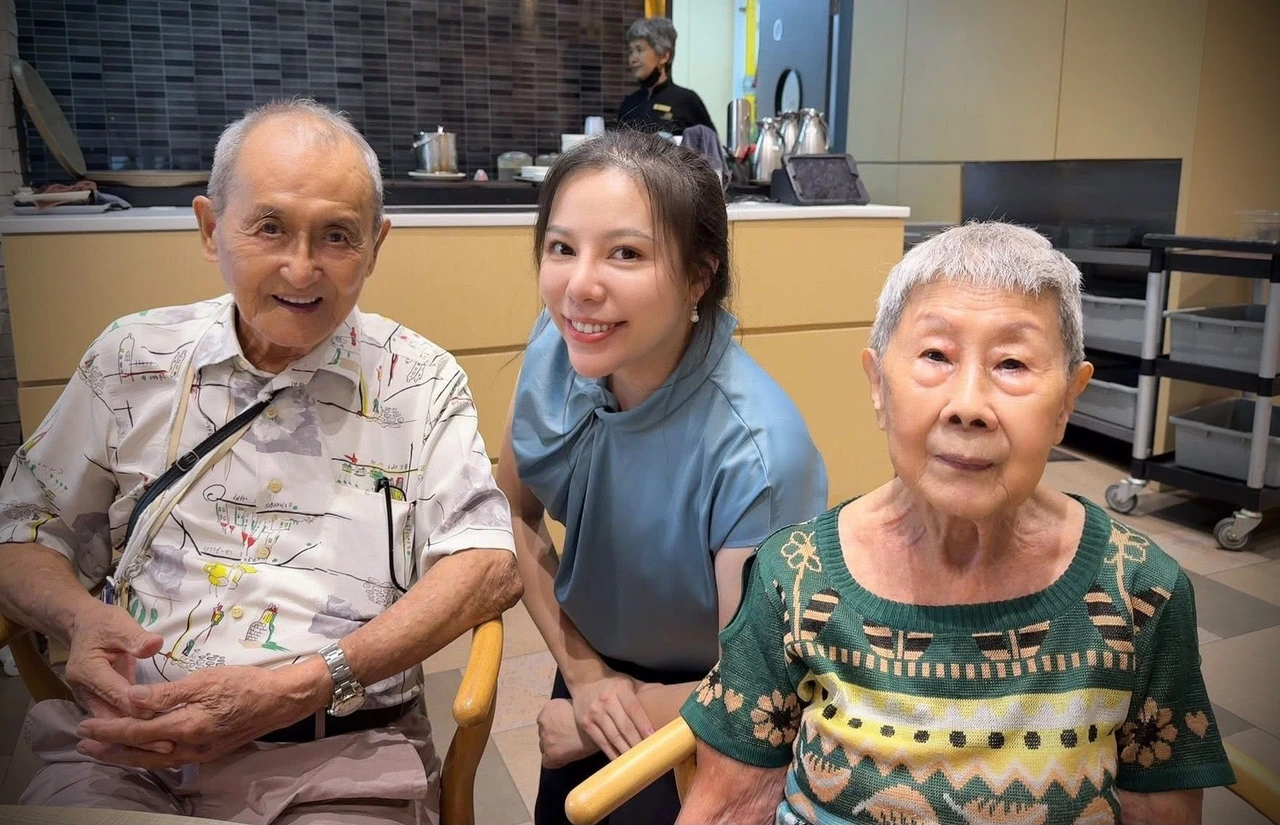
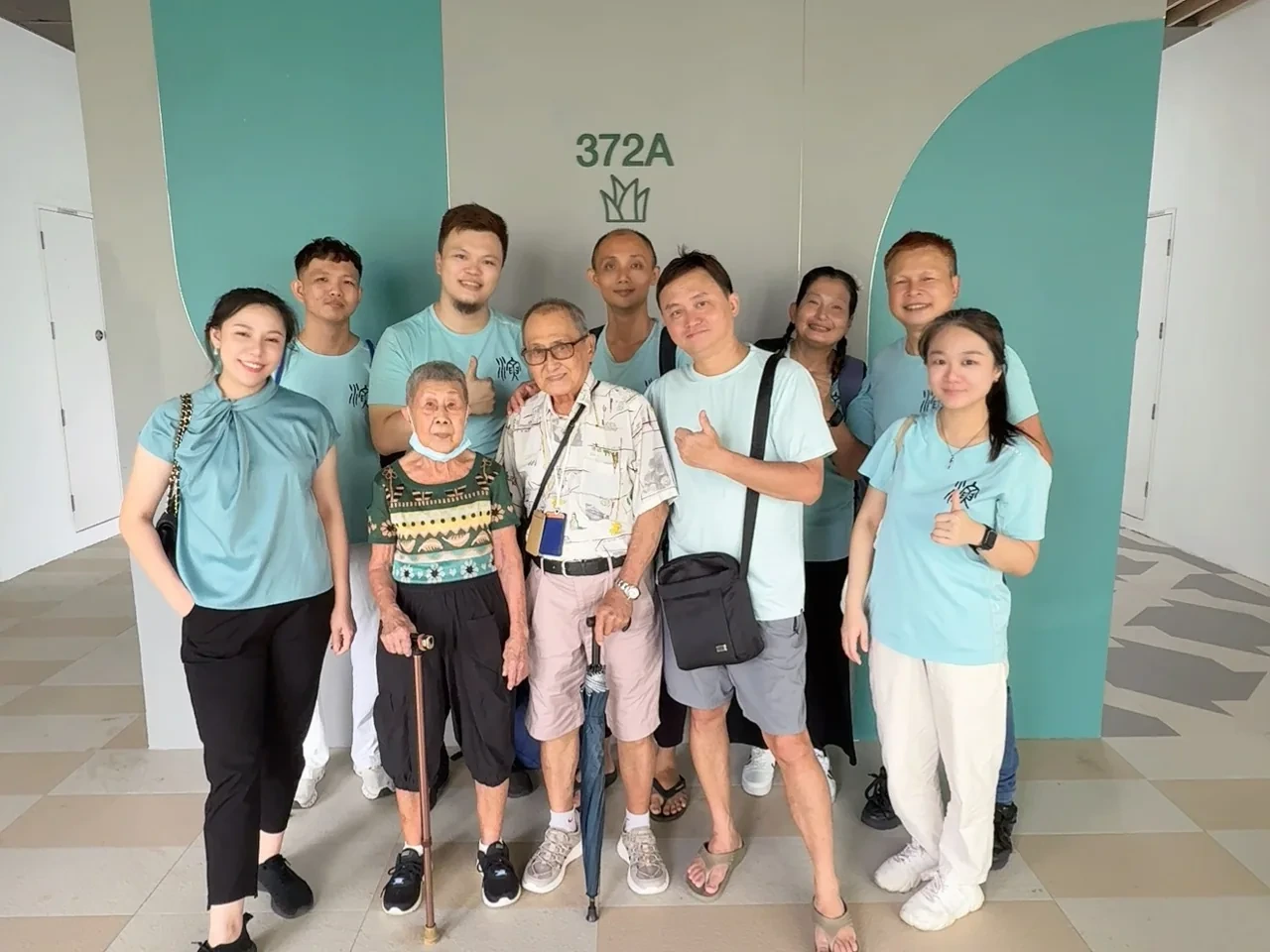
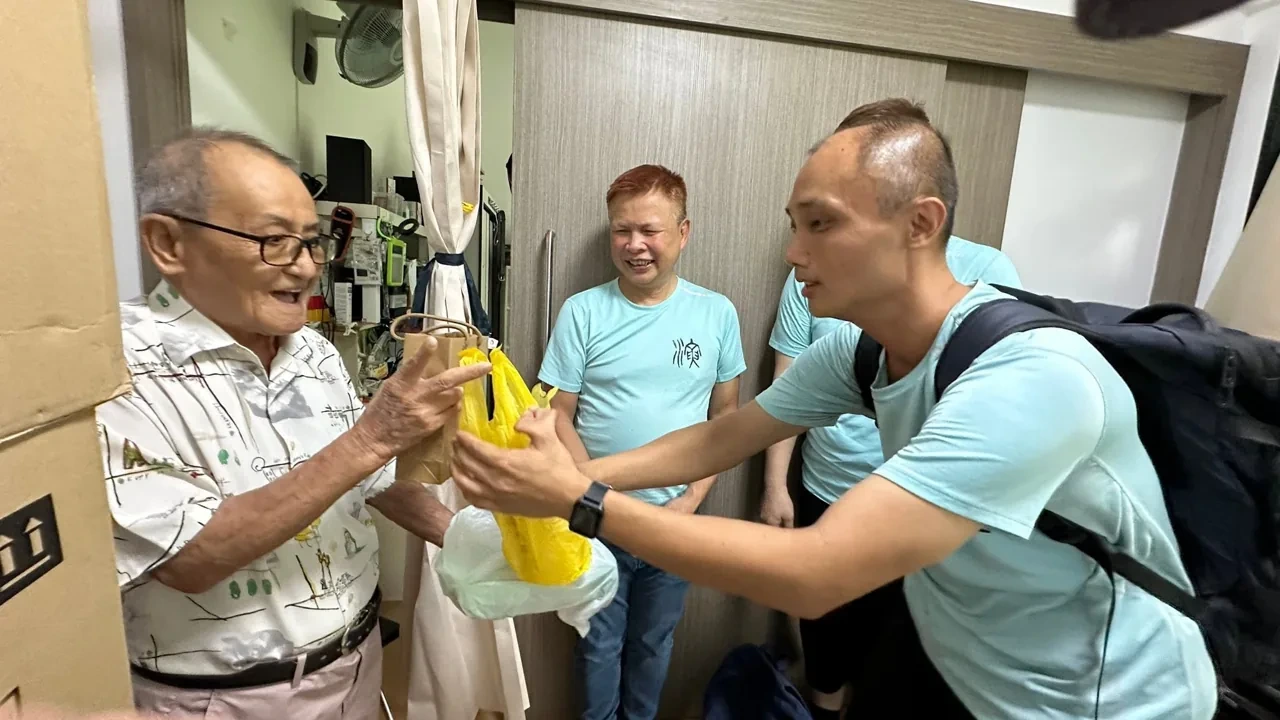
JJFILM’s visit to Mr. Wong was more than a visit to a respected senior filmmaker. It gave a younger generation of learners the opportunity to meet someone who had personally experienced different eras of the film industry and to hear knowledge accumulated through decades of filmmaking, production and teaching.
During the exchange, Mr. Wong drew upon his experiences as a director, cinematographer and educator to discuss character analysis, discipline on set, communication between directors and actors, the relationship between cinematography and performance, production judgement, teamwork, professional conduct and responsibility.
FOUNDATION / OBSERVATION / DISCIPLINE
A Professional Foundation That Began with Film Photography
When Yeo Sze Liang first studied photography under Mr. Wong, the training did not begin with sophisticated equipment or advanced techniques. It started with observation, composition, light and exposure. Mr. Wong insisted on building a foundation through film photography so students could understand the relationship between light, composition and image formation. Only after nearly a year did training progress into moving images, video production, lighting design, visual language and cinematography.
In an era without instant playback, automatic correction or digital post-production, every exposure, composition and shot demanded careful observation, judgement and thought before the shutter was pressed or the camera began to roll.
Build the foundation before mastering the technique.
Learn to observe before learning to express.
This rigorous approach to training—and its emphasis on fundamentals, professionalism and discipline—had a lasting influence on Yeo Sze Liang’s subsequent learning and creative development. After completing his studies in Malaysia, he continued his education in Taiwan with a further year of specialised film and media studies.
From arts education in Malaysia to specialised film and media studies in Taiwan, and later into professional creative practice, each stage contributed to his development. Yet the fundamentals first emphasised by Mr. Wong—observation, discipline, professional standards and respect for the craft—remained an important foundation. Over time, these principles have continued through JJFILM and IFCA’s approach to screen talent development and filmmaking.
VALUES THAT ENDURE ACROSS GENERATIONS
Technology Changes. Some Things Do Not.
Cameras, production methods and technologies today are very different from those of the film era in which Mr. Wong began his career. Yet these professional values remain relevant across generations, and they are precisely what we hope younger filmmakers and performers will continue to understand, practise and carry forward.
FILM HERITAGE / WORKING TOOLS / MENTORSHIP
More Than Film Equipment — A Legacy Passed from Mentor to Student
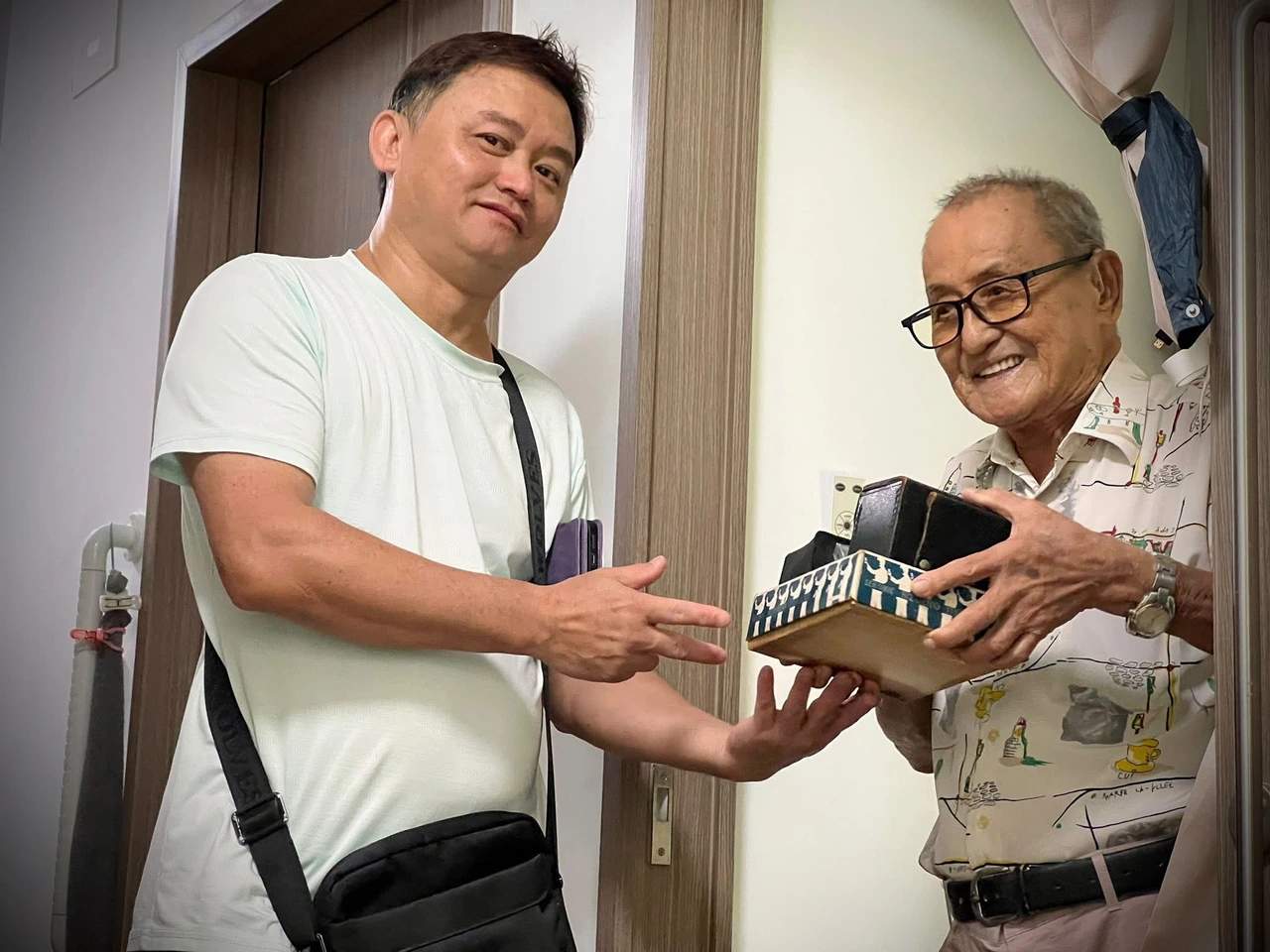
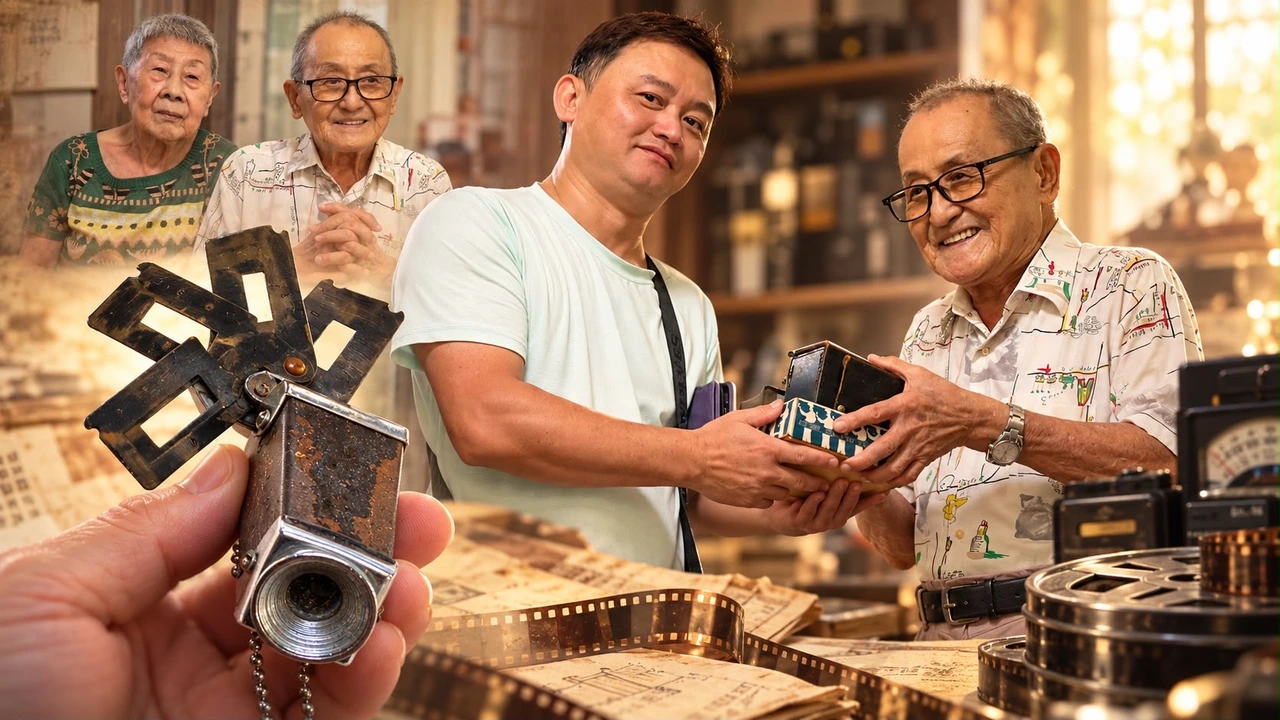
During this visit, Mr. Wong Kok Nam entrusted JJFILM director Yeo Sze Liang with a selection of film equipment and historical materials that he had personally used and preserved over several decades—a meaningful gesture of cinematic heritage passed from one generation to another.
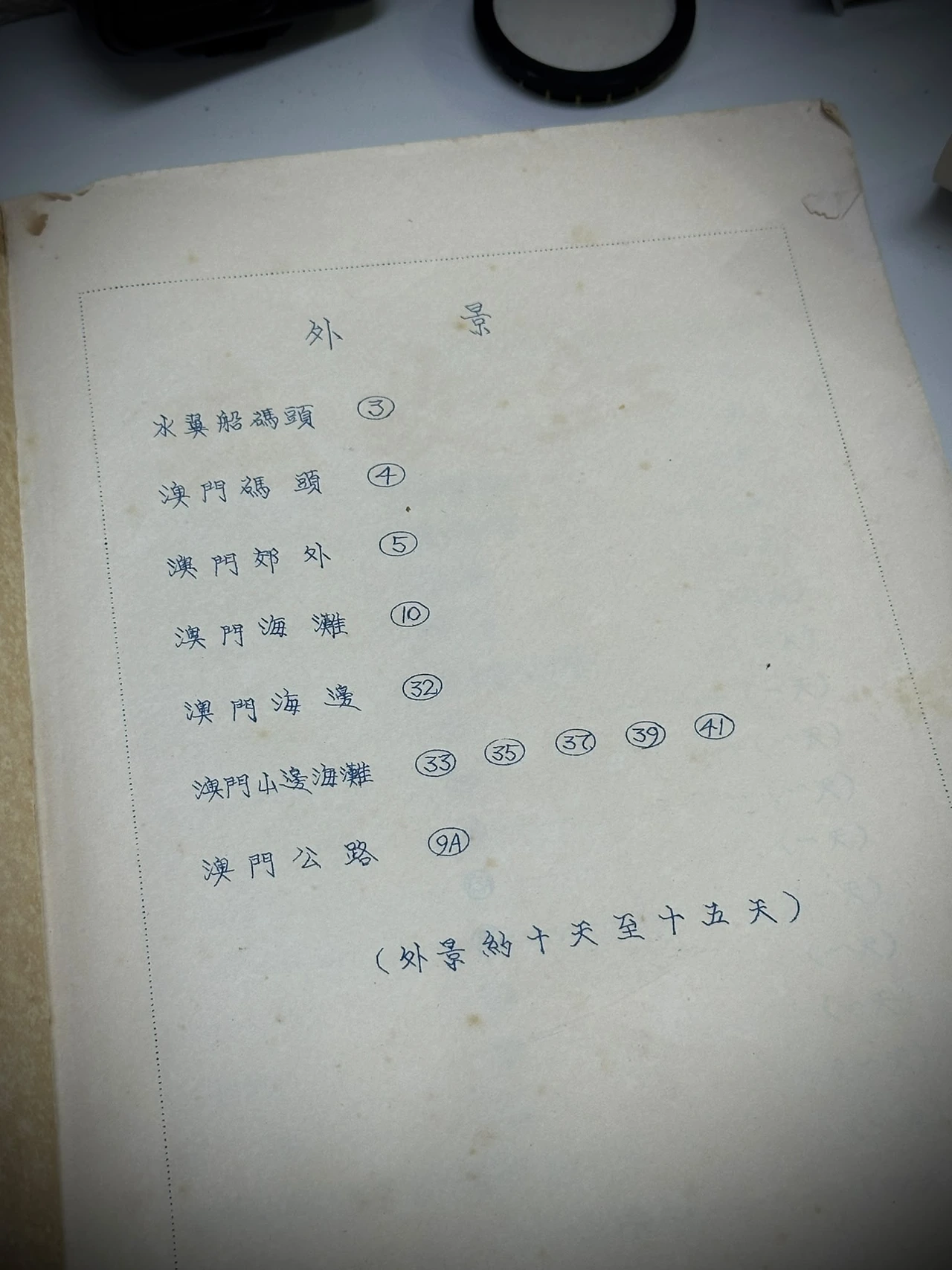
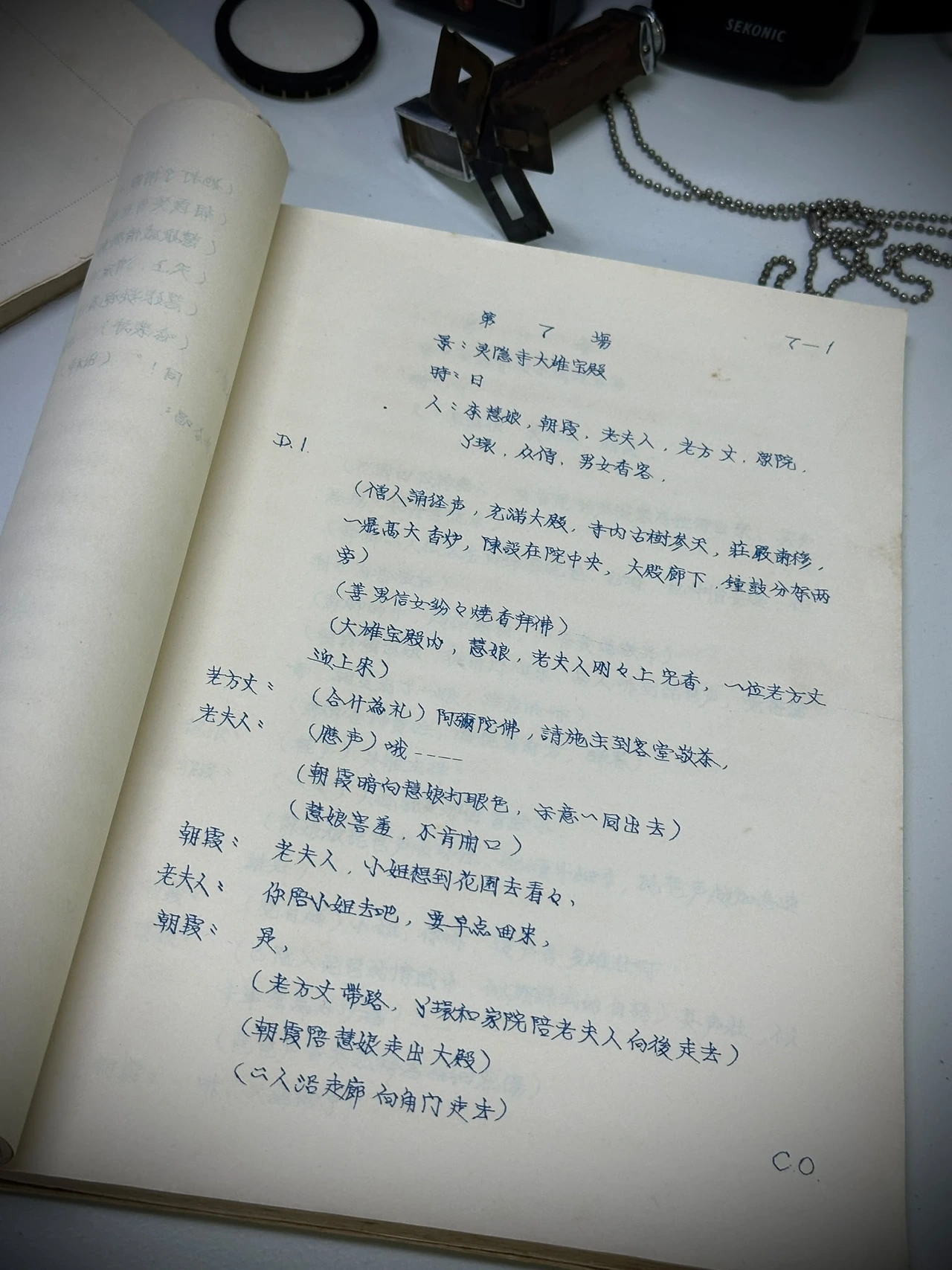
Among them are professional light meters once used in his cinematography work, a director’s / cinematographer’s viewfinder used to visualise composition and framing, as well as an original screenplay document dating from Hong Kong film production in 1965.
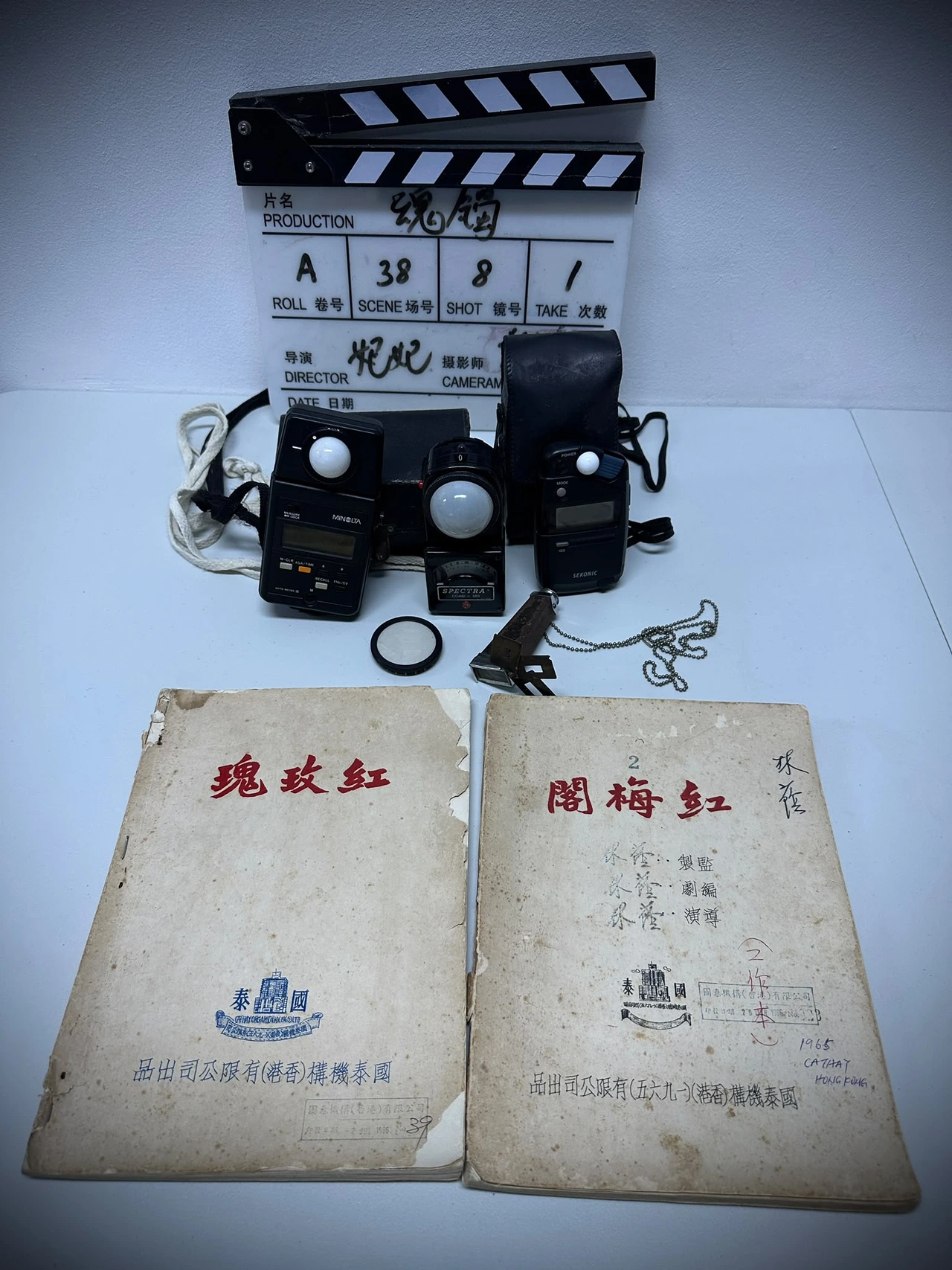
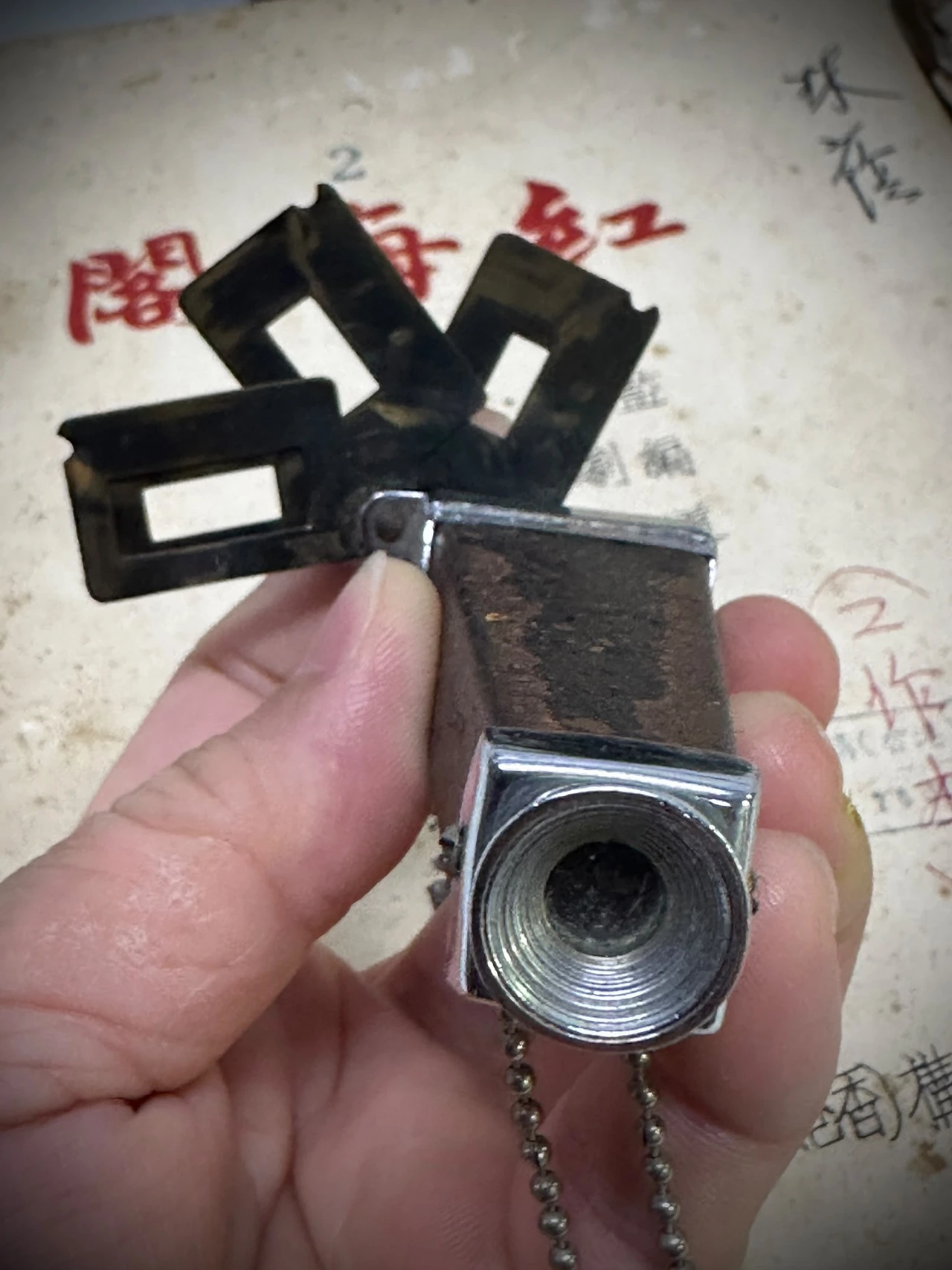
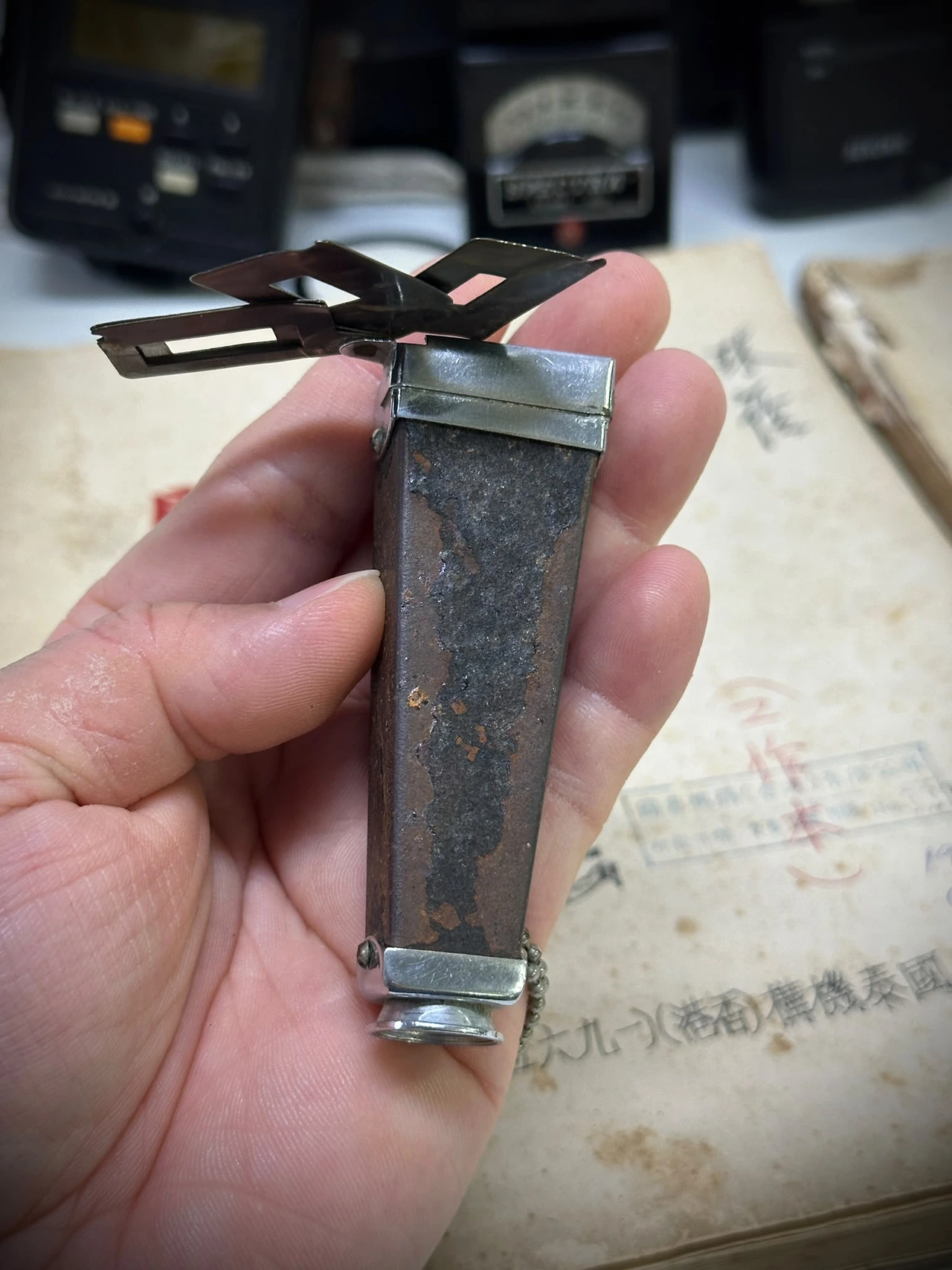
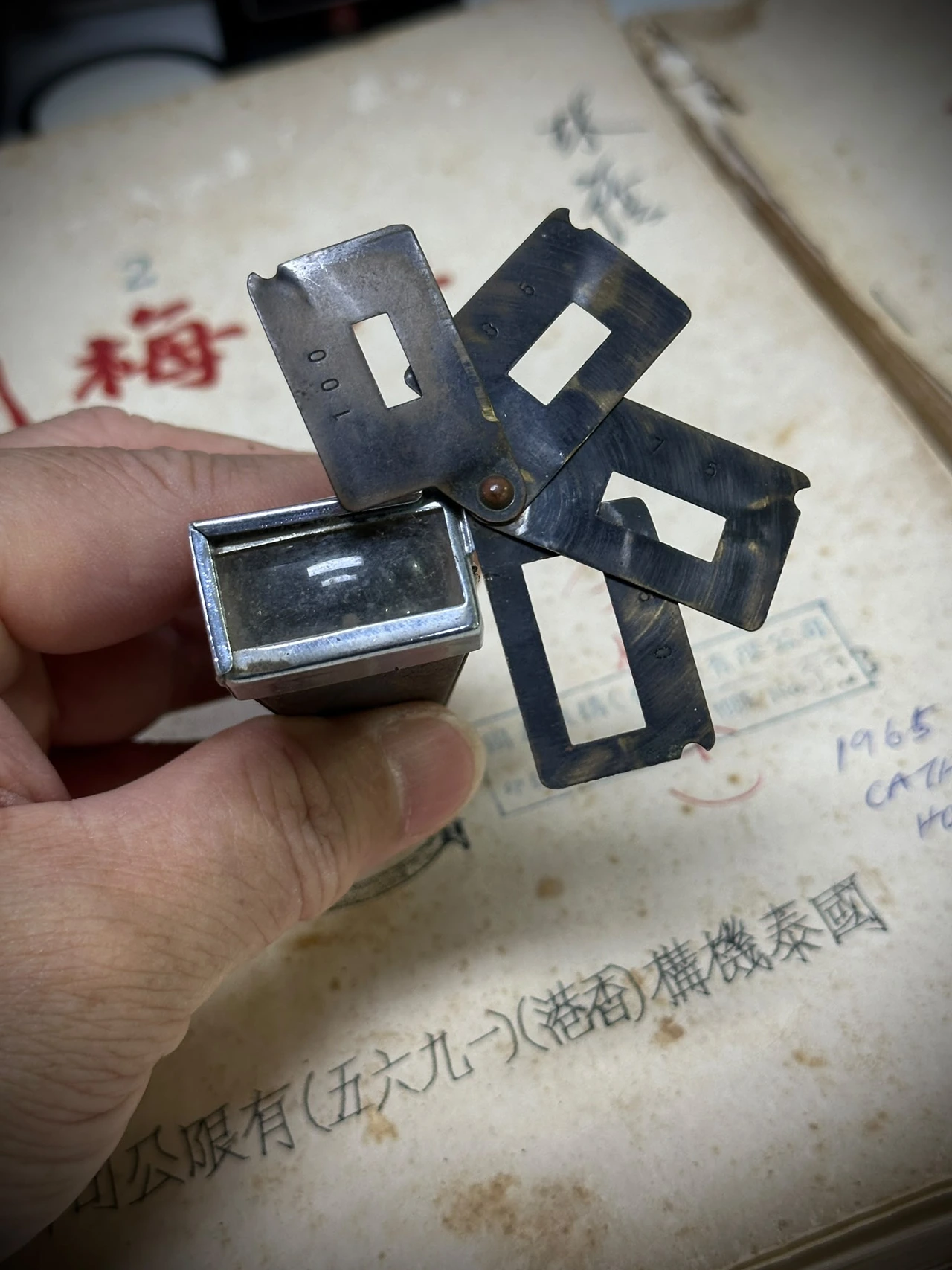
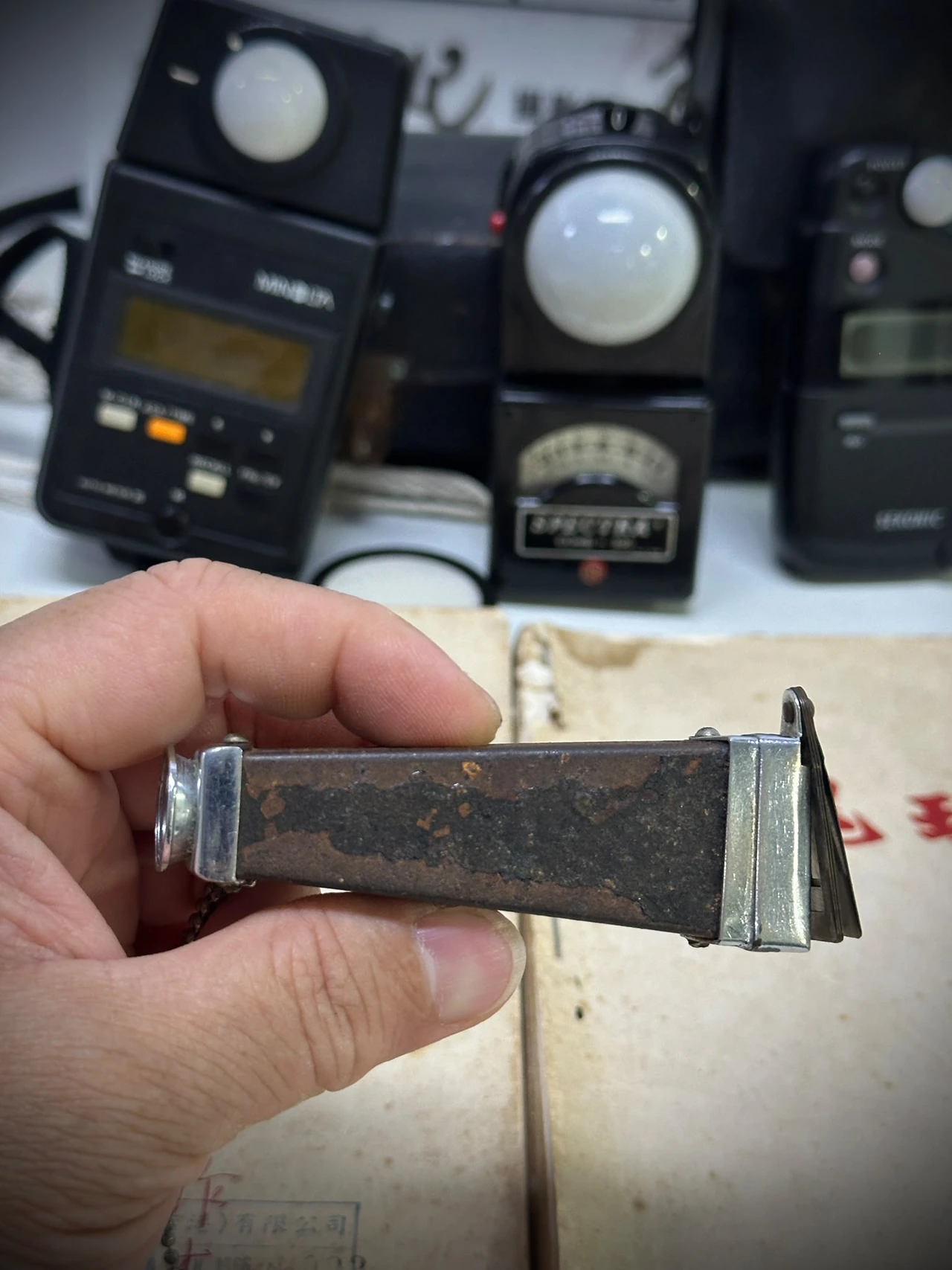
The significance of these objects lies not simply in their age. Before digital cinematography, filmmakers relied on light meters to evaluate illumination and exposure, and on optical viewfinders to anticipate composition and framing. A surviving production screenplay offers a tangible connection to the process through which filmmakers transformed written scenes into performance, shots and moving images.
These were working tools—objects once carried into the filmmaking process and used in the creation of images. Today, they remain physical witnesses to an earlier chapter of film history. For Yeo Sze Liang, however, their meaning is also deeply connected to mentorship.
1965 / PRODUCTION MATERIALS
A Screenplay Can Record the Working Methods of an Era
From learning the fundamentals of photography, light, exposure and composition under Mr. Wong in his younger years, to receiving these very tools from his mentor decades later, the moment represents something far greater than the transfer of historical objects. What a mentor passes to a student is not merely equipment, but the experience, professionalism and filmmaking spirit accumulated over a lifetime.
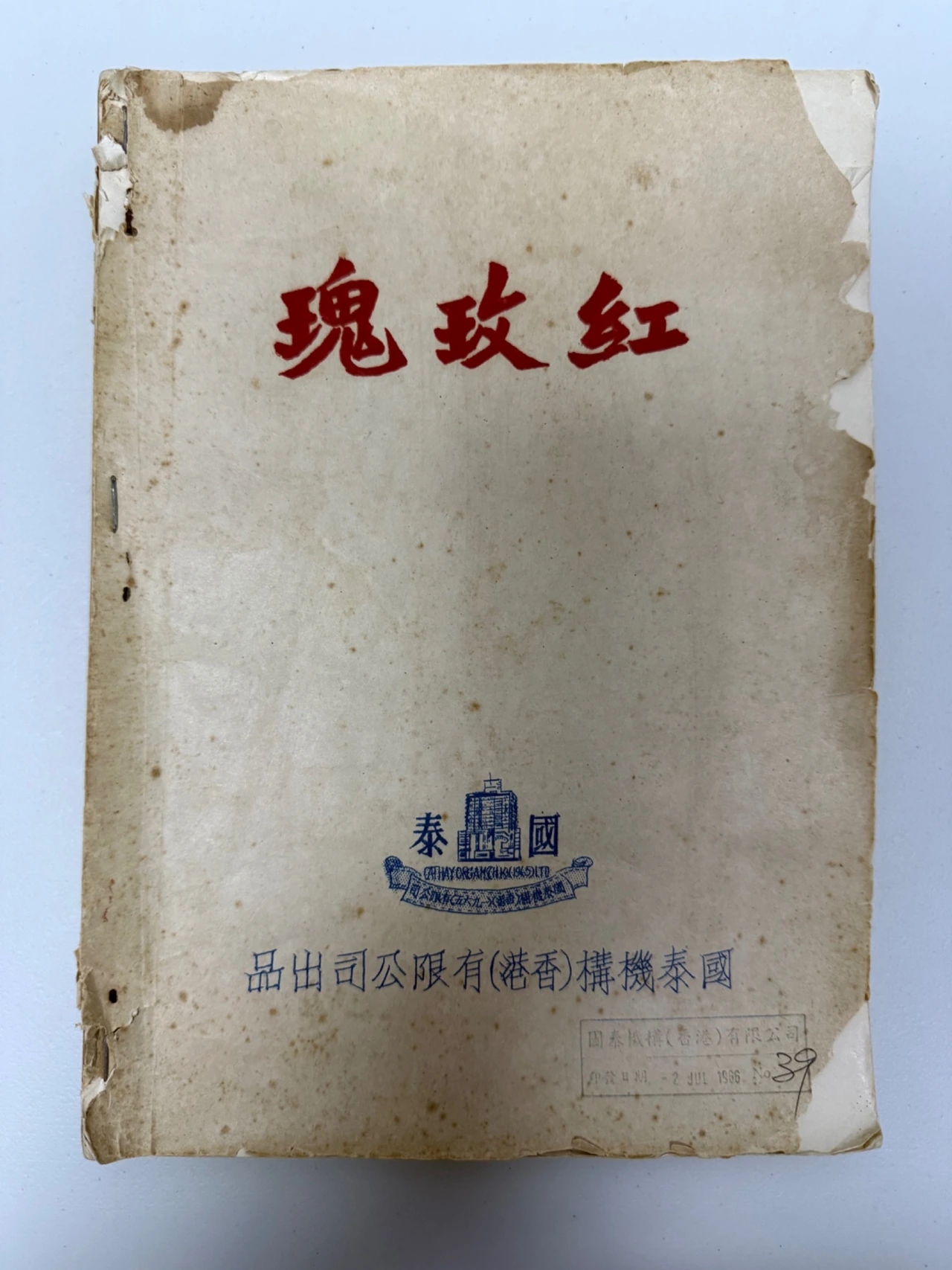
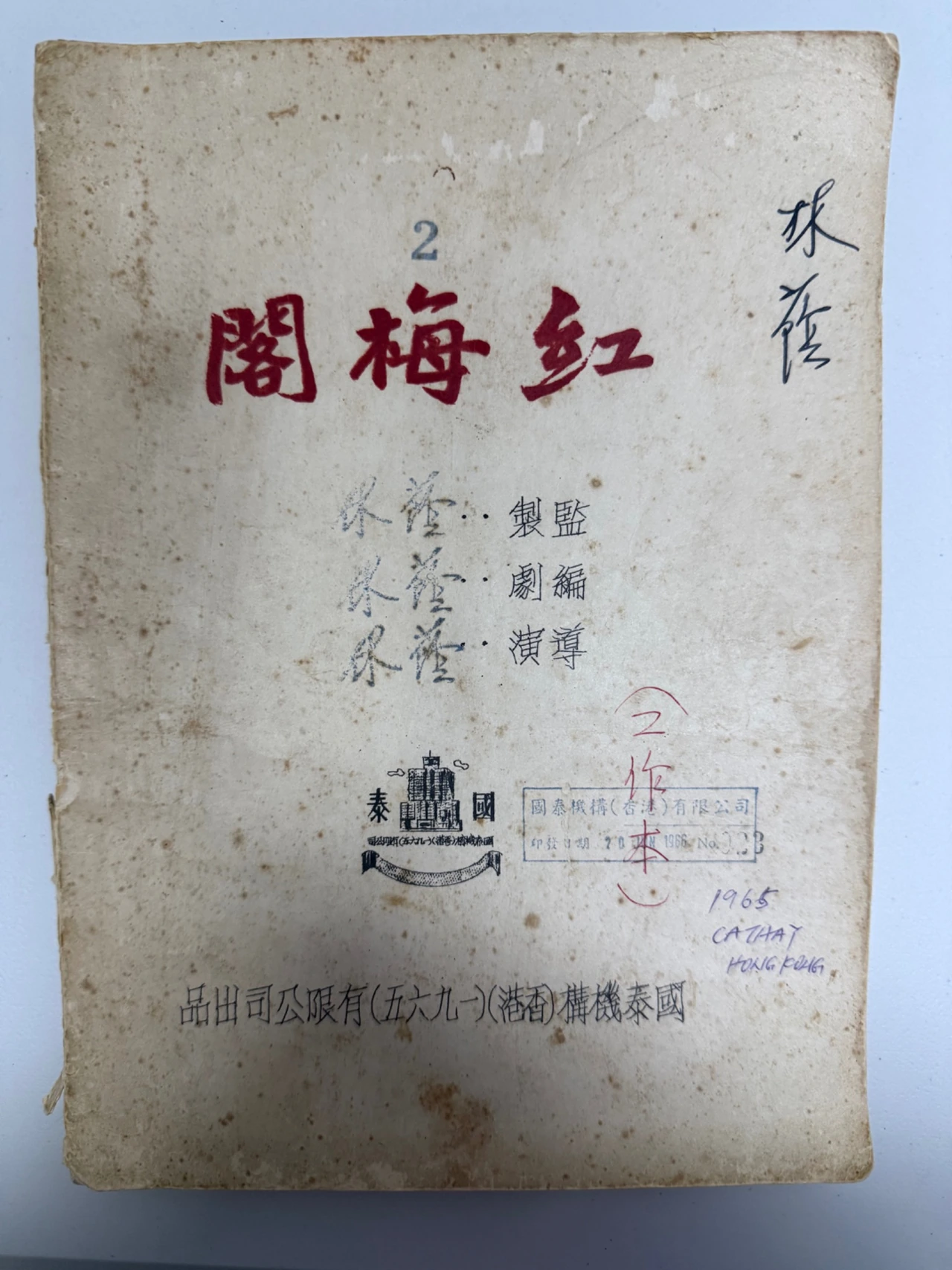
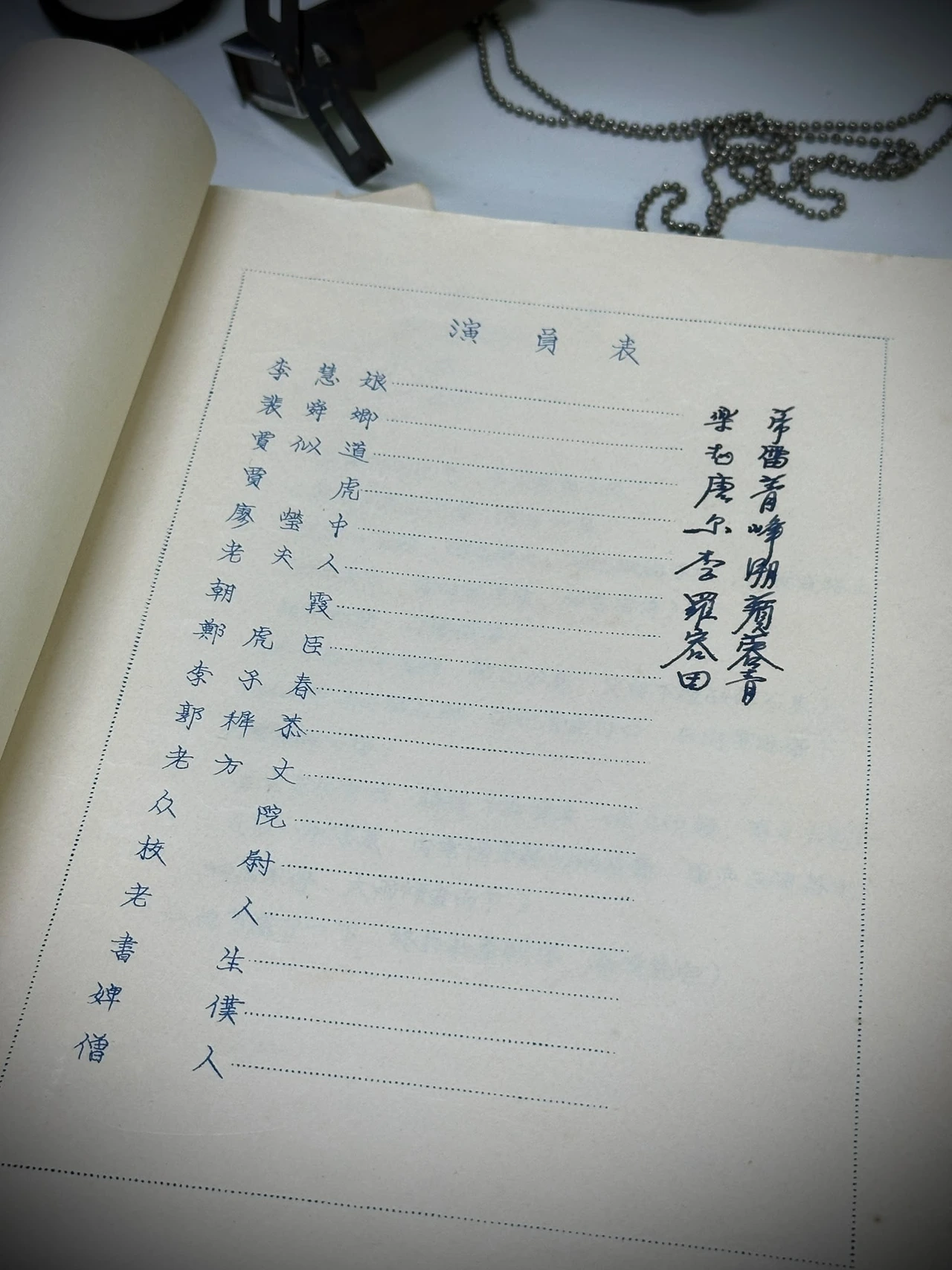
JJFILM will preserve these historically meaningful materials with care, with the hope that they may become part of IFCA’s screen education, film heritage presentation and future talent development. In this way, younger generations can encounter film history not only through textbooks or photographs, but through the actual tools and materials that once formed part of filmmaking.
ARCHIVE / FILM INDUSTRY MEMORY
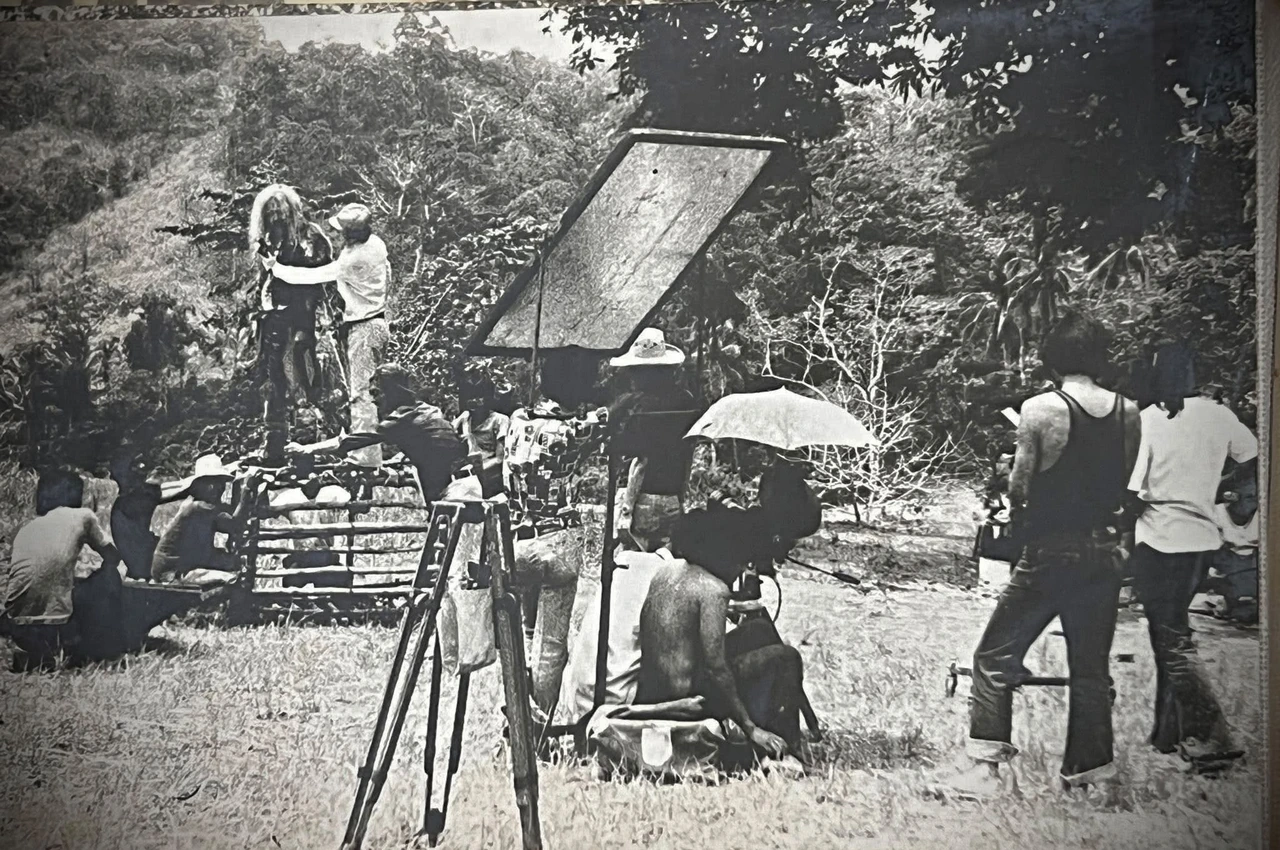
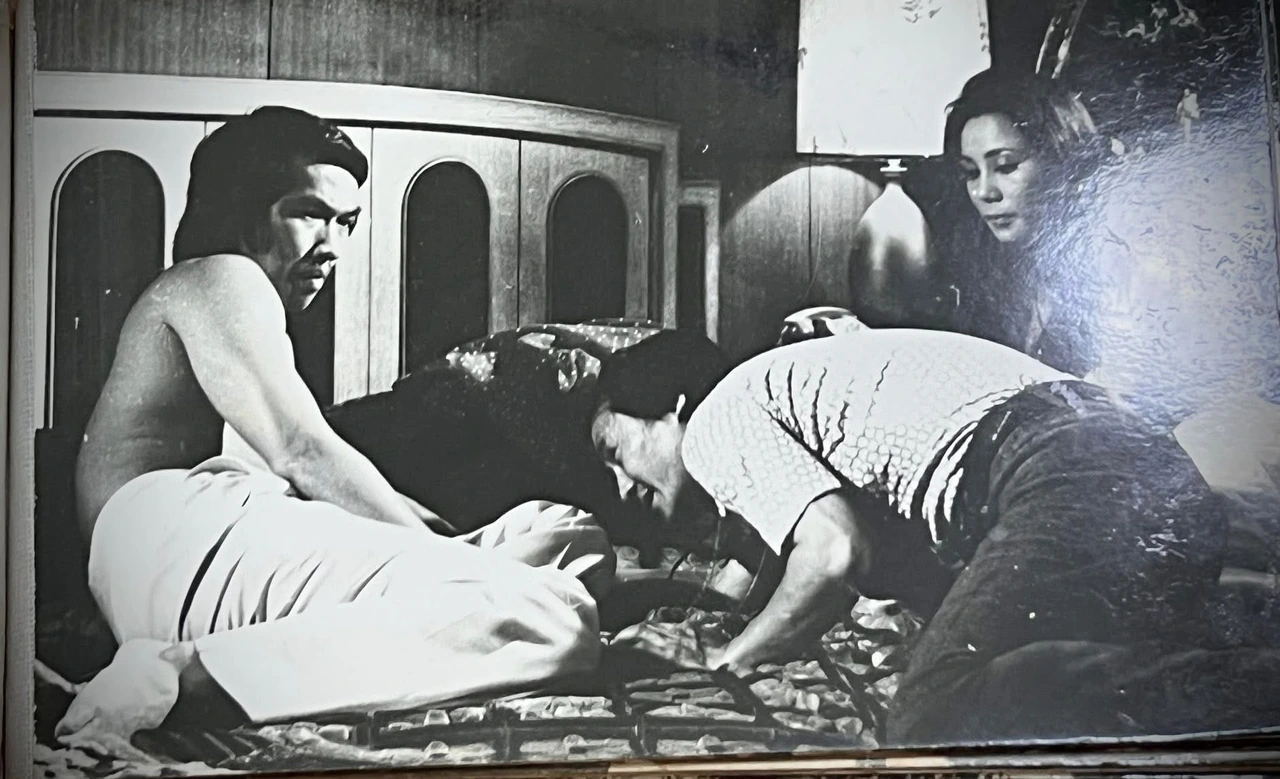
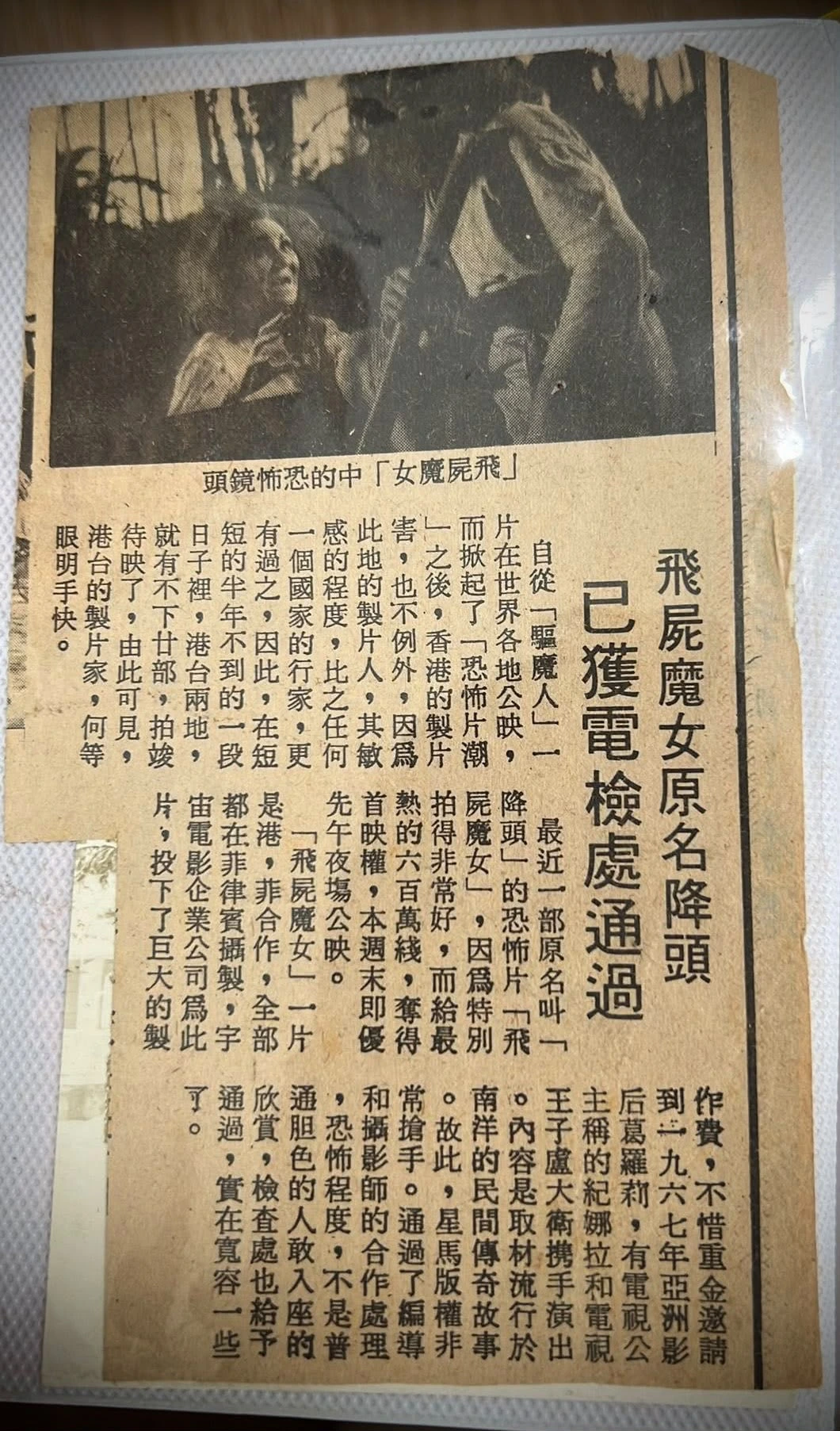
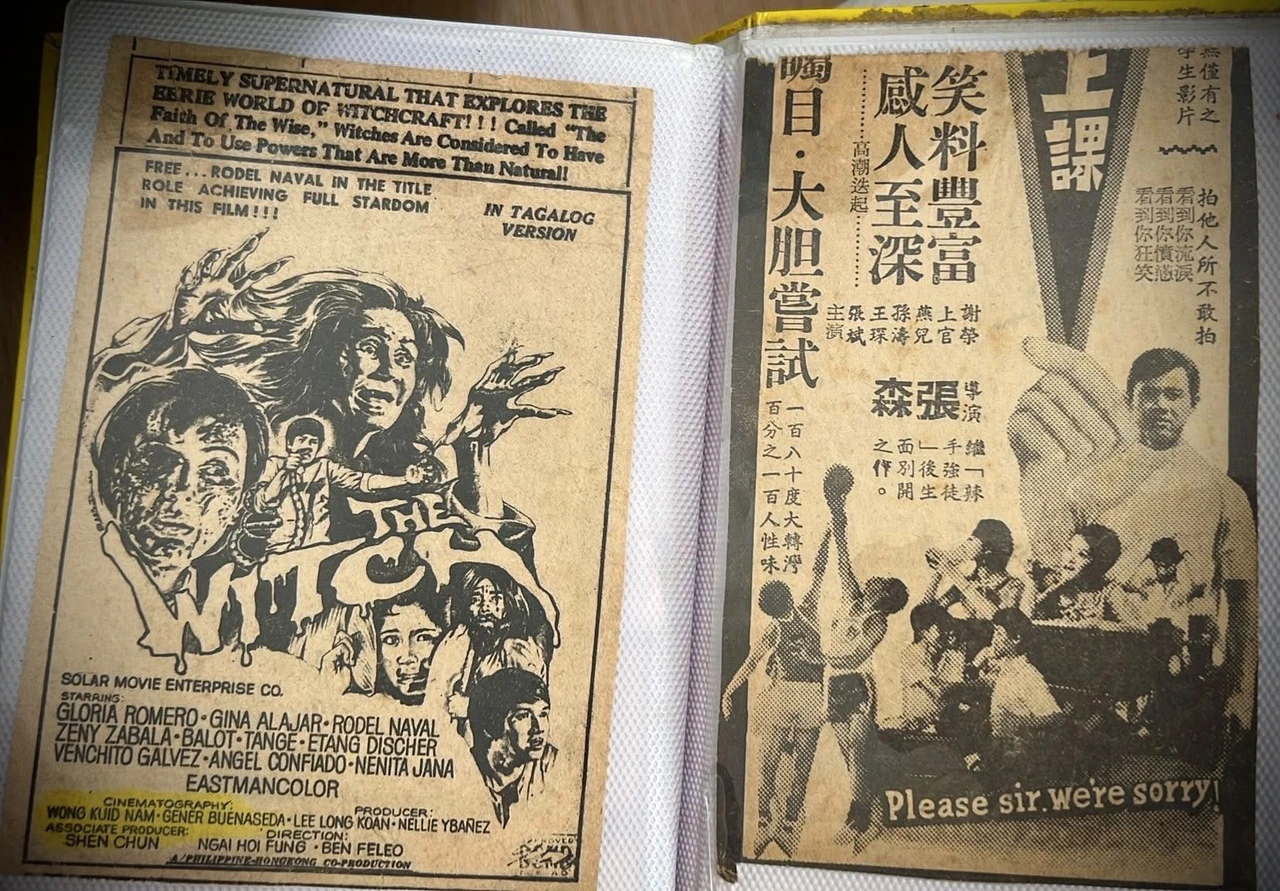
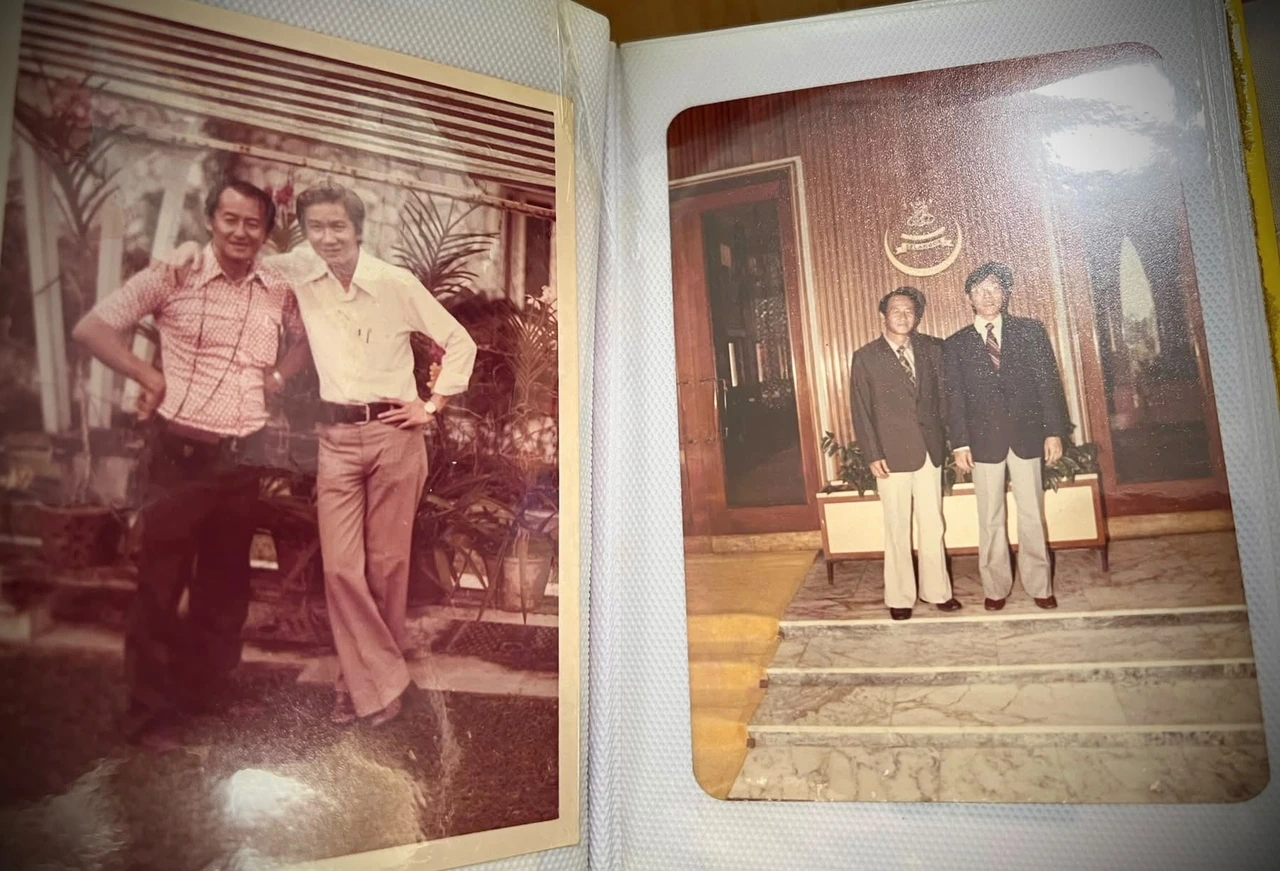
Film History through Photographs and Media Records
The photographs and media materials preserved by Mr. Wong record moments from his earlier years in the film and television industry. They document personal experience while also serving as historical witnesses to the working lives and industry environment of an earlier generation.
CONTINUITY / RESPONSIBILITY / NEXT GENERATION
Heritage Is Not Only About Preserving the Past — It Is About Carrying Experience and Spirit into the Next Generation
For JJFILM, this visit represents more than an exchange with a senior filmmaker. It represents learning, gratitude and continuity across generations. Mr. Wong accumulated knowledge through professional filmmaking and production, later brought that experience into the classroom in Malaysia, and passed part of that foundation to Yeo Sze Liang before he continued specialised film and media studies in Taiwan.
Decades later, the knowledge, experience and values once passed on continue through JJFILM and IFCA’s training programmes, talent development initiatives and practical film productions, reaching a new generation of learners.
What deserves to be carried forward is the professional experience, creative discipline, work ethic, integrity and lifelong commitment to learning that generations of filmmakers have developed through years of practice. Technology will advance, equipment will change and new tools will redefine moving-image production; yet the experience and spirit of filmmaking should never disappear between generations.
From the film sets of Hong Kong to the classrooms of Malaysia;
from teacher to student, and from today’s filmmakers to the next generation.
Let the paths travelled by one generation become a foundation for the next.
Let the experience accumulated by our predecessors remain alive despite changing times.
Let the professionalism and spirit of filmmaking continue to be practised, understood and passed on in a new era.
Because true continuity is not only about remembering where we came from.
It is about ensuring that the experience, values and spirit worth preserving continue their journey into the next generation.