The IFCA Acting Training System carries forward Konstantin Stanislavski’s actor-training principles and teaching philosophy as its core heritage. We deepen, adapt and extend this heritage through the practical demands of the contemporary screen industry, developing a professional teaching approach closely connected to screen language and modern production environments.
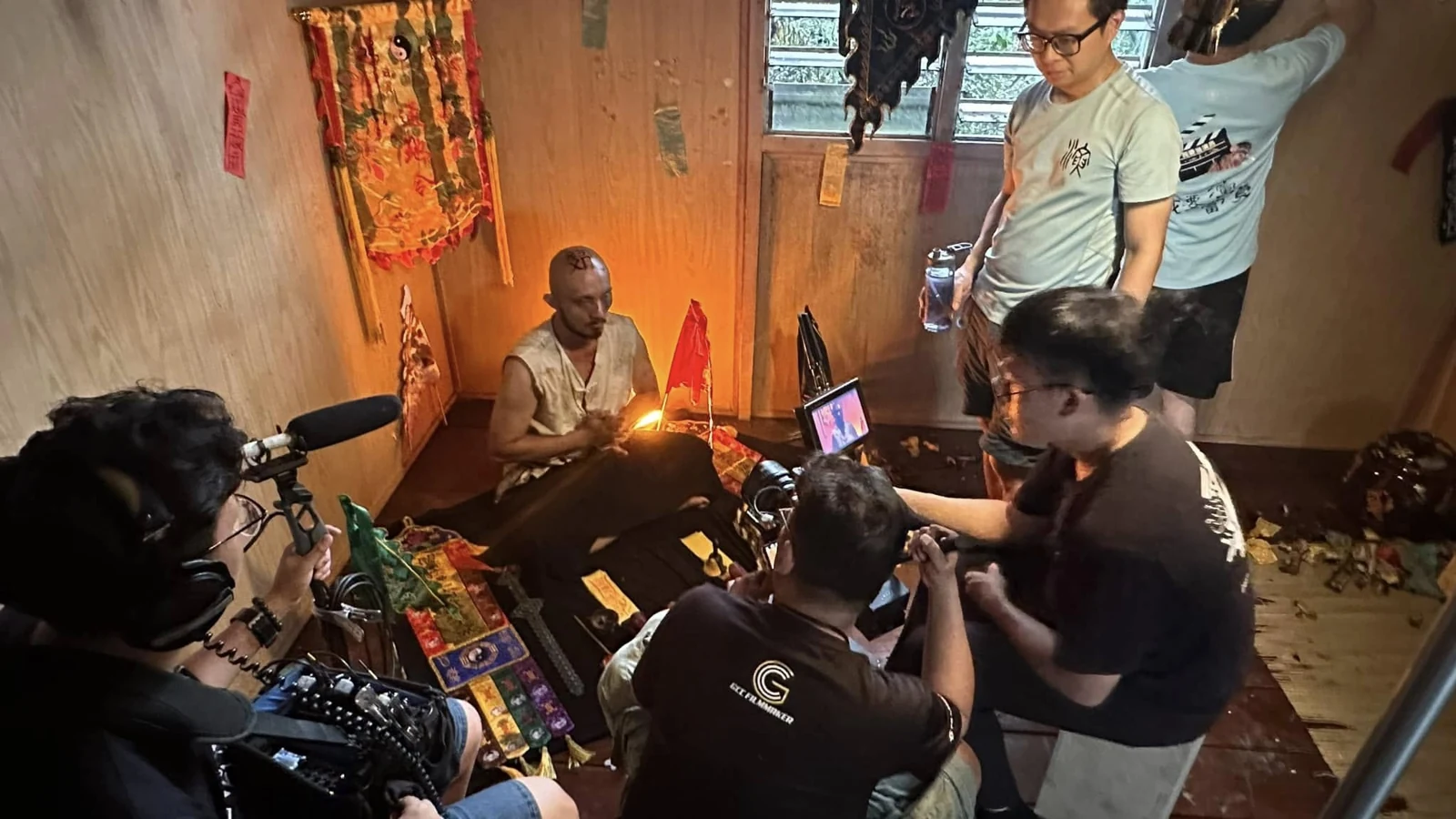
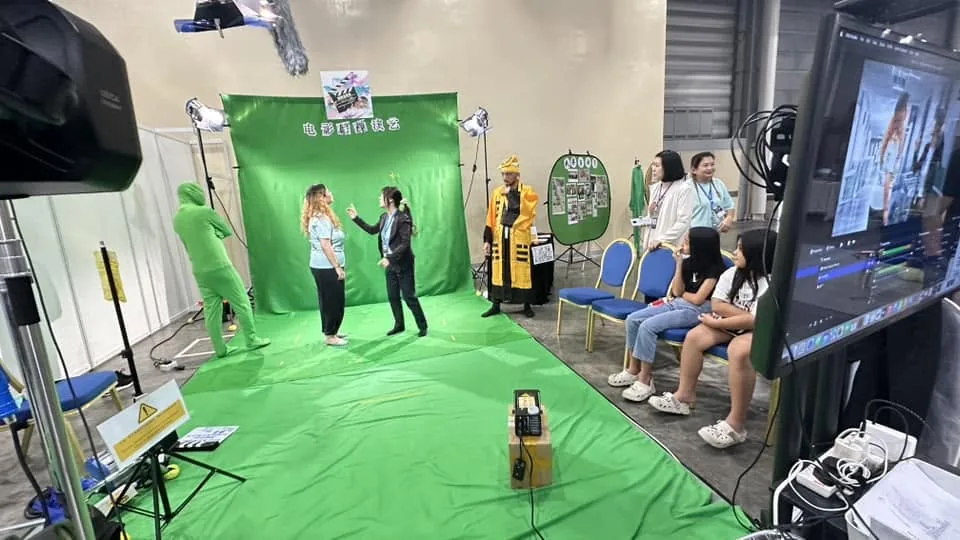
The curriculum centres on screen acting. It establishes a comprehensive, practically applicable actor-training system for films, television dramas, short films, new-media productions and real filming environments.
Training combines emotional truth with what the camera can convey, enabling actors to experience a character internally and communicate that character accurately on screen.
Some character-development approaches draw on established performance methodologies, including actor-training principles derived from the Stanislavski system, with specific adaptations for screen acting.
Systematic training covers character psychology, behavioural logic, emotional truth, objective-driven performance and the inner construction of a credible character state, alongside the technical and practical requirements of performing on camera.
Stage and screen each have their own conditions of expression. Building on actor-training principles, IFCA adapts its approach to the practical needs of screen performance, with attention to detail, control and technical collaboration in front of the camera.
The camera magnifies the smallest changes in an actor’s eyes, breathing, pauses and inner thought. Camera awareness, continuity, composition and technical coordination also directly affect the final performance. Actors therefore need strong emotional consistency, camera awareness and reliable technical execution.