01
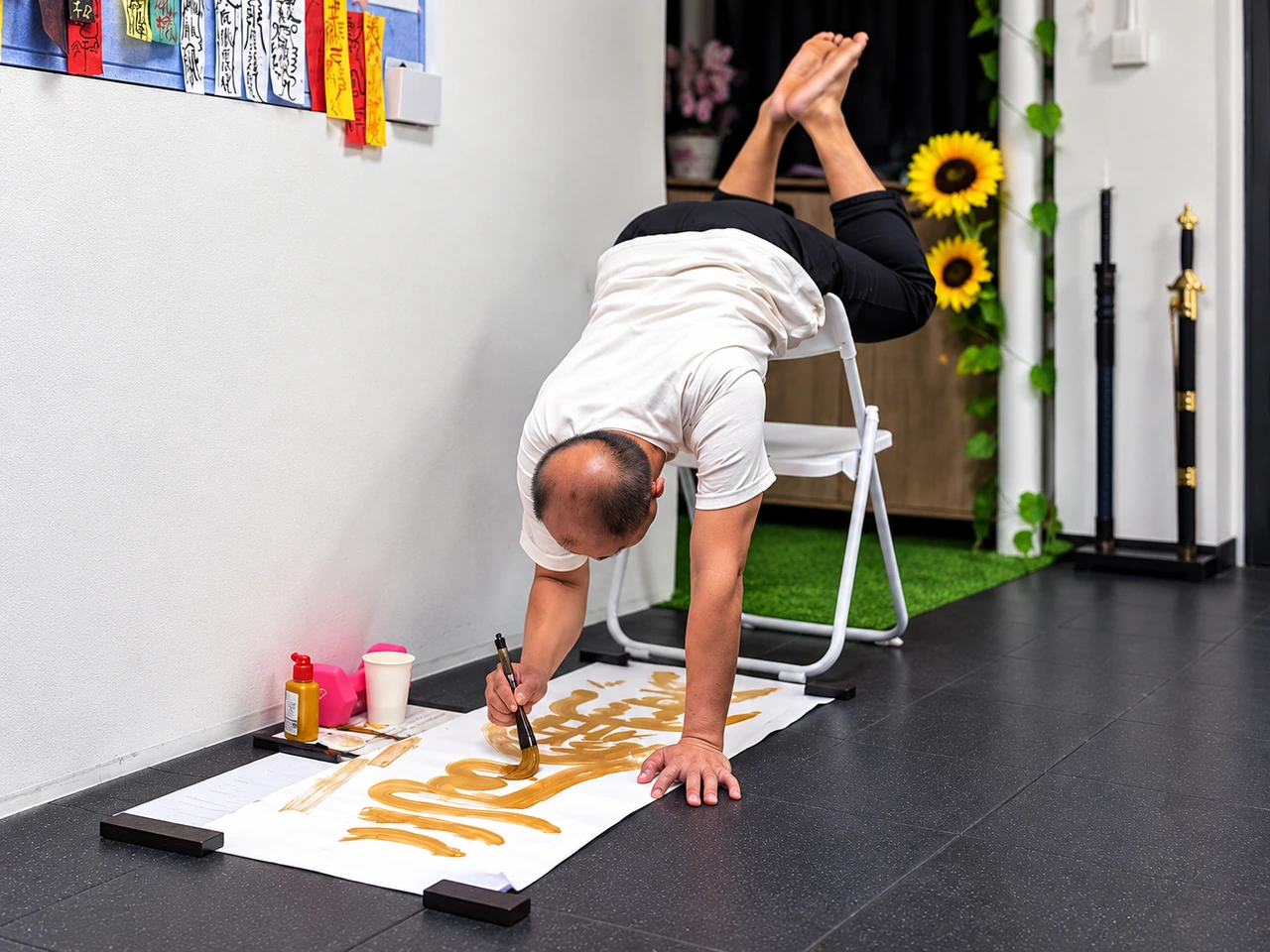
Pre-shoot rehearsal | Adapting to inverted writing
Rehearsal helps the actor adapt to changes in balance, breathing and hand control, and learn to complete the character’s task while physically inverted.
IFCA / LEARNING IN PRACTICE
学员实践与成长
From understanding in the classroom to practice in front of the camera. Every preparation, experience and collaboration is part of growth.
From Classroom to Set ↓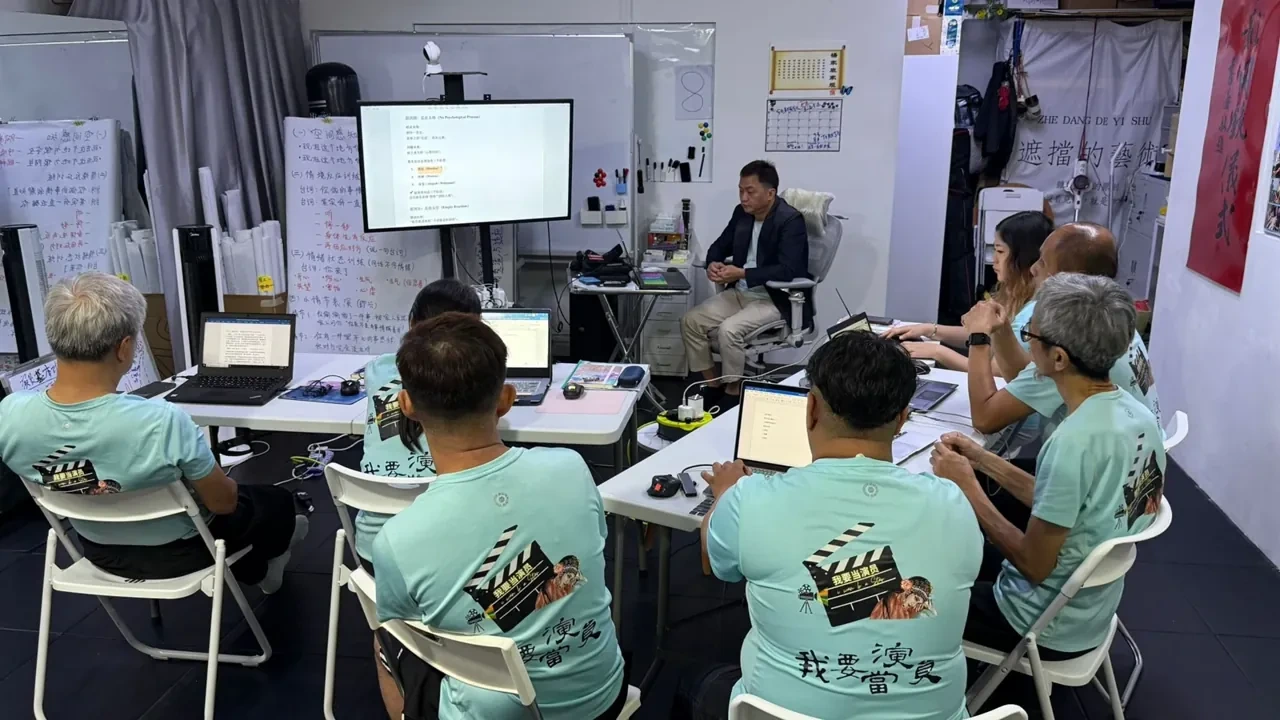
FROM CLASSROOM TO SET
We aim to develop actors who understand character and screen performance, as well as the filmmaking process and how to work with a crew. From character motivation, behaviour and emotional expression to screen language, camera position, blocking, lighting and sound, students learn to connect performance with the needs of filming so that the character comes through clearly on screen.
Through classroom discussion, research, role preparation, camera exercises and participation on working sets, students gradually put understanding into practice. Exposure to the work of different departments helps them see how camera, lighting, sound and on-set coordination serve the story together. They learn to respect professional expertise, follow on-set discipline and develop their screen performance through communication and collaboration.
01 LEARNING STEP
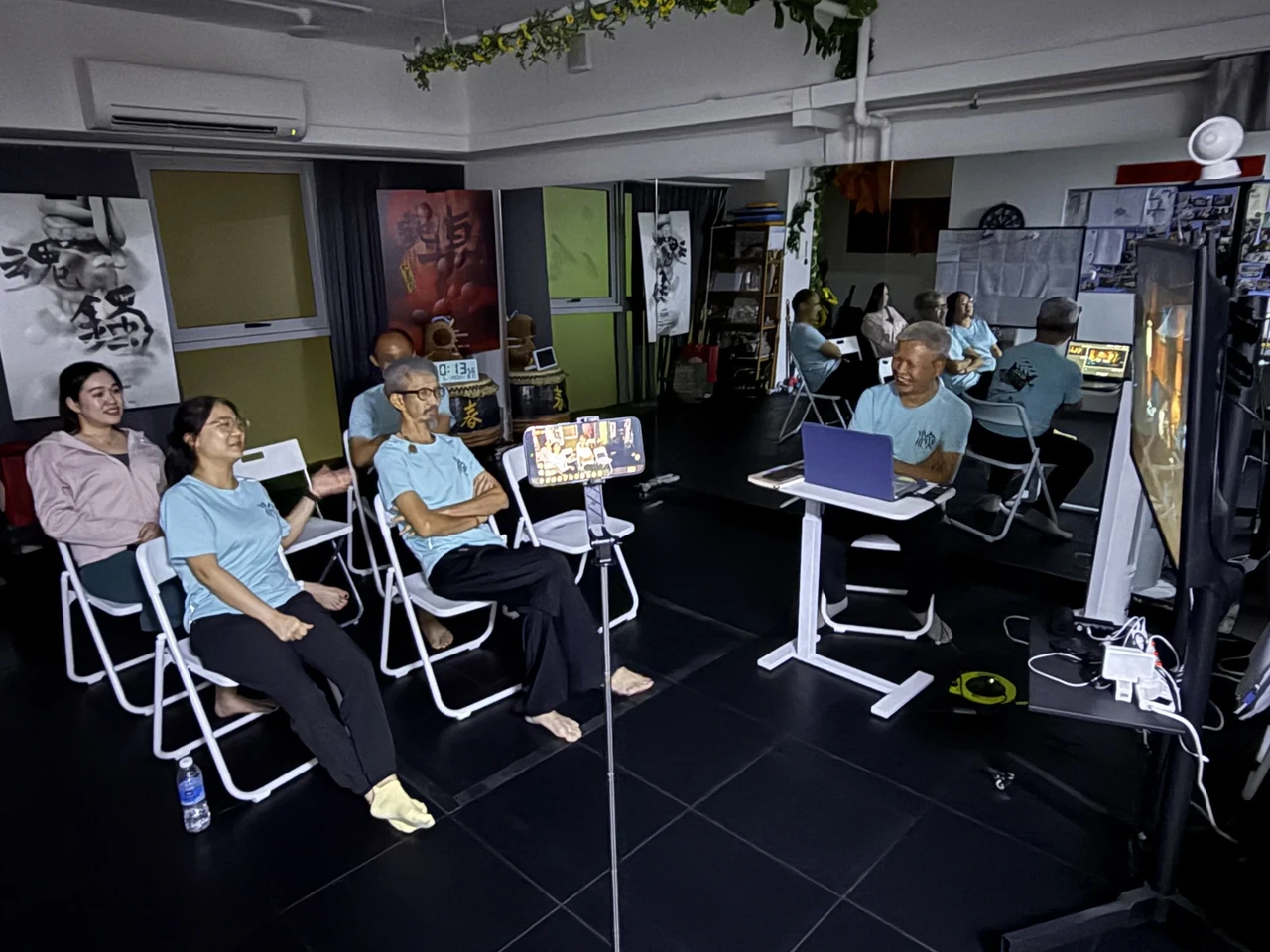
Students watch films together and, guided by the director, examine character motivation, the logic behind actions, emotional changes and performance choices. They ask why a character acts a certain way and how gaze, movement, pauses and rhythm convey emotion. Studying cinematic language also helps them understand how acting works with camera, lighting and blocking, connecting character analysis with performance suited to the screen.
Students across age groups participate, including learners in their sixties who continue developing character understanding through film analysis and sharing. Life experience can inform a character, but interpretations still need to be tested against the story and the character’s circumstances. Discussion across generations encourages students to consider other perspectives and explain their observations clearly, turning personal experience into deliberate performance choices.
Classroom learning goes beyond watching and listening. Notes, questions, group discussion and interactive exercises help students organise their observations, then test them through role preparation and camera practice. The emphasis is on explaining the reasoning behind a performance, understanding the director’s requirements and refining choices through playback and adjustment, rather than simply copying an expression or gesture. This process builds a foundation for screen performance and the technical collaboration required on a working set.
At Singapore’s National Library, students consult historical references as part of preparing a role before filming. They explore the character’s period, living environment and cultural context. A character does not exist in isolation: social relationships, everyday habits and cultural beliefs can shape speech, behaviour and decisions. Research helps actors ground these details in evidence rather than relying on imagination alone.
Research requires interpretation and judgement, not just the collection of information. Students consider which findings relate to the role, which details can inform script analysis and how the background clarifies motivation and behaviour. Older learners also continue this work, comparing life experience with new references to deepen their understanding of character.
Shared research and discussion bring historical and cultural context back into character relationships, emotions and actions. Actors can then ask why the character responds in a particular way and which performance details fit that person’s life and circumstances. The aim is to develop a habit of understanding, practising and reviewing, so that the character on screen has a grounded background, coherent behaviour and a sense of authenticity.
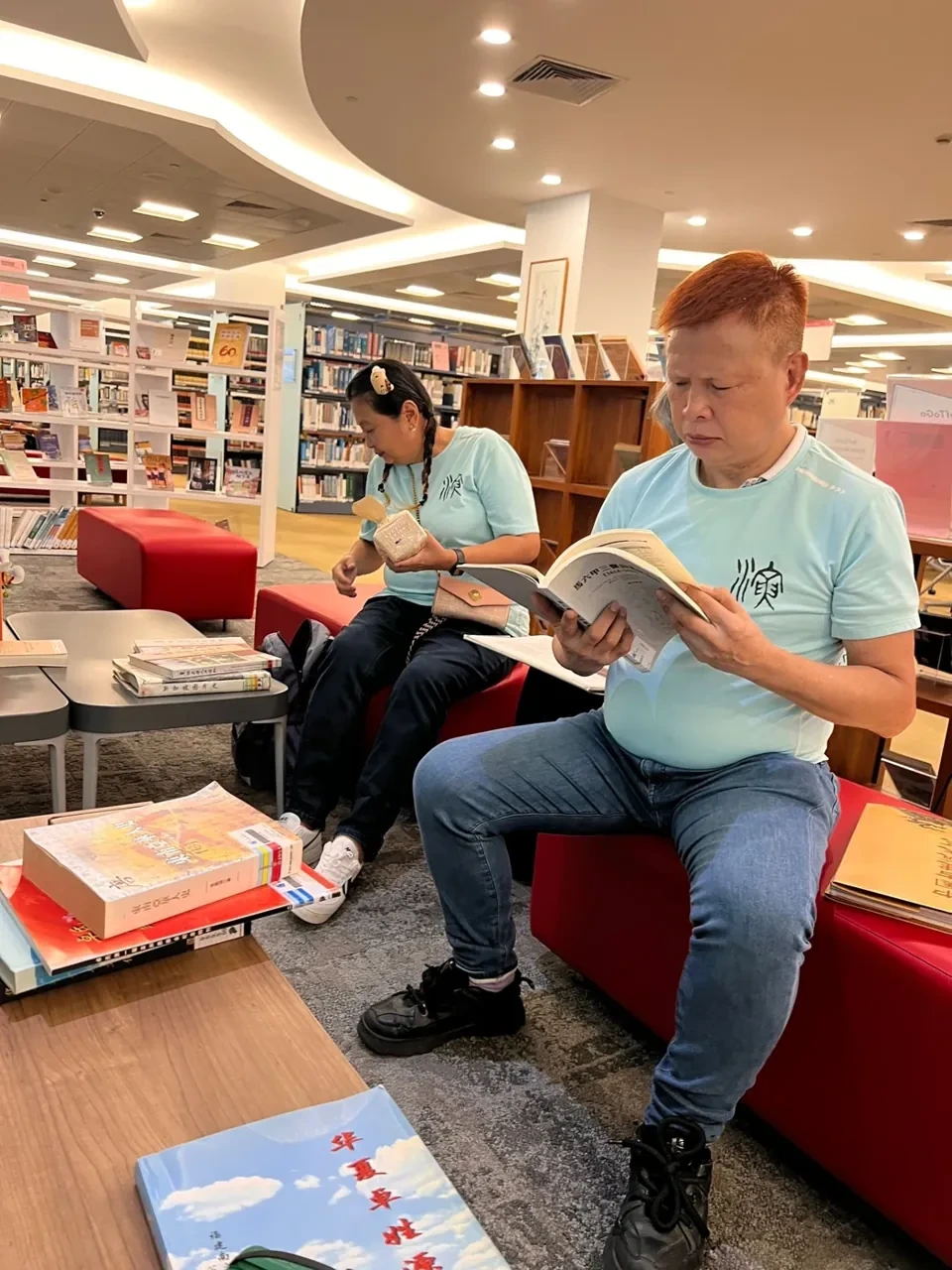
Observation · Analysis · Character understanding
02 LEARNING STEP
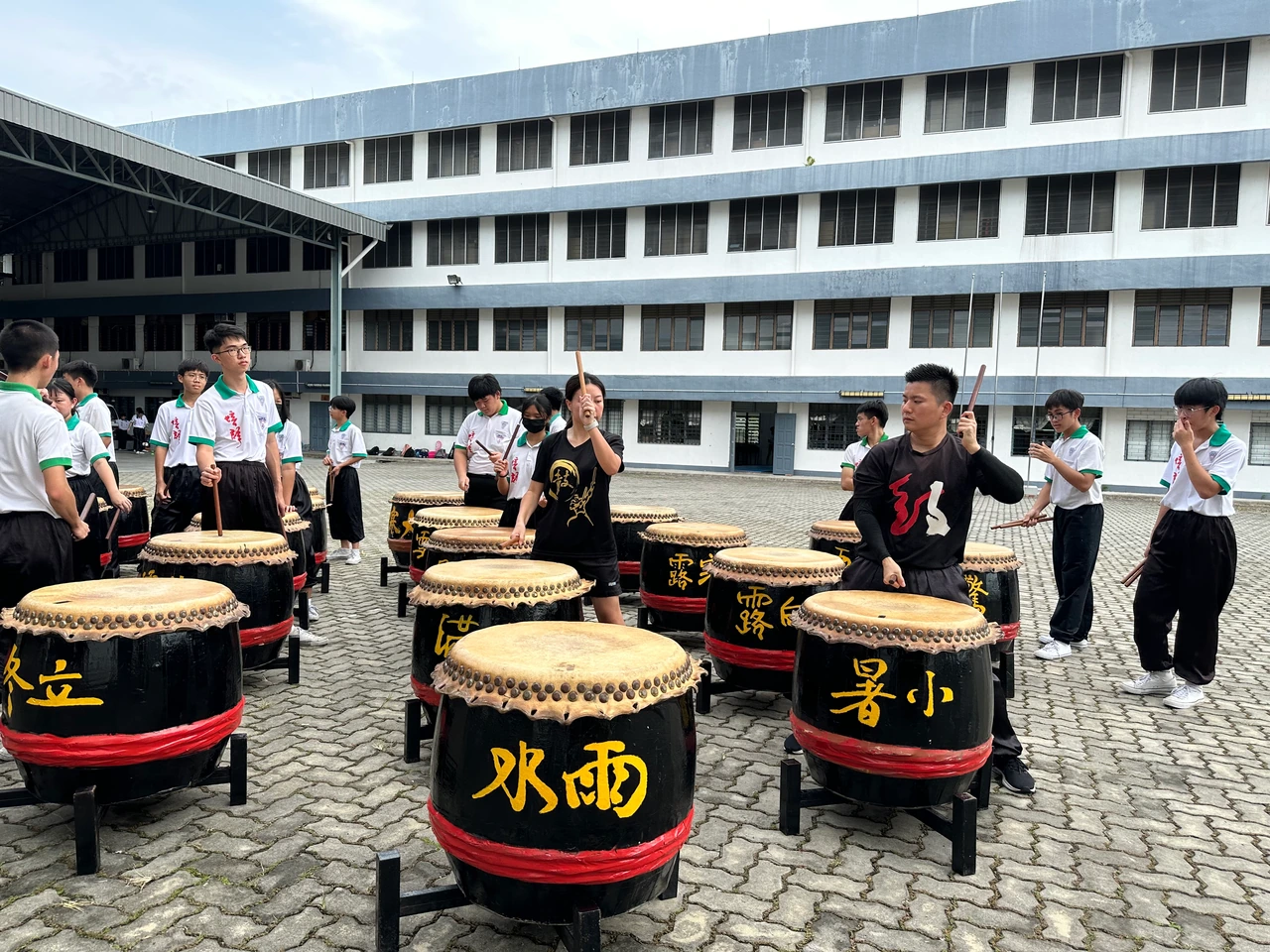
The skills a role requires come from thorough, specific preparation before filming. Students practise 24 Festive Drums to meet the needs of the story, gradually becoming familiar with the drumming movements, rhythm and physical coordination. Connecting these abilities with the character’s identity builds a foundation for performance on camera.
The aim is to move from consciously remembering each action to a familiar, natural response through repeated training—the embodied memory described here as “body memory cells”. In the story, the actor must play the drums while shedding tears, allowing physical action and the character’s emotions to coexist. Having to keep thinking about the next drumming movement can draw attention away from the character’s circumstances and emotional state. Preparation therefore develops the force, rhythm and continuity of the movements while making room for emotional expression. With the drumming familiar, the actor can remain immersed in the character’s feelings, allowing tears, movement and rhythm to convey the character’s state together.
Moving from practice to filming, actors must integrate familiar movements into the story and adjust to the camera, blocking and the director’s on-set requirements. We value students taking initiative in preparing a role: understanding the abilities the character needs and investing time in practice. This gives the actions a grounded basis and the details a sense of authenticity, bringing role preparation into the work on set.
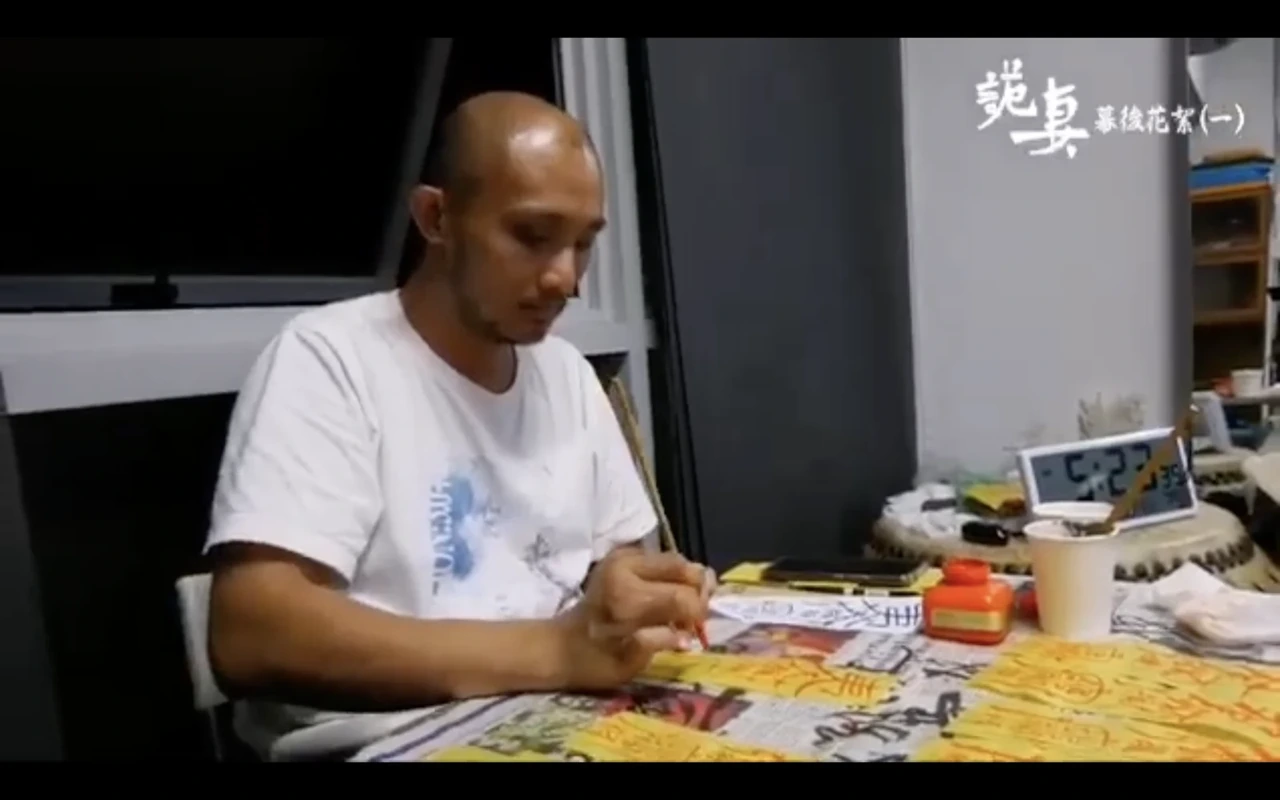
For a ritual master role, students repeatedly practise talisman drawing, connecting the rhythm of their brushwork with the character’s identity. The aim is not simply to reproduce the shapes, but to become familiar enough with the movement to draw fluently in one continuous action. Repeated practice makes the handling of the brush and each stroke look like something the character does regularly, avoiding stiffness or hesitation and giving the character’s everyday habits and professional identity a sense of authenticity. The paper talisman props used in filming are also handwritten by the student, bringing role preparation into the objects actually used on set.
We value an actor’s familiarity with the objects a character encounters in everyday life: picking them up, using them and putting them down should feel as natural as handling their own belongings. Professional preparation means taking the initiative to understand what the role needs and accepting responsibility for the practice and preparation they can undertake, while collaborating with the production team, rather than simply waiting for the props department to supply everything. This commitment makes performance details more believable and reflects a professional attitude towards both the role and the work.
Different characters require different physical states and movement logic. The snake-spirit exercise goes beyond imitating an outward appearance: it develops the character’s distinctive ways of moving through balance, movement pathways, rhythm and pauses. Students also use VFX and shot planning to understand in advance which movements, eyelines and reactions will be completed through post-production effects. Repeated practice reduces the sense of consciously thinking about each movement. Even when the visual-effects element is not physically present, actors maintain clear spatial relationships and grounded reactions, allowing physical performance, camera blocking and visual effects to connect in post-production.
Role preparation extends beyond script analysis. Students actively enter environments their characters may encounter, observing work routines, daily rhythms and practical skills. Experiences such as spending time in a pineapple-farm setting and learning basic boat handling turn imagined character circumstances into lived physical and sensory reference. The goal is not simply to acquire a skill, but to build usable character experience that informs how the person works, moves and relates to the environment, giving performance details a more grounded and credible basis on camera.
Real environment · Skill experience · Character experience
Some screen actions and reactions must be coordinated with specialist props, camera timing and safety requirements. Before filming, students rehearse in a controlled environment with the kinds of props used in the scene—for example, practising how to manage distance, eyeline, physical response and timing around breakaway glass props while following safety direction. The purpose is not spectacle, but familiarity: reducing hesitation around unfamiliar props and sudden effects so attention can remain on character, scene partners and camera requirements, allowing the prop effect to serve the story.
Scene rehearsal · Prop familiarity · Reaction timing · Safety awareness
Role requirements · Focused rehearsal · Attention to detail
03 LEARNING STEP
Foundational filming exercises and practical assessments in Singapore introduce students to the camera, on-set directions and teamwork. Practice and playback help them adjust their performances and develop readiness for a production environment.
Camera awareness · Collaboration · Practice and adjustment
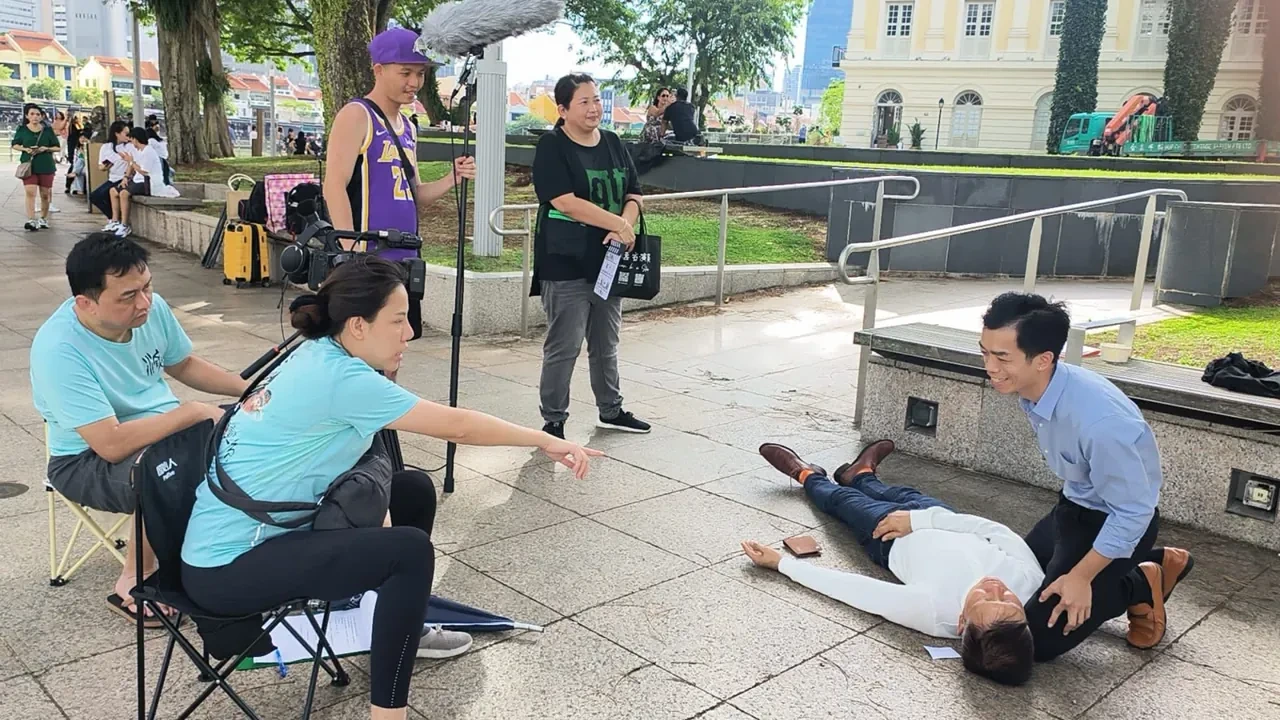
04 LEARNING STEP
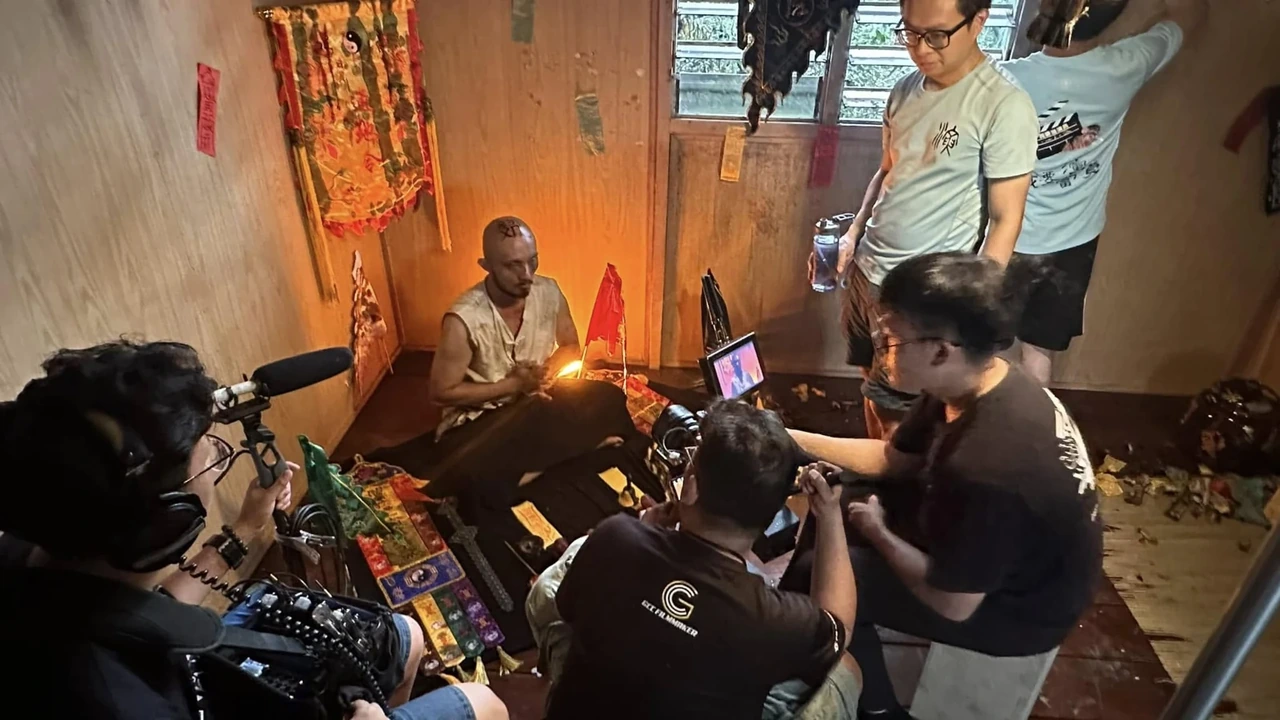
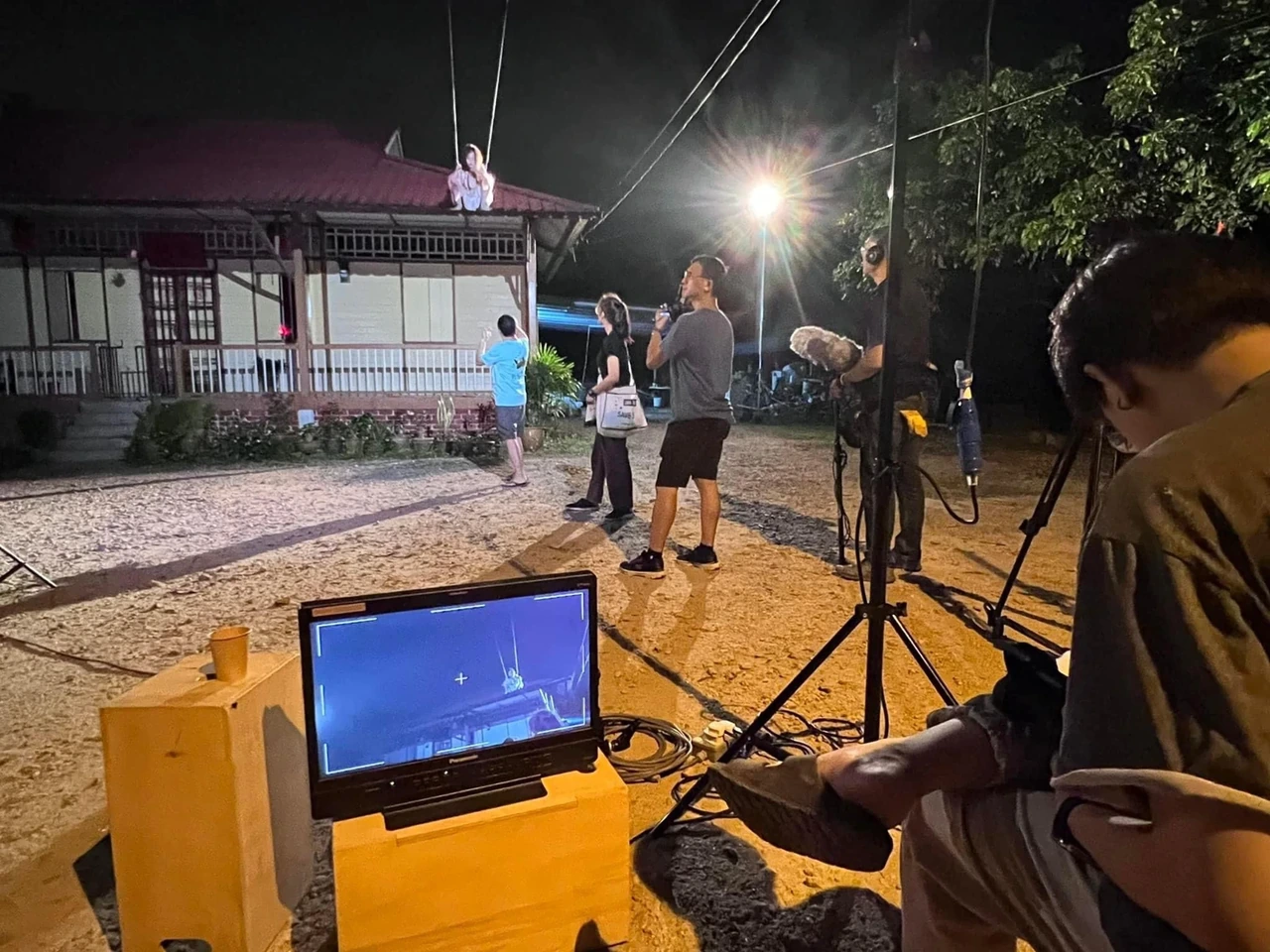
Real filming puts classroom character work and rehearsed actions to the test. Students sustain believable reactions while following blocking, continuity and the director’s instructions, shaping performances that serve the story and the camera.
Night exteriors and interior setups require coordination with camera, lighting, sound and the production team. Working with the pace and organisation of a set helps students understand how a scene depends on both acting and shared execution.
Participants across age groups reflect the diverse characters screen stories require. Older learners also practise and refine their work on set, bringing life experience into their roles while developing screen performance and collaboration.
Real production · Diverse roles · Continued growth
ON-SET PRACTICE
FEATURED TRAINING VIDEO
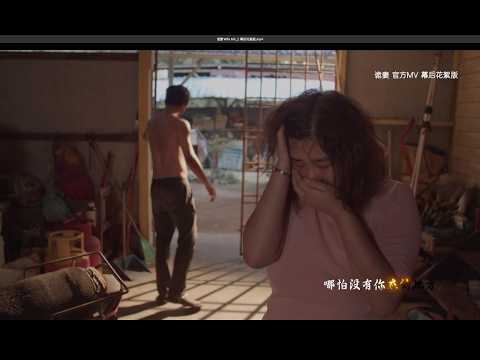
Screen Acting: Emotion, Subtext & InteractionWatch a record of students’ on-camera training, exploring the connections between emotion, subtext and character interaction.Watch on YouTube (opens a new tab) ↗TRAINING → ON SET
This scene requires the actor to write while suspended upside down. Before filming, the student rehearses the inverted position to adapt to changes in balance, breathing and hand control, learning to complete the character’s task under physical discomfort. The aim is not simply to repeat an action, but to integrate physical control, timing and character work before entering the set, supporting safer, steadier and more efficient filming.
Rehearsal helps the actor adapt to changes in balance, breathing and hand control, and learn to complete the character’s task while physically inverted.
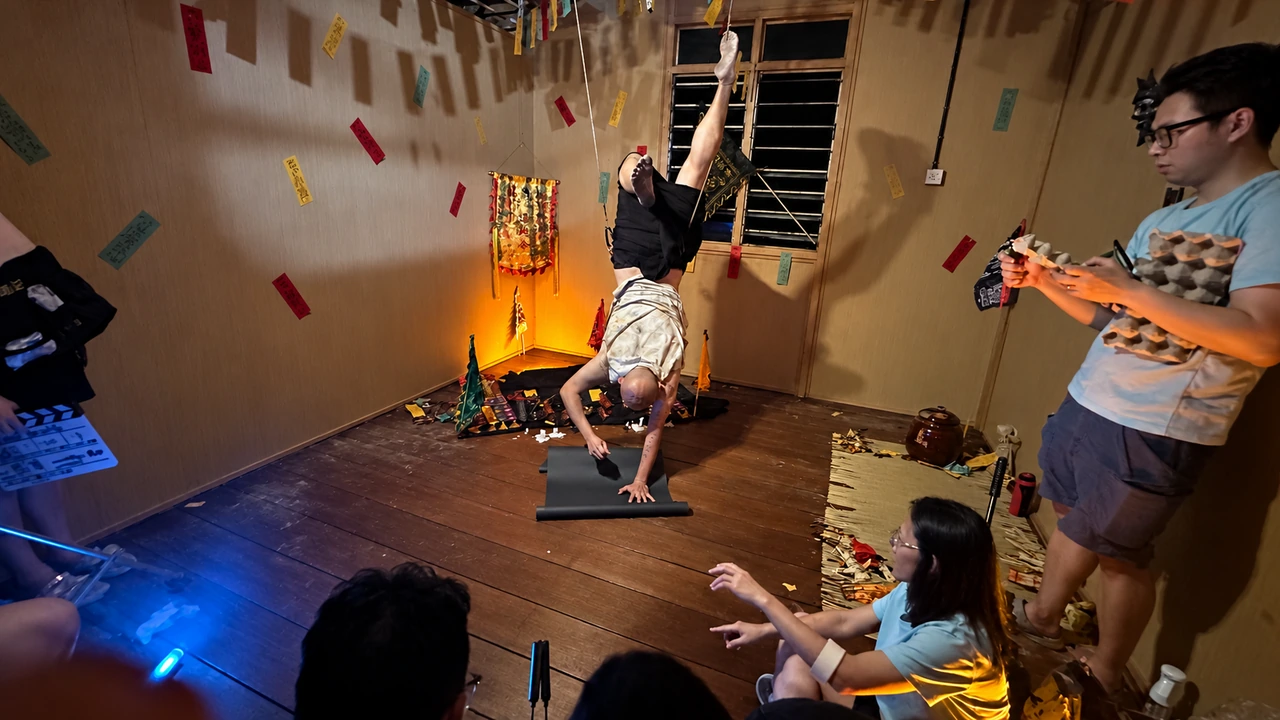
On set, prior physical adaptation, action control and timing are carried into the demands of camera, lighting and production, allowing the scene to be completed safely while sustaining character.
05 LEARNING STEP
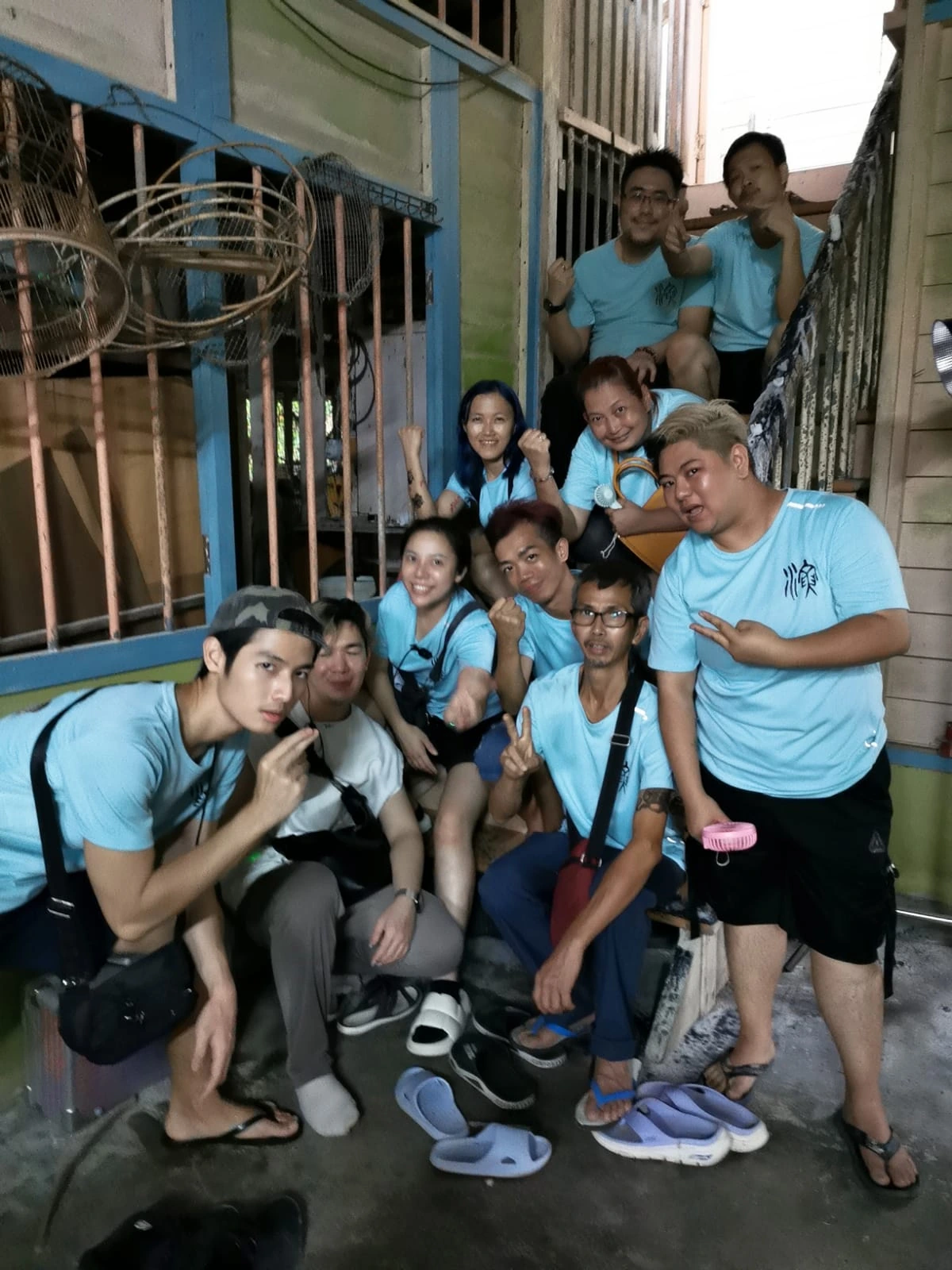
Completing a production depends on sustained, detailed collaboration across camera, lighting, sound, floor operations, makeup and other behind-the-scenes departments. An actor’s ability to portray a character on screen and be seen by an audience relies on extensive preparation by the whole team and close coordination on set. Less-experienced actors may need repeated adjustments to blocking, timing, performance state or continuity. When a take is marked NG and must be repeated, the camera, lighting, sound and on-set departments often need to coordinate again and wait again. Students therefore learn that the time, patience and opportunities to try again offered by a crew are themselves expressions of professional collaboration and support. Through participation in and observation of real production workflows, students learn to respect each department’s expertise and labour, understand crew procedures, communication and the boundaries of responsibility, and arrive on set with humility, punctuality, preparation and a willingness to adjust. This understanding helps actors value the opportunities provided by the team, build dependable working relationships with the crew and make their individual performances serve the production as a whole.
Respect for expertise · Workflow understanding · Teamwork
BODY / FOCUS / TEAMWORK
Targeted preparation develops familiarity with movement, physical control and on-set coordination before performing on camera.
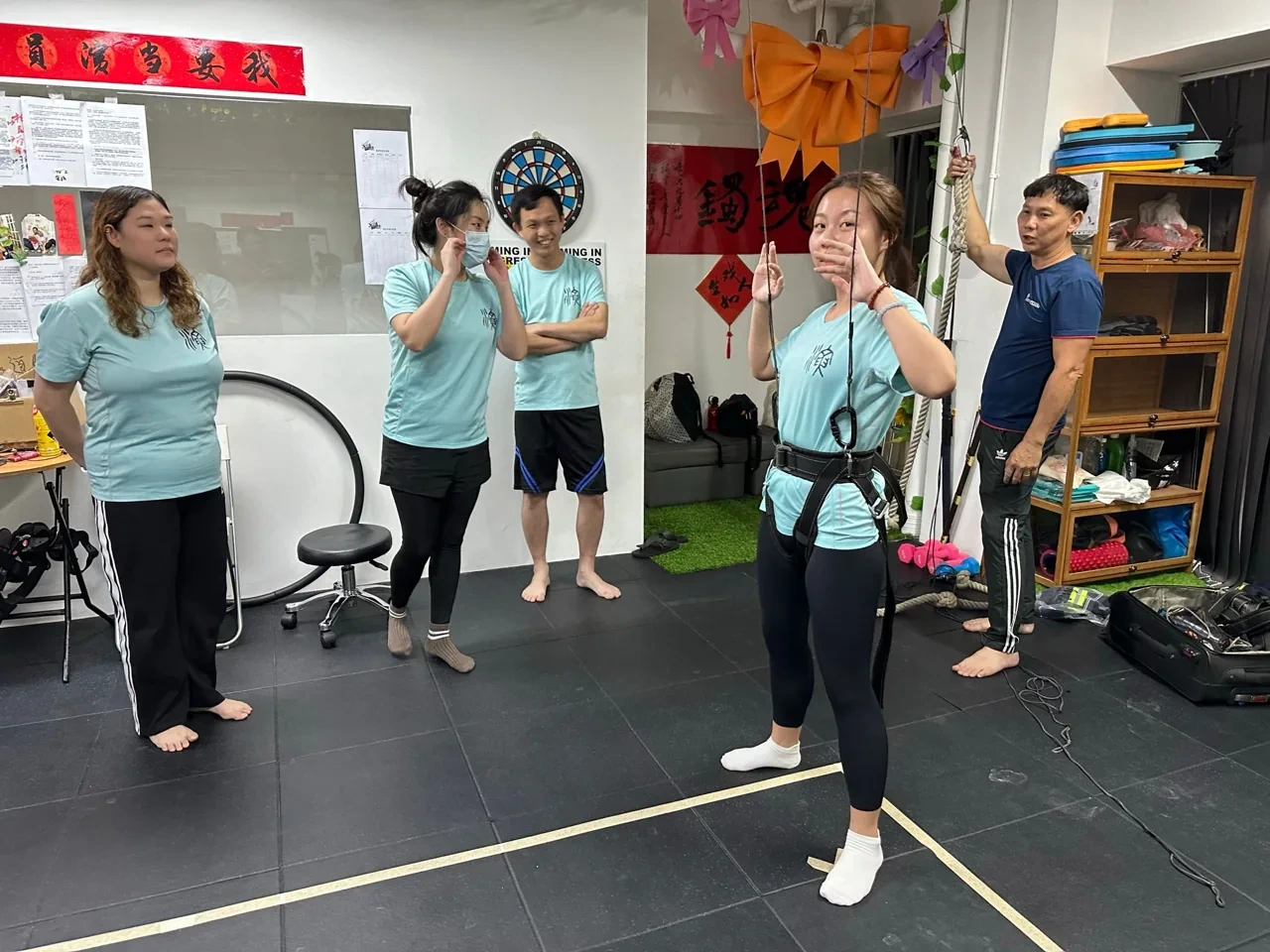
For film and television stunt work, including demanding wire-work and action scenes, students do not wait until the shoot to try the movement for the first time. Preparation develops core strength, body control, spatial awareness and familiarity with suspension points, alongside familiarity with stunt equipment and teamwork. On set, actors must also respond to safety instructions, camera position, lighting, blocking and character state, often in hot or confined interiors. The aim is to develop performers who can handle nuanced dramatic work as well as prepared physical action, with both performance and movement grounded in training and safety awareness.
IFCA / TALENT DEVELOPMENT
Understand the role—and the expertise behind every frame.
Explore Courses & Registration ↗Return to IFCA Training ↗