Our Films

THE JADE
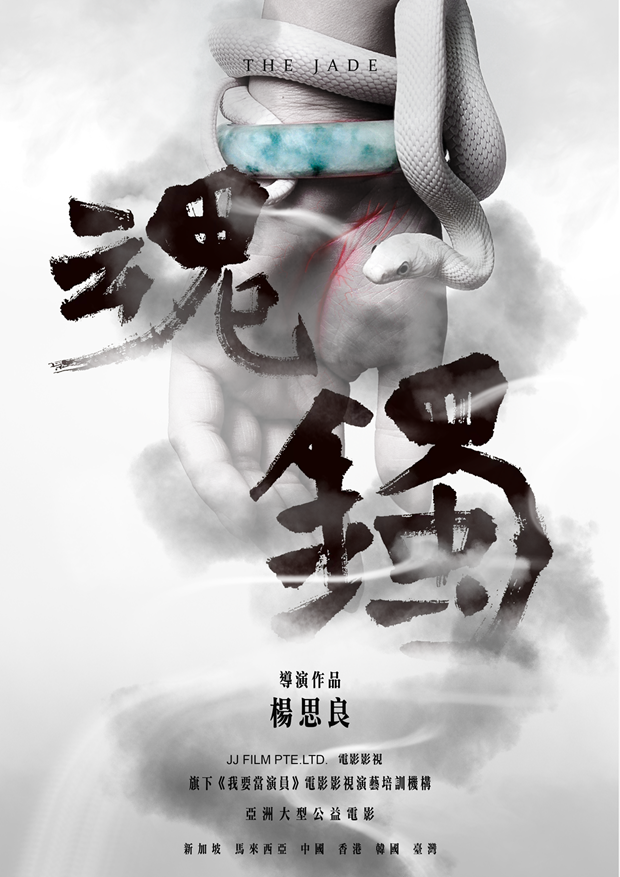
Official Film Poster
Creative Team
Director: Yeo Sze Liang
Producer: JJFILM PTE. LTD.
Production Company: JJFILM PTE. LTD.
Co-Production: Singapore–Malaysia Cross-Border Production Team
Actor Training & Talent Development: IFCA (JJFILM Institute of Film & Cinematic Arts)
Film Information
Genre:
Historical Drama / Romance Tragedy / Psychological Drama
Language: Mandarin, Baba Malay & Chinese Dialects
Duration: Approximately 90 Minutes
Country / Region: Singapore & Malaysia
Filming Locations: Malacca, Johor & Singapore
Themes
• Women’s Freedom and Choice
• Love and Obsession
• Fate and Social Expectations
• Peranakan Heritage and Nanyang Culture
• Family Honour and Patriarchal Tradition
• Memory, Loss and Redemption
Synopsis
The Jade is a cross-border social impact film that unfolds through dual timelines set in the early 20th century and the present day.
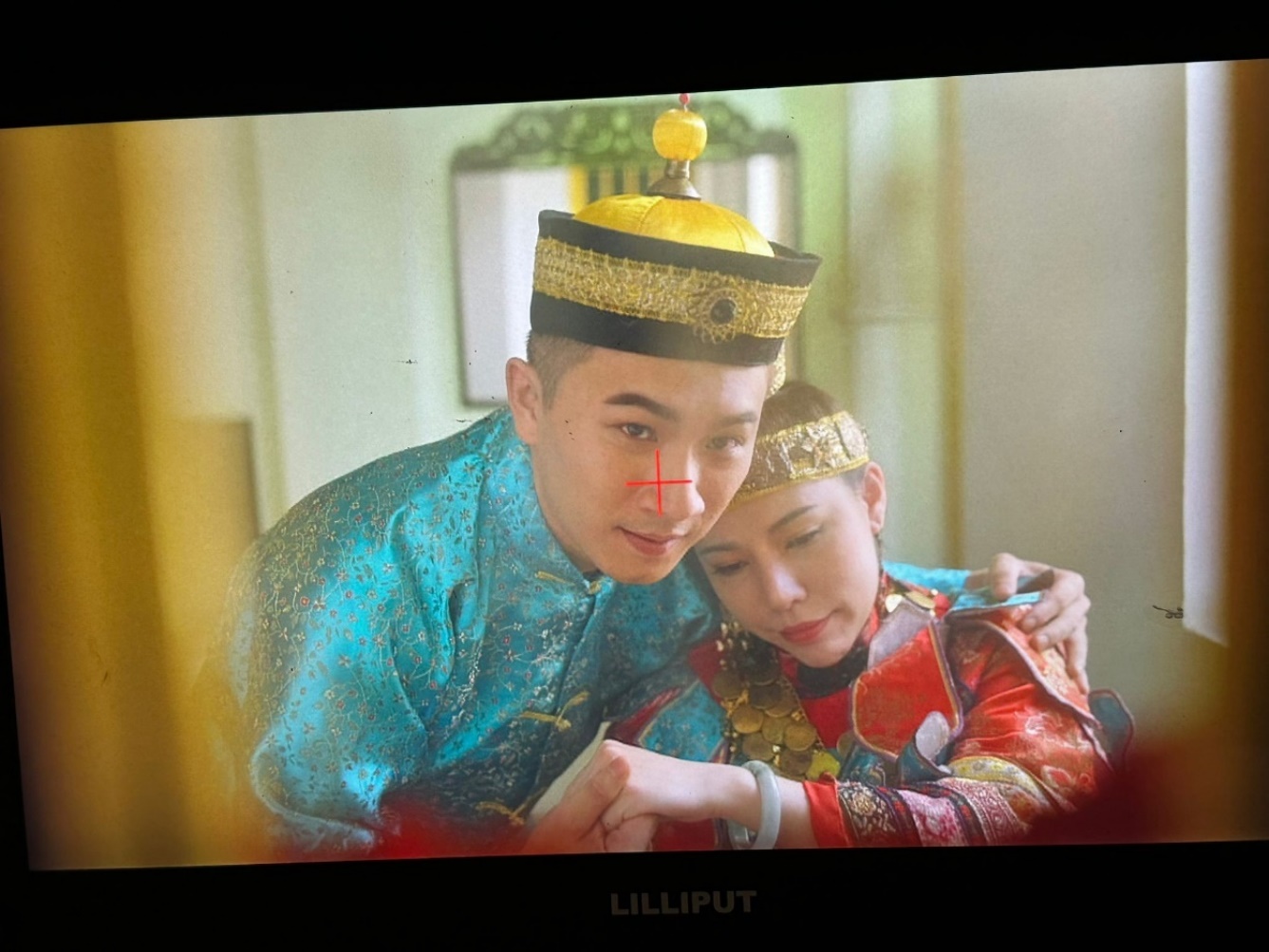
It tells the tragic story of a Nyonya woman caught between the constraints of an arranged marriage and her pursuit of emotional freedom.
Centered on themes of love, obsession, and time, the film explores how unresolved emotions echo across generations, reflecting the tension between individual will and societal expectations.
Approximately 80% of the narrative is set in the early 1900s within the Peranakan community, while the remaining portion takes place in a contemporary setting, allowing past emotions to resonate in the present.
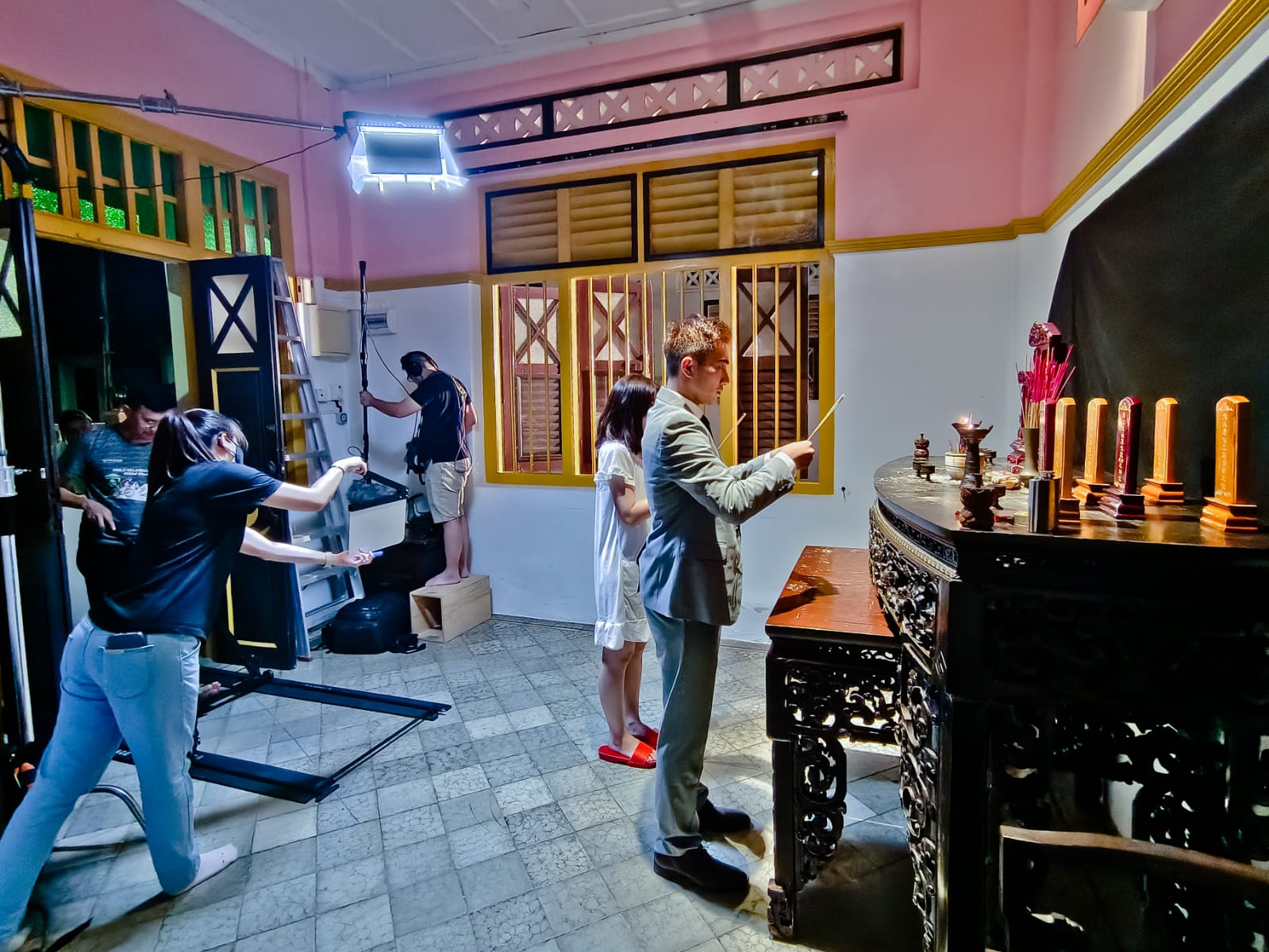
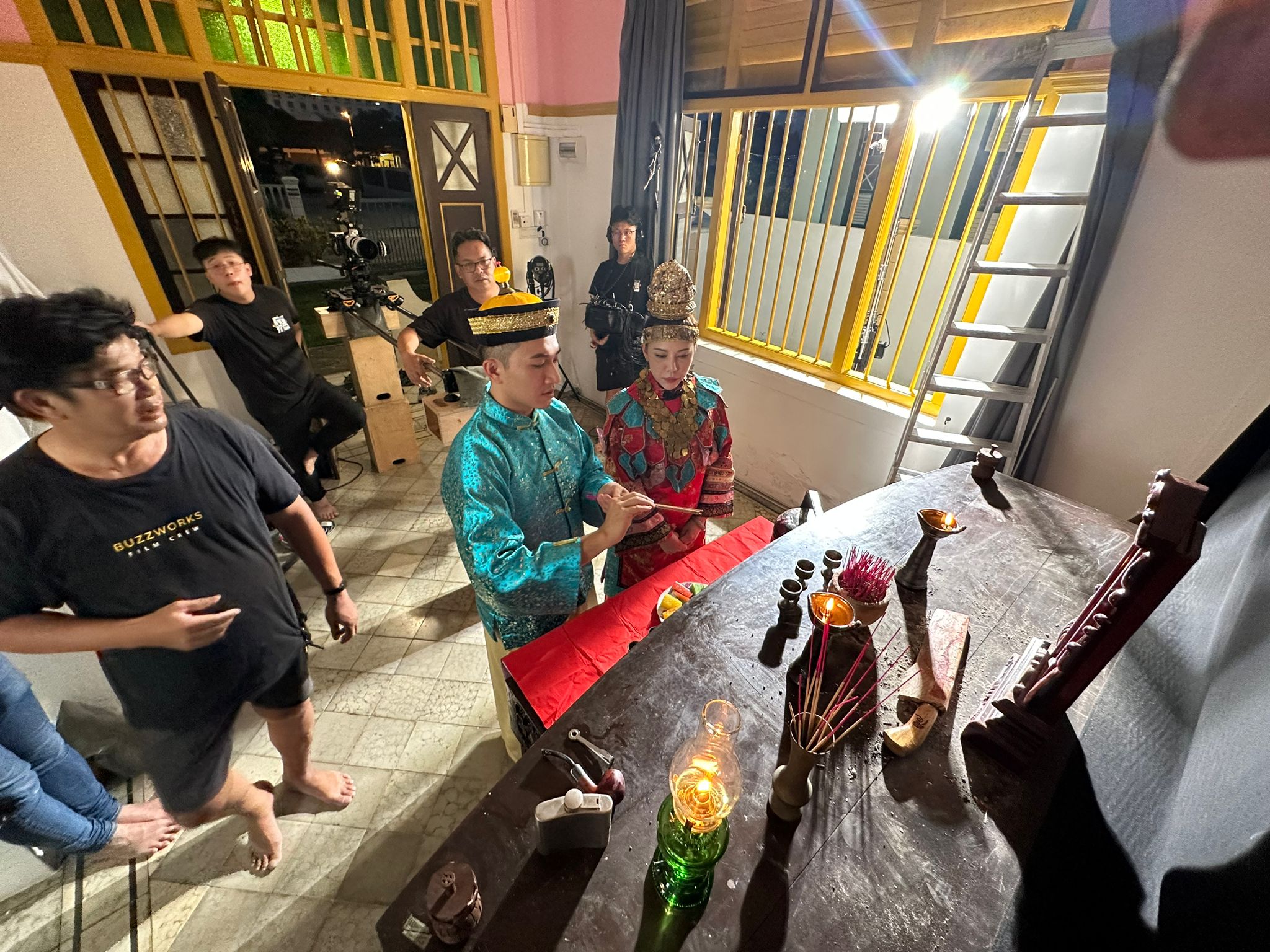
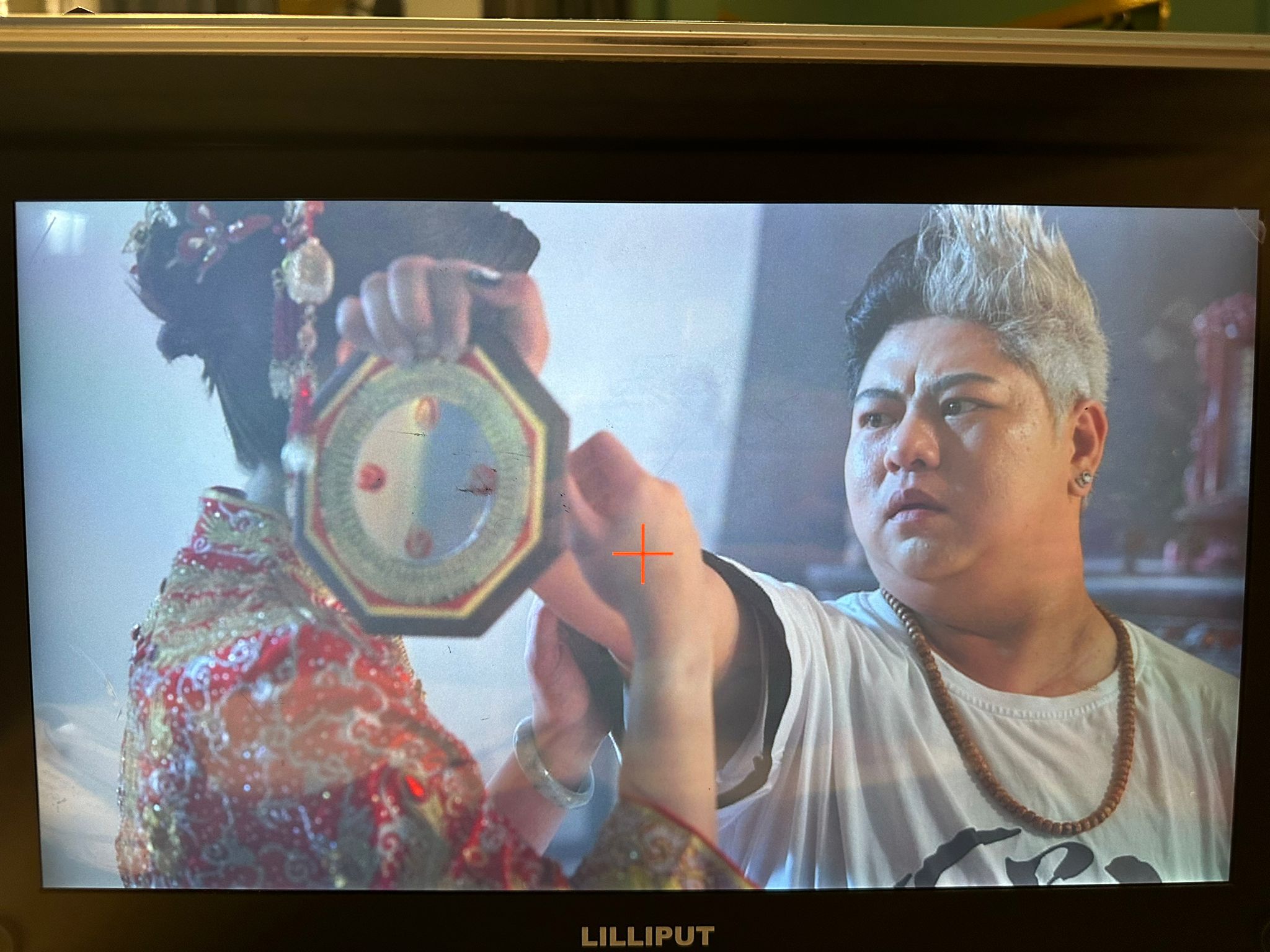
Filmed on location in Malacca, Malaysia, with additional scenes shot in Singapore, the film utilises preserved heritage architecture to authentically recreate the cultural and historical landscape of the Chinese diaspora in Southeast Asia.
Cultural Significance
The film reconstructs the historical settings of Singapore and Malacca, highlighting the richness of Peranakan culture and early Chinese diaspora society.
It offers a nuanced exploration of women’s roles within traditional structures, encouraging reflection on cultural heritage, gender dynamics, and social expectations.
Nyonya Art, Culture & Dialogue Design
Art Direction & Cultural Context
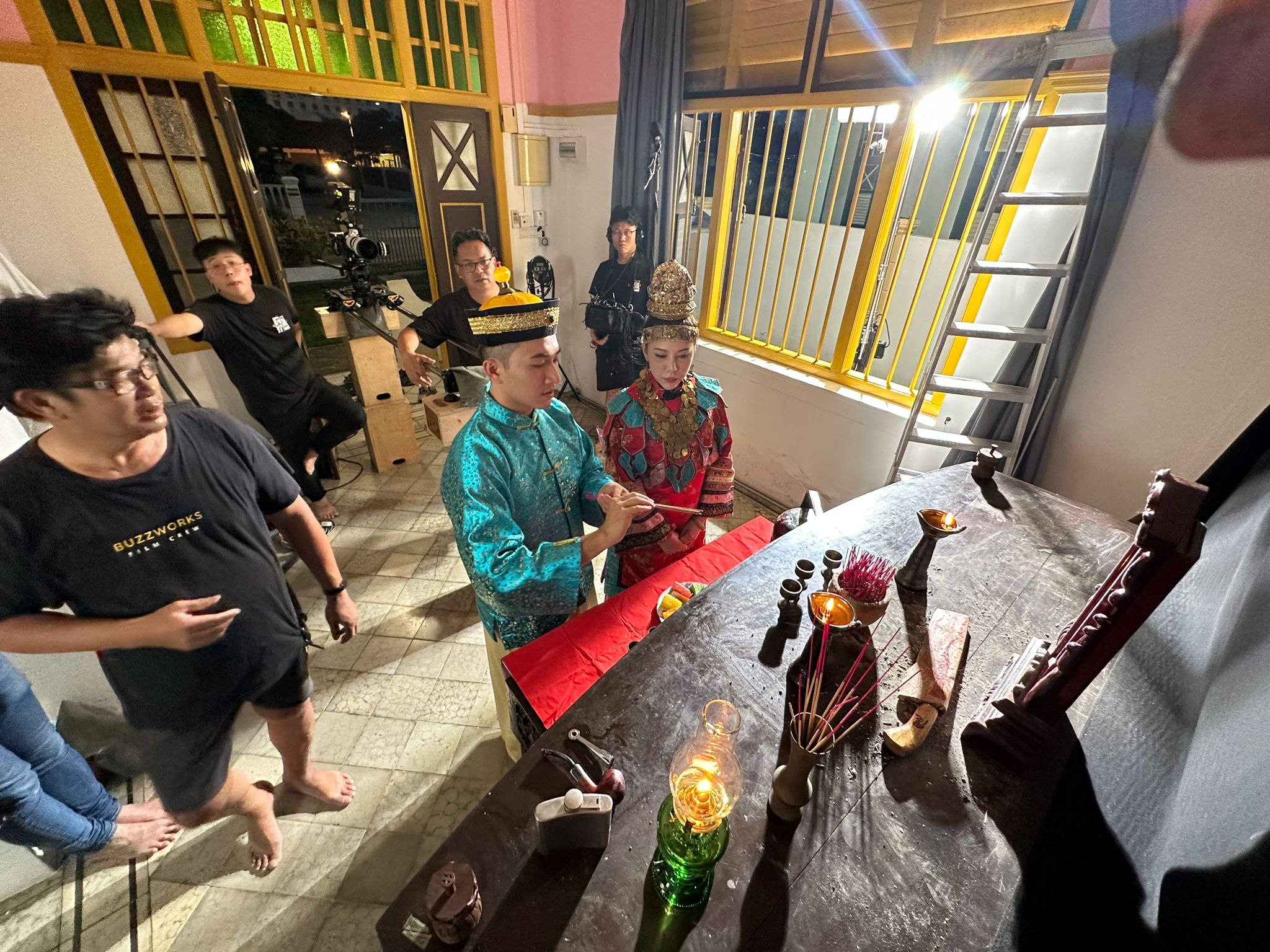
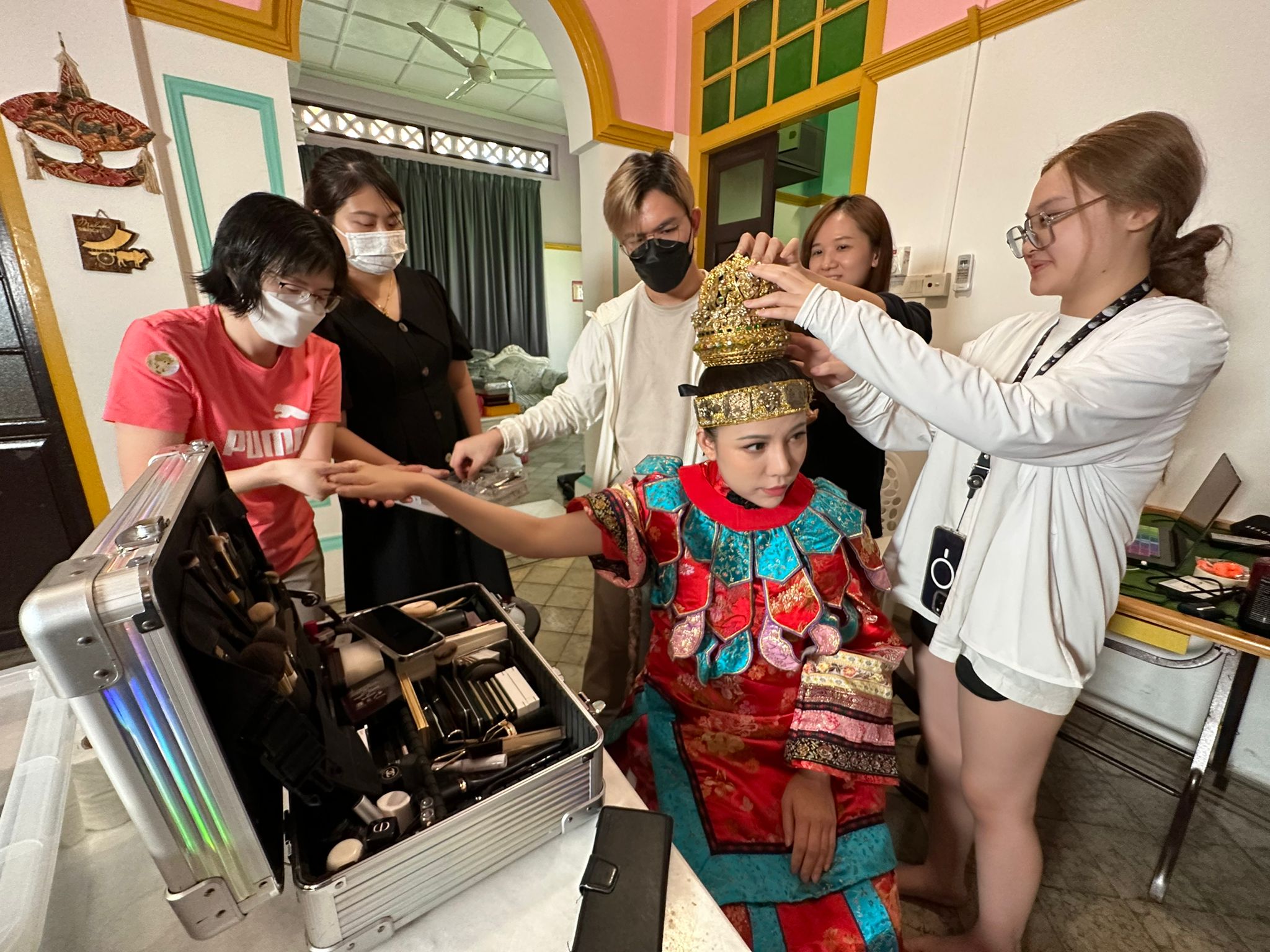
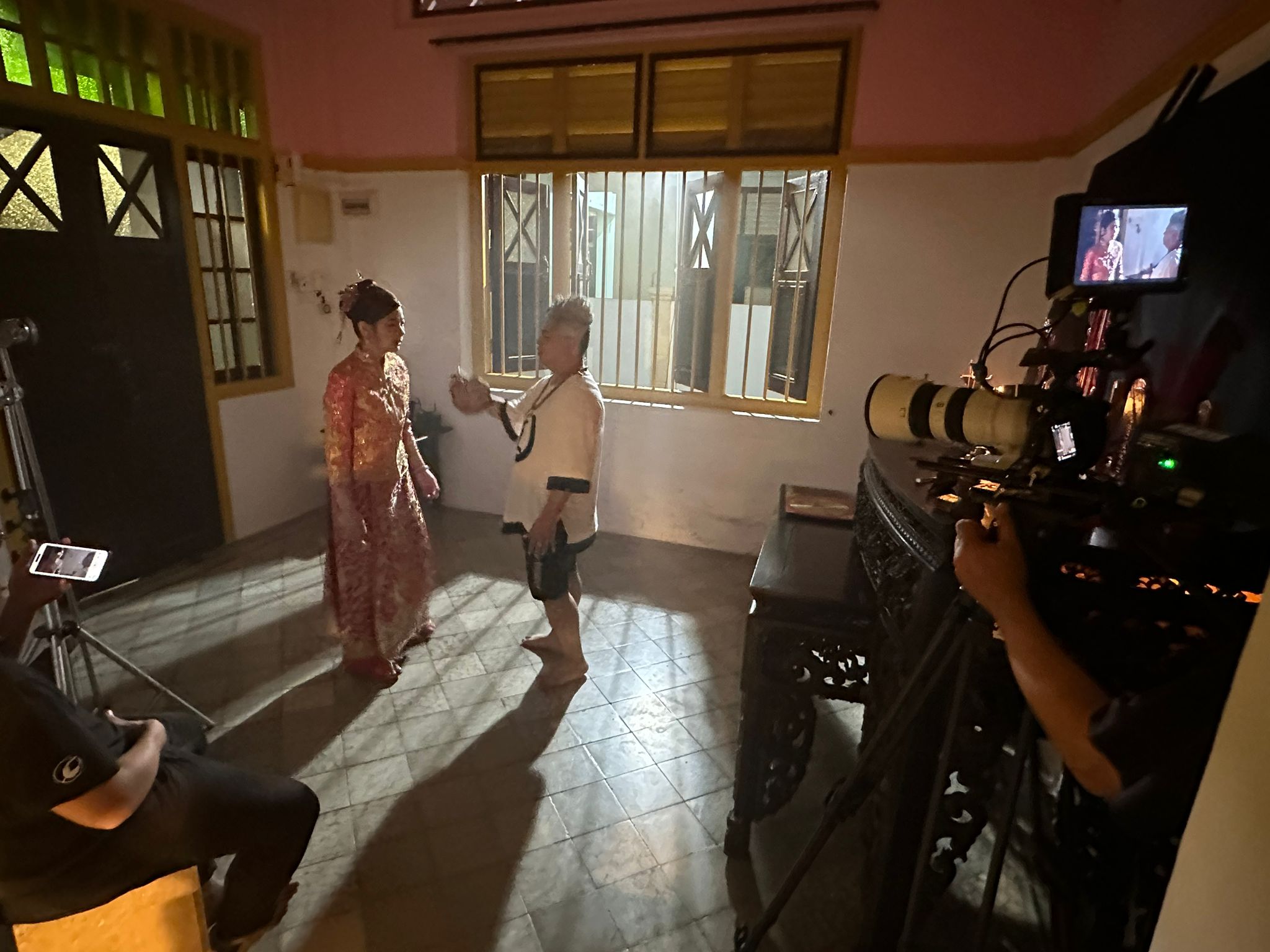
The film was primarily shot in Singapore, utilising preserved Peranakan architecture and early 20th-century heritage buildings as principal locations to authentically recreate the spatial and cultural environment of the Chinese diaspora in Southeast Asia.
Additional key scenes were filmed in Malacca’s historic sites and traditional Peranakan residences, enriching the film’s visual depth and historical resonance across regions.
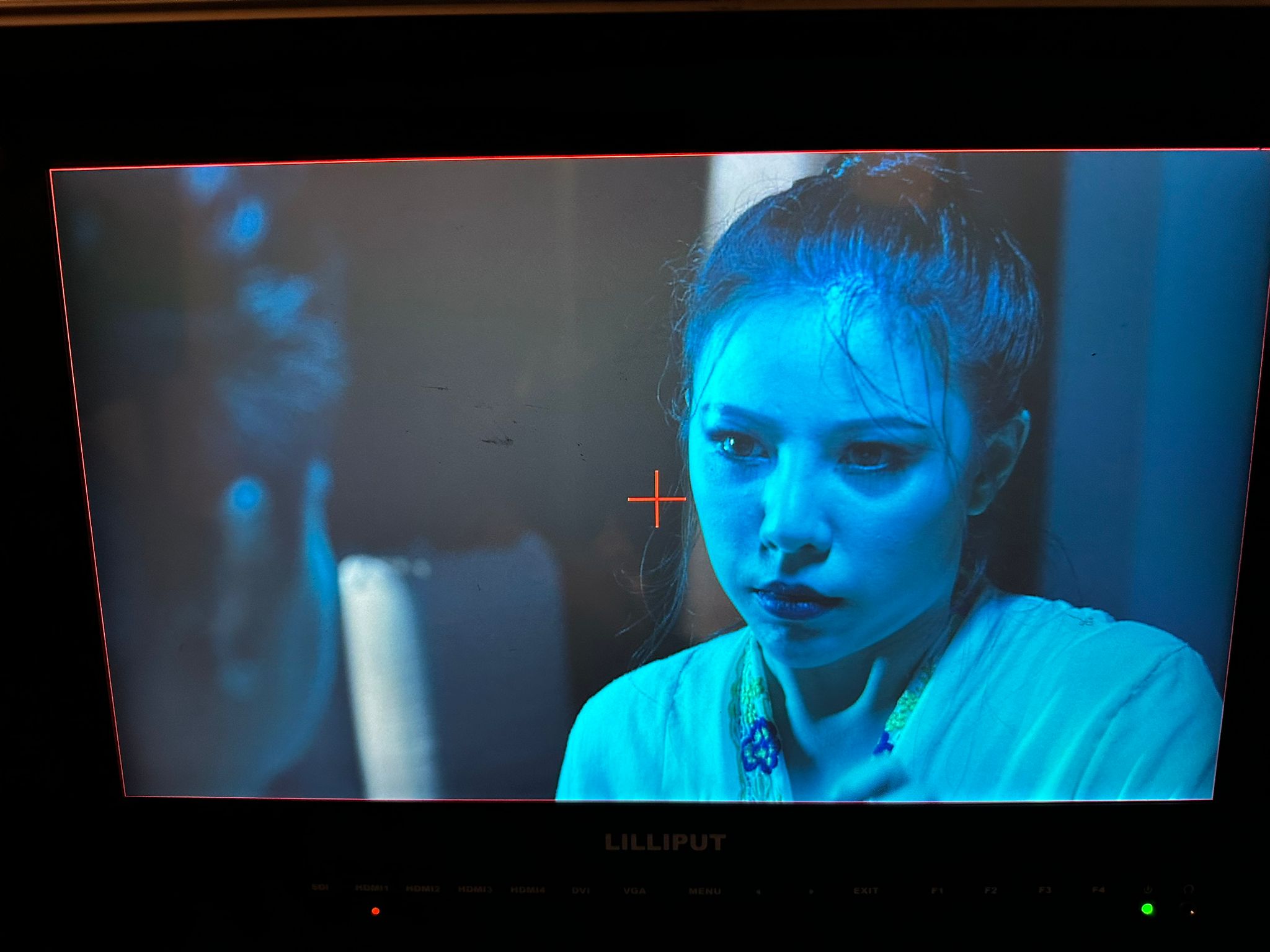
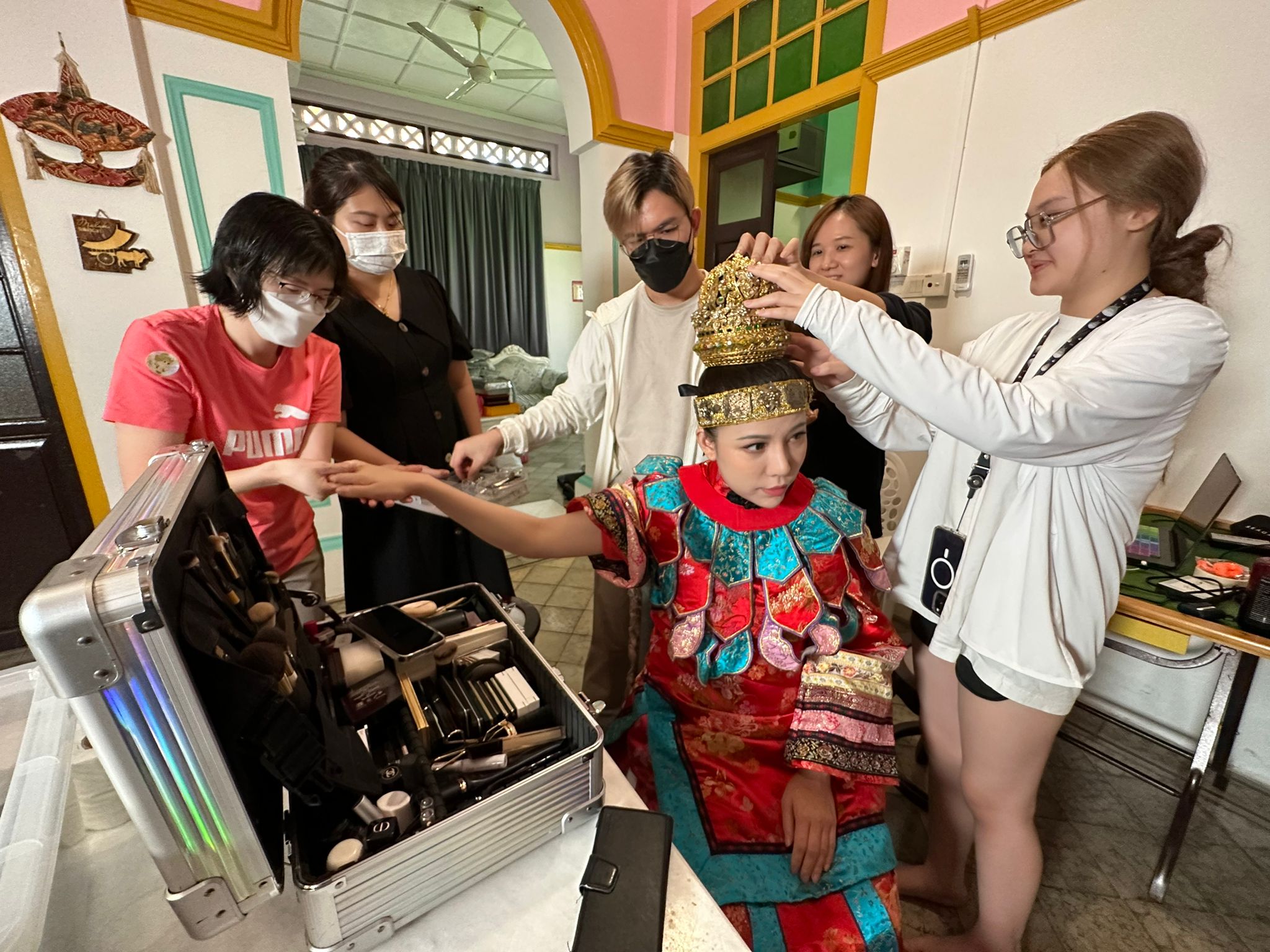
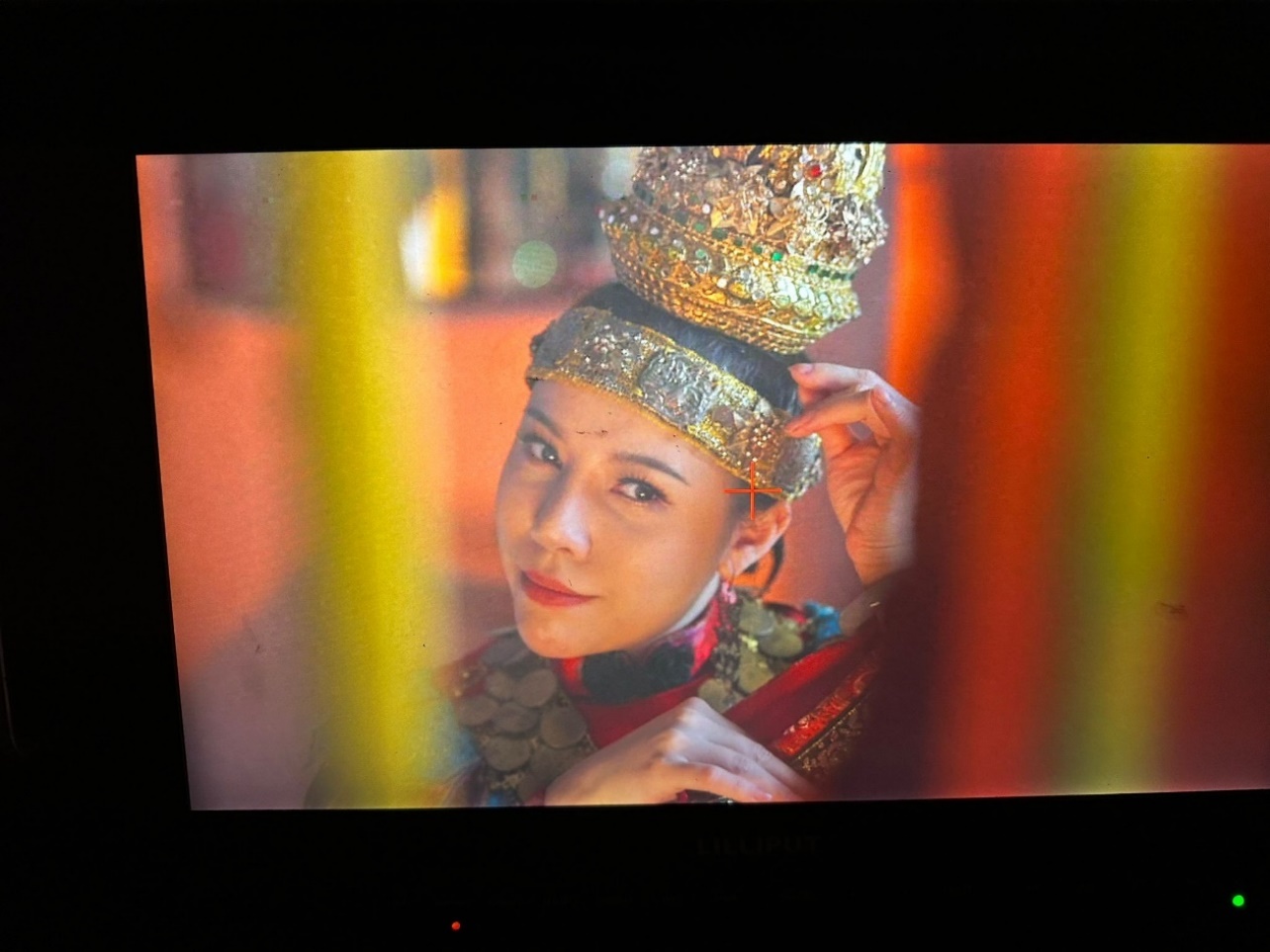
The art direction integrates architectural settings, wedding customs, costumes, and social rituals, constructing a visually grounded world that reflects the cultural identity and lived experiences of the overseas Chinese community.
On a narrative level, dialogue and performance are carefully shaped in alignment with the historical context, enhancing authenticity and emotional immersion.
Director's Statement
The Jade did not begin as a love story, but as a question about choice.
Within traditional social structures, women are often assigned roles and destinies that leave little room for personal agency. Through this film, I seek to explore the cost of resisting those constraints.
The dual narrative, set across the early 20th century and the present day, is not merely a contrast of time, but a way to allow unresolved emotions to echo across generations.
Rather than focusing solely on reincarnation, the film centres on obsession. It explores the idea that some individuals move on, while others remain trapped by what they cannot let go of.
In this sense, what persists across time is not life itself, but emotional attachment. The character does not simply return. He endures, bound by what he cannot release.
For me, what transcends a century is not existence, but a single unresolved thought. An attachment that refuses to fade.
At its core, the film asks:
When a person cannot let go, have they already lost the ability to move forward?
Through its visual and cultural design, the film returns to the Peranakan world, reconstructing a space shaped by architecture, costume, and ritual, allowing audiences not only to witness the story, but to experience its environment.
Ultimately, this film is both a creative work and a response to voices often overlooked within social structures. It is also a reminder that:
“Hatred devours reason, while true love awakens even the most lost soul. In a single thought lies the worth of an entire life.”
THE WIFE
Synopsis
The Wife is a social-impact psychological drama that explores the hidden wounds of family violence, emotional trauma, and social neglect through two interconnected storylines.
The first follows a young woman who leaves her hometown in search of love and a new future, only to find herself trapped in an abusive marriage. Living in fear, isolation, and emotional turmoil, she struggles to reclaim her dignity and identity while searching for a path toward freedom and healing.
The second follows Pei Pei, a teenage girl growing up in a single-parent family. Facing financial hardship, family responsibilities, and the challenges of adolescence, she learns to navigate loss, resilience, and self-discovery through the support of her mother, community, and cultural traditions.
Together, these two journeys reflect the realities faced by many women and young people in society. Through their stories, The Wife explores themes of domestic violence, family relationships, women’s empowerment, psychological healing, and the importance of community support.
More than a film, The Wife is a social-impact project that encourages awareness, dialogue, and compassion for those living behind closed doors.
Creative Team
Director: Yeo Sze Liang
Producer: JJFILM PTE. LTD.
Production Company: JJFILM PTE. LTD.
Co-Production: Singapore–Malaysia Cross-Border Production Team
Actor Training & Talent Development:
IFCA (JJFILM Institute of Film & Cinematic Arts)
Film Information
Genre: Social Drama / Psychological Thriller / Family Drama
Language: Mandarin & Dialects
Duration: Approximately 90 Minutes
Country / Region: Singapore & Malaysia
Filming Locations: Singapore, Johor & Kukup
Themes
• Domestic Violence
• Women’s Empowerment
• Psychological Trauma
• Social Responsibility
• Love and Control
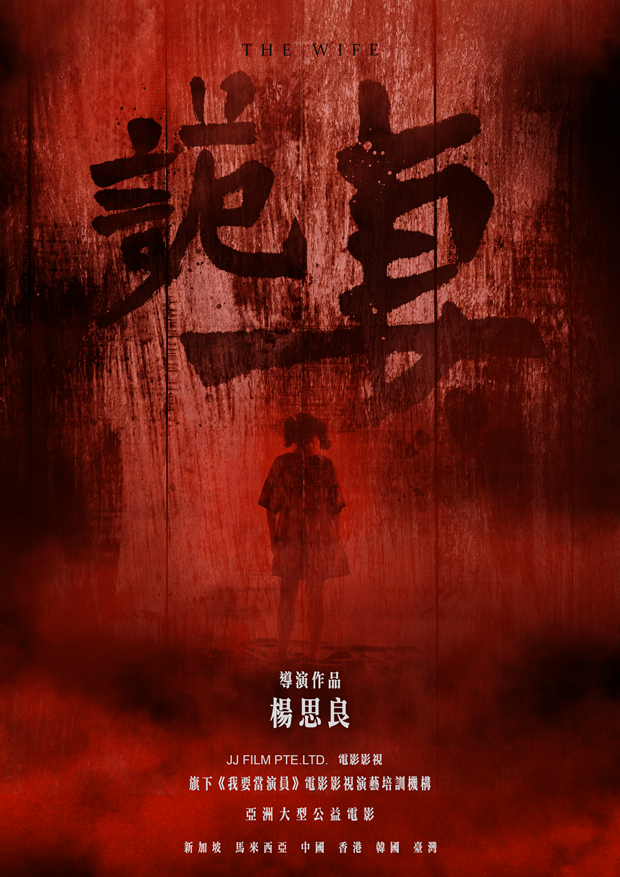
Official Film Poster
Social Issues
Cycles of domestic abuse and silence, women’s dignity and empowerment, and cinema as a
medium for social education and dialogue.
Psychological Horror & Human Nature
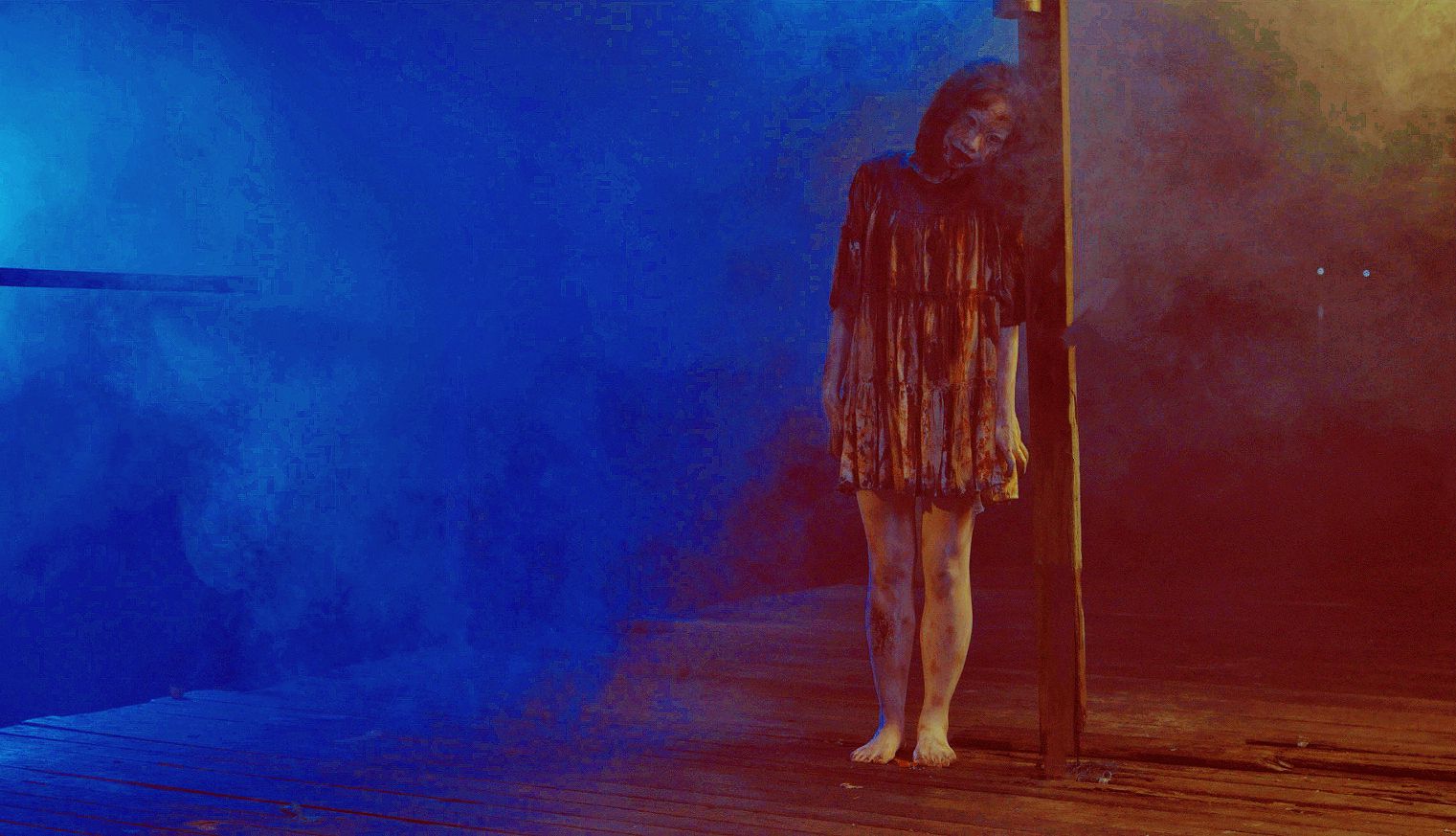
The Wife is not a story about ghosts or supernatural forces. Instead, it explores the darker dimensions of human nature and the psychological consequences of trauma, repression, and emotional collapse.
The narrative unfolds through two interconnected storylines.
One follows a woman who leaves her homeland in pursuit of love, only to become trapped in a cycle of domestic abuse, emotional control, and silent suffering that gradually erodes her sense of self.
The other centres on a single mother struggling to survive life’s hardships. After her passing, her daughter is left alone to confront grief, abandonment, and the weight of reality. Standing at the edge of despair, she faces a defining choice between surrender and survival, forcing her to confront the truth about herself and her circumstances.
Although these journeys appear separate, they gradually converge, revealing a shared emotional core. Both stories examine what happens when individuals are pushed beyond their limits and can no longer avoid the truths they have buried within.
Through its characters and their choices under extreme circumstances, the film suggests that the most terrifying forces do not come from the outside world, but from unresolved guilt, fear, trauma, and emotional wounds.
Rather than explaining the supernatural, The Wife focuses on how people confront, or fail to confront, the consequences of their own actions and emotions.
When a person cannot face themselves, fear is born from within.
Ultimately, the film poses a disturbing question:
Is human nature itself the most terrifying force of all?
Singapore Urban & Overseas Chinese Rural Imagery
Cultural Memory & Spatial Preservation
The film is set across both urban Singapore and the rural landscapes of the Southern Malaysian coast, creating a visual contrast between modern city life and traditional overseas Chinese communities.
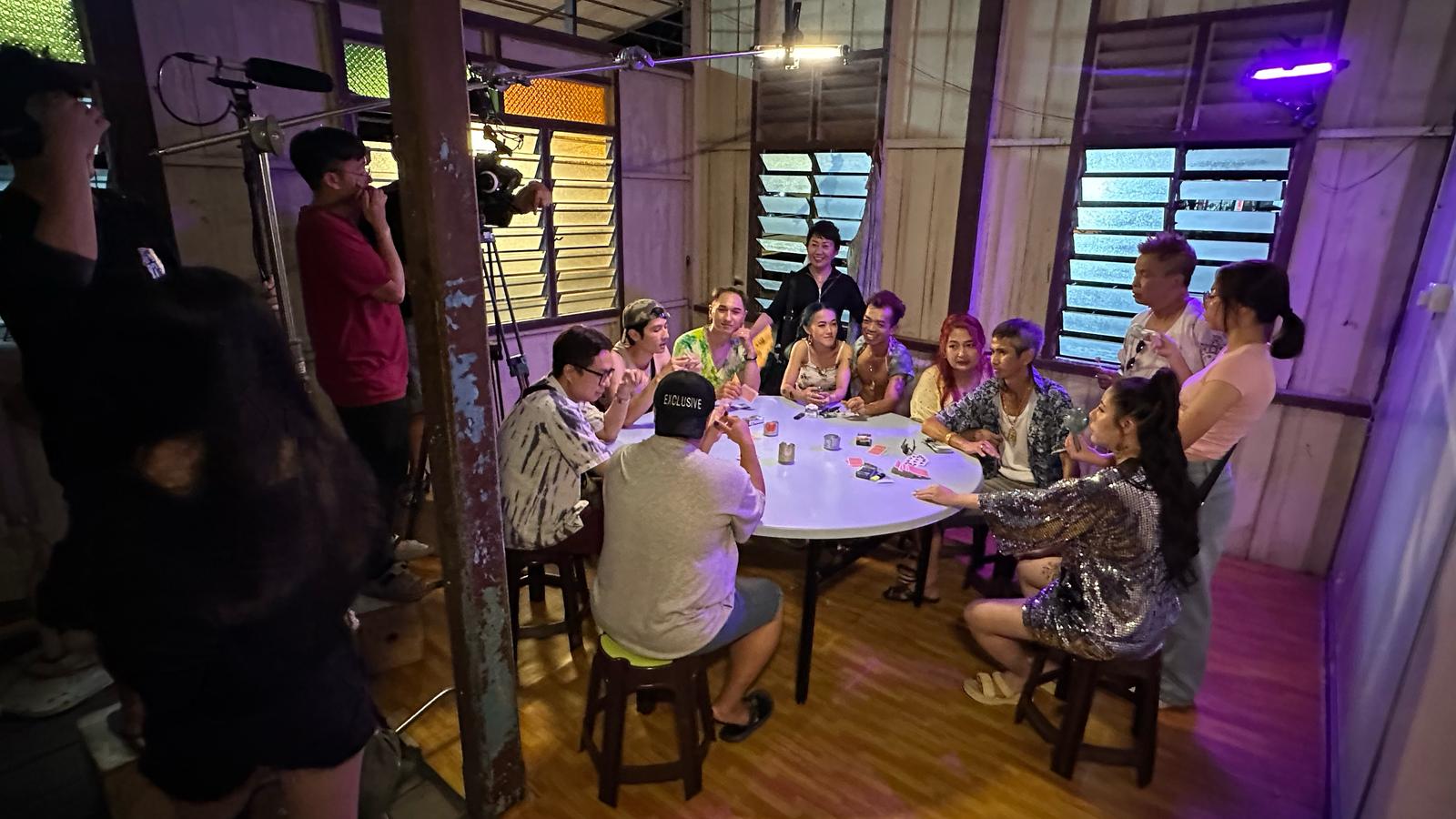
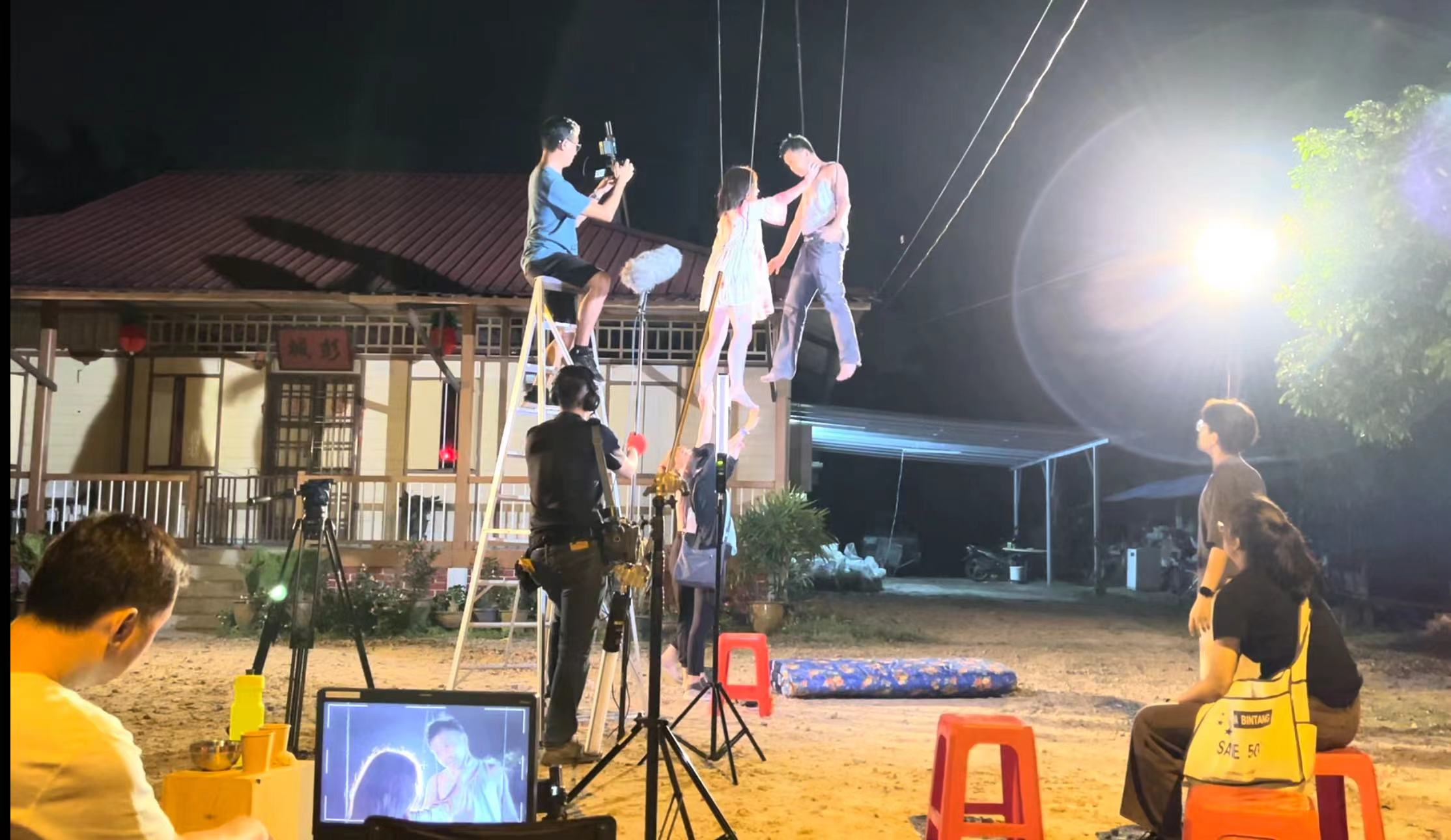
While part of the narrative unfolds within Singapore’s contemporary urban environment, key sequences are filmed in Kukup, Johor, Malaysia, a historic fishing village known for its wooden stilt houses and long-standing Chinese settlement culture.
These lived-in spaces embody generations of memory, heritage, and everyday experience. As traditional villages gradually disappear under the pressures of modernisation, the film serves as a visual record of a way of life that may no longer exist within the next one or two generations.
Through its cinematography and production design, the film preserves these disappearing cultural landscapes, capturing not only physical environments but also the emotional and historical connections embedded within them.
Beyond their narrative function, these locations stand as quiet witnesses to cultural transition, migration, and loss, reflecting the changing identity of overseas Chinese communities across Southeast Asia.
The film therefore becomes both a story and a form of cultural preservation, documenting spaces, memories, and traditions that continue to shape the collective heritage of the region.
Language & Cultural Realism
Multilingual Expression & Cultural Continuity
The film embraces the linguistic diversity of Southeast Asia, presenting language not merely as a tool of communication, but as an essential expression of culture, identity, and lived experience.
Within the Singapore segments, characters naturally move between English, Mandarin, Chinese dialects, and Malay, reflecting the multilingual realities of contemporary urban life and the cultural intersections that define the region.
In contrast, scenes set in Kukup, Johor preserve the speech patterns, dialects, and rhythms of traditional overseas Chinese rural communities, capturing forms of expression that are increasingly rare in modern society.
Through these contrasting environments, language becomes a living record of cultural memory, reflecting generational differences, migration histories, and evolving social identities.
The film treats linguistic authenticity as a core element of world-building, allowing audiences to experience the emotional texture of each community through its unique way of speaking and interacting.
By preserving both contemporary multilingual culture and traditional vernacular heritage, the film contributes to a broader documentation of Southeast Asia’s cultural diversity, ensuring that these voices remain visible for future generations.
Ultimately, language serves as a bridge between past and present, strengthening the film’s realism while deepening its exploration of identity, belonging, and cultural continuity.
Director's Statement
The Wife did not begin with ghosts, supernatural forces, or horror. It began with a question about human nature.
In reality, what often frightens us most is not the unknown, but the pain that exists within ordinary human relationships. Domestic abuse, emotional control, silence, avoidance, and unresolved trauma rarely emerge overnight. They develop gradually through patterns that become normalised, tolerated, or left unspoken.
Through this film, I seek to explore two seemingly separate yet deeply connected human experiences.
One follows a woman trapped within a cycle of violence, emotional dependence, and control, struggling to reclaim her sense of self.
The other follows a young woman confronted by loss, grief, and isolation, forced to decide whether she will continue living or surrender to despair.
Although these stories unfold along different paths, they ultimately lead to the same question:
What happens when a person can no longer face reality, and can no longer face themselves?
The Wife approaches horror not through supernatural explanations, but through psychological experience. The film moves between memory, perception, and emotional reality, drawing audiences into the inner worlds of its characters.
The fear within this story does not originate from external forces.
It emerges from guilt that remains unresolved, trauma that remains unhealed, and emotions that refuse to disappear.
At its core, this is not a film about horror.
It is a film about human beings.
It is about how people respond to suffering, how they carry emotional wounds across time, and whether they possess the courage to confront the truths they have spent years avoiding.
Ultimately, the film asks:
When confronted by trauma, loss, and choice, do we turn away from ourselves, or do we find the courage to face the truth and continue living?
Upcoming Overseas Development Content
Period Film in Development
The Cross-Border Film Project is currently in the development and cultural research phase, led by JJFILM PTE. LTD. in collaboration with regional partners.
Built upon Asia’s diverse cultures, histories, and social narratives, the project aims to develop original film works with both regional identity and international appeal through cross-border collaboration, location research, and cultural exchange.
The directing team has conducted on-site location scouting and cultural research in Indonesia, gaining valuable insights into local heritage, traditions, and community life to support future screenplay development, visual design, and film production planning.
The project will continue to expand collaborations across Singapore, Malaysia, Indonesia, and other parts of Asia, fostering cross-cultural storytelling and regional talent development.

Location Scouting in Indonesia
Creative Team
Director: Yeo Sze Liang
Production Company: JJFILM PTE. LTD.
Co-Production: Singapore × Malaysia × Indonesia Collaborative Team
Project Status: Development & Cultural Research Phase
Gallery